View Topics
Texas summers are intense – and for people with neurological conditions, that intensity isn’t just uncomfortable. It can directly affect the nervous system’s function. The relationship between weather and neurological conditions is well-documented in medical research, and heat is among the most significant factors involved. Elevated temperatures disrupt nerve signaling, alter blood circulation, and push…
Numbness, tingling, and pain in the hand are symptoms that a lot of people deal with – and most assume they know the cause. Carpal tunnel syndrome is well-known enough that it often becomes the default explanation anytime the hands feel off. But the reality is more complicated. Not all hand and wrist symptoms come…
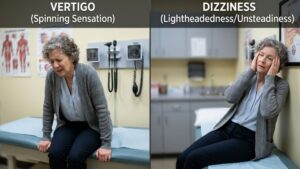
Most people have felt dizzy at some point – stood up too fast, skipped a meal, or turned their head quickly and felt the world tilt for a moment. Usually, it passes in seconds and doesn’t happen again. But for many people, dizziness isn’t a one-time event. It comes back. It gets worse. It starts…
Most people have experienced that odd, pins-and-needles feeling at some point – usually after sitting in an awkward position for too long or sleeping on an arm the wrong way. It passes in a minute or two, and you don’t think twice about it. But what happens when it doesn’t pass? What if numbness in…
Diabetes is one of the most common chronic conditions in the country – and one of its most serious complications often goes unnoticed until it’s already causing real problems. Peripheral neuropathy in diabetes is a complication. It develops when chronically elevated blood sugar damages the nerve fibers that run throughout the body, and it affects…
Almost everyone gets headaches. Most of the time, they’re manageable – you drink some water, rest for a bit, and move on. But for people who deal with migraines, the experience is completely different. The problem is that migraine vs. headache confusion is genuinely common, and it matters more than people realize. Treating a migraine…
Most people know that stress is bad for their health in general. But for people with epilepsy, stress isn’t just uncomfortable – it can directly increase the likelihood of having a seizure. The connection between stress and seizures is something neurologists take seriously, and understanding it is one of the most practical things a person…
A stroke is a serious, life-threatening medical condition. It disrupts blood flow to the brain and can take away a person’s ability to move, speak, or think clearly. Recovery is possible – but it takes time, structure, and the right support. Stroke rehabilitation is the process of helping people regain as much independence as possible…
Brain health directly affects how a person feels, thinks, and functions every day. Depression, anxiety, and chronic stress aren’t just emotional problems – they have real neurological roots. The brain controls emotions, behavior, and cognitive processes, and when something goes wrong in its chemistry or structure, mental health problems follow. Mental health and brain health…