

A headache, nausea, and dizziness can show up for a real reason. A concussion can have lasting consequences if patients don’t pay attention to the main symptoms of concussion and don’t seek help. A concussion is classified as a mild traumatic brain injury, and it occurs when a blow from a fall or a sudden movement of the head temporarily disrupts how the brain functions. A concussion can happen even without any loss of consciousness, and many patients never connect the dots between the injury and a headache that shows up afterward. Recognizing the main concussion symptoms helps protect a patient’s health and encourages them to seek help sooner. The core signs include dizziness, nausea, increased sensitivity to light, and headache.
It’s not uncommon for people to notice light sensitivity and trouble concentrating well after the injury. Most people recover gradually with proper care, though some can’t return to their normal routine due to more serious complications. Studying the main symptoms of concussion helps professionals organize recovery the right way, since a concussion generally has a favorable outlook but still calls for careful attention to how the body changes afterward.
This article is for general information only and isn’t a substitute for a medical diagnosis. The safest next step is talking to a doctor if your symptoms worry you.
Common Concussion Symptoms to Watch For
Symptoms of a concussion can range from physical discomfort to changes in memory, mood, and behavior. Some are mild enough to get mistaken for fatigue or stress. Patients often ask what are the symptoms of a concussion to understand what a head injury actually looks like, and these changes deserve medical attention.
The main symptoms include:
- Physical. Common symptoms include headache, dizziness, nausea, loss of balance, and sensitivity to noise or light, along with unusual drowsiness or a feeling of pressure in the head.
- Cognitive. A person may have trouble concentrating, remembering new information, or answering questions quickly. Thinking itself can feel slowed or confused.
- Visual. Concussion symptoms in the eyes show up as blurred or double vision, trouble focusing, light sensitivity, and discomfort while reading. These are sometimes mistaken for screen fatigue but deserve real attention.
- Emotional. After an injury, a person may feel irritable, anxious, depressed, or unusually emotional, and these shifts aren’t always immediately connected to the concussion itself.
- Subtle. Many patients notice sleep disturbances, brain fog, and unusual slowness. Reduced endurance often shows up too, and symptoms don’t necessarily appear at the same time.
Mild vs. Severe Concussion Symptoms
Every person who’s had a head injury should know that not all symptoms carry the same level of risk. Some line up with a mild concussion, while others point to a possible serious injury needing emergency care, which is why it matters to tell mild concussion symptoms apart from more dangerous ones. Mild symptoms don’t automatically mean there’s no risk, and severe symptoms call for immediate attention. Patients experiencing severe symptoms can reach out to our providers in cities like Allen and beyond.
The main difference shows up in:
- Mild symptoms. Mild concussion symptoms include a moderate headache, slight dizziness, and nausea. Patients often notice light sensitivity and trouble concentrating, but remain conscious, can talk, and can move around, even if they feel unusually tired.
- Dangerous. Severe concussion symptoms can include a growing or very severe headache, repeated vomiting, seizures, and loss of consciousness, along with severe confusion or trouble waking up. Other dangerous signs include weakness, limb numbness, speech problems, and pupils of different sizes.
Even if symptoms seem minor at first, any worsening deserves medical evaluation. Patients shouldn’t chalk up a worsening condition to normal fatigue. If severe concussion symptoms appear, seeking treatment matters, and driving or returning to sports isn’t advisable given the risks involved.
Delayed Symptoms and When They Appear
After a head injury, a person may feel fine for the first few minutes or even hours. That doesn’t mean there’s no injury. Some delayed concussion symptoms become noticeable later, once the person returns to their usual routine and starts to feel that something has changed. Symptoms can appear immediately, after a few hours, or even later, which makes monitoring the condition genuinely important:
- Immediately. Some symptoms show up right after the injury, including headache, dizziness, nausea, confusion, or a brief loss of balance. Some people also notice vision changes or increased light sensitivity.
- Hours. In some cases, symptoms appear several hours after the impact. Delayed concussion symptoms are often marked by emotional changes, a headache that doesn’t go away, and sleep problems.
- Danger. Sometimes the condition gets worse, and repeated vomiting, severe headache, and seizures show up. Patients notice severe drowsiness or confusion, and at that point they need help. Many patients ask when concussion symptoms start, since the answer isn’t limited to the first few minutes. Symptoms can genuinely appear several hours later.
How Long Concussion Symptoms Last
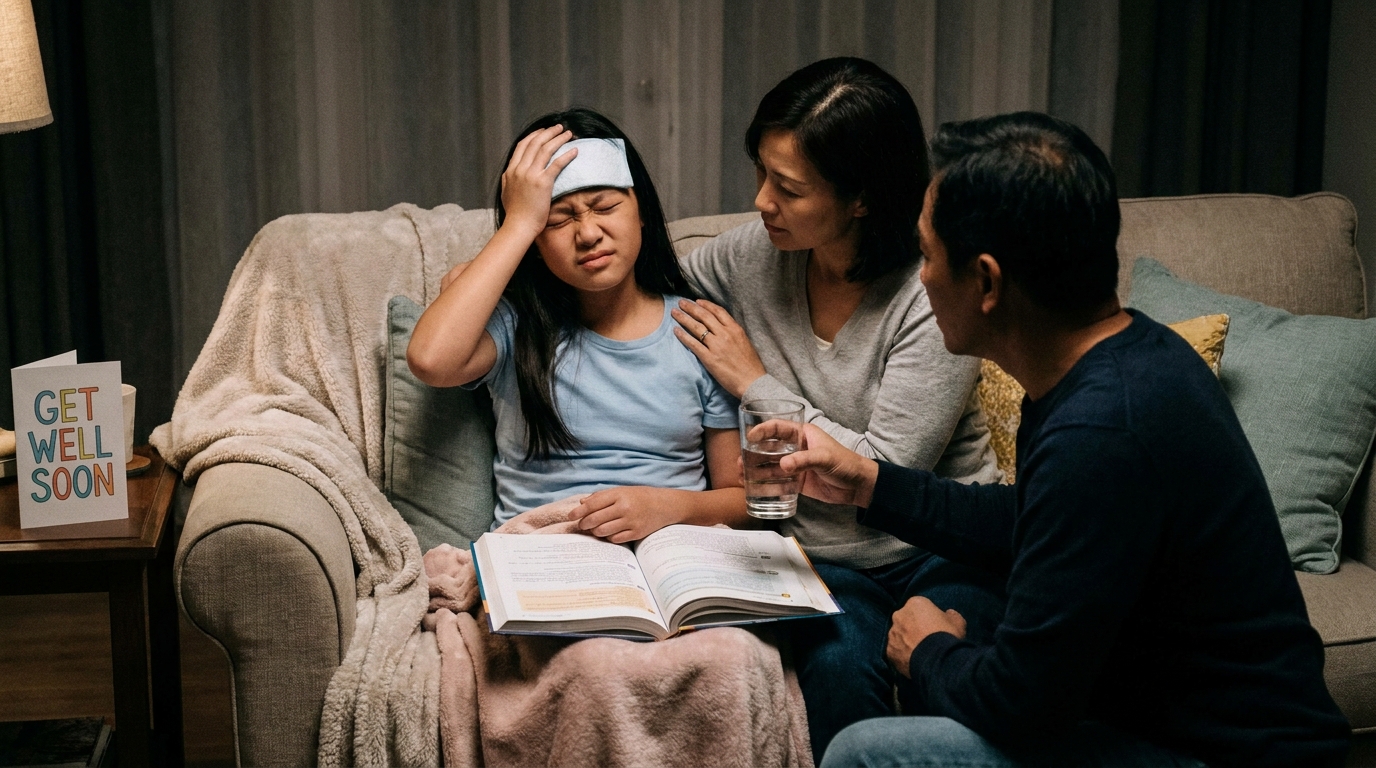
Recovery time from a concussion depends on age, injury severity, previous head injuries, and general health. In most people, symptoms gradually fade over several days or weeks. Sometimes recovery takes longer, and that alone doesn’t mean the injury has become dangerous:
- Impact. Patients often wonder how long concussion symptoms last. Rest, physical activity, and mental activity all affect recovery, and pushing through pain or dizziness too soon can complicate things.
- Adults. Most adults improve within about two to three weeks, though fatigue or trouble concentrating may stick around longer.
- Children. Children and teens sometimes need a longer recovery window, with a gradual return to school and sports guided by symptoms.
- Timing. For patients wondering how long concussion symptoms can last, how they actually feel matters more than any fixed timeline. If symptoms don’t improve, that’s a reason to seek help.
- Prolonged course. In some people, symptoms last for months, tied to repeated injuries, migraines, sleep disorders, or returning to activity too quickly.
Steps to Recover Safely at Home
Home recovery from a concussion should be calm, but it doesn’t mean complete inactivity for a long stretch. The right approach gives the brain time to recover, controls the load placed on it, and allows a gradual return to normal routines. When symptoms of a concussion in adults show up, patients shouldn’t just try to push through them:
- Rest. In the first few days, reducing physical and mental exertion helps. Adequate sleep, short breaks, and limiting screen time ease fatigue and headaches.
- Activity. After initial rest, patients should gradually return to light daily activities, cutting back if symptoms worsen.
- Habits. Regular sleep, decent nutrition, and moderate fluid intake support recovery. Alcohol and activities that raise the risk of another head injury should be avoided.
- Follow-up. Regular check-ins after symptoms appear help identify the underlying cause, tracking headache, dizziness, vision, concentration, mood, and sleep quality.
- Return. Experts recommend delaying a return to sports and driving until a medical professional confirms it’s safe.
According to the CDC’s HEADS UP program, concussion symptoms can show up right after an injury or may not appear until hours or days later, and worsening signs such as repeated vomiting or increasing confusion call for emergency care. The National Institute of Neurological Disorders and Stroke also notes that even a mild traumatic brain injury can disrupt normal brain function temporarily, and knowing what to expect during recovery is a key part of treatment. If you’re recovering from a head injury and want a clearer sense of what happened, it may help to read about the different categories head injuries fall into, since concussion is just one type among several.
When to See a Neurologist at Lone Star Neurology
After a concussion, seeing a neurologist matters especially when symptoms persist, interfere with daily life, or come back. A specialist can assess the condition, identify the causes of prolonged symptoms, and build a plan for safe recovery. Patients shouldn’t rely only on self-diagnosis. At Lone Star Neurology, a specialist can perform a neurological exam to evaluate memory, attention, coordination, balance, and visual symptoms, and determine whether additional testing or other specialists are needed.
- Patients should consult a neurologist if headache, dizziness, visual disturbances, or memory problems last longer than expected, a pattern covered in our overview of concussion signs, causes, and symptoms.
- Delayed concussion symptoms can appear hours or days after the injury.
- The care plan depends on symptoms and may include recommendations for sleep, activity, returning to work, and headache control, along with practical steps like foods that support brain recovery.
- If a patient doesn’t feel like themselves compared to before the injury, that’s reason enough to schedule a consultation.
Timely evaluation helps make sense of the condition and choose the right next steps once the main symptoms of concussion have been identified. Patients shouldn’t wait months if concussion symptoms persist or get worse. The first step toward recovery is scheduling an appointment for a professional assessment and personalized treatment recommendations.
This article is meant to help you understand your symptoms, not replace a medical evaluation. If concussion symptoms are severe, worsening, or paired with confusion, seizures, or repeated vomiting, seek medical attention right away.

 (137 votes, average: 4.78 out of 5)
 Loading...





I've given up... the stress her office staff has put me through is just not worth it. You can do so much better, please clean house, either change out your office staff, or find a way for them to be more efficient please. You have to do something. This is not how you want to run your practice. It leaves a very bad impression on your business.
Please, leave your review
Write a comment: