

Sometimes the change comes overnight. Dad has a stroke in March, gets through rehab, comes home walking with a cane, and everyone is relieved. By summer, though, he can’t follow the plot of a ballgame on TV, and he’s paid the electric bill twice. Other times there’s no single event at all. Just an MRI report that mentions “white matter changes,” and a family wondering whether that explains why Mom has gotten so slow and flat over the past few years.
Both stories point toward the same condition. So, what is vascular dementia? It’s a decline in thinking skills caused by reduced blood flow to the brain, either from strokes or from slow damage to tiny blood vessels. It’s the second most common cause of dementia after Alzheimer’s disease, and it often shows up alongside it.
There’s one piece of real good news here. Because this kind of dementia is driven by blood vessels, controlling blood pressure, blood sugar, and other vascular risks can lower the chance of further damage. That’s a lever families can actually pull.
Medical disclaimer: This article is for general information only and doesn’t replace an exam by a doctor. Please don’t self-diagnose or change any medication on your own; talk to a qualified provider about symptoms in yourself or a loved one.
What Is Actually Happening in the Brain
Your brain uses about a fifth of the body’s oxygen, and it has no backup supply. When blood flow drops, brain tissue gets injured. Vascular dementia happens in two main ways, and many people have some of both.
The first is stroke. A large stroke can damage areas that handle memory, language, or planning, and memory loss after stroke may show up right away or become obvious weeks later, during recovery. Repeated small strokes add up too. Doctors used to call that pattern multi-infarct dementia. Some of those strokes are “silent” and never noticed at the time. Others look like a mini stroke (TIA), where symptoms vanish in minutes but the warning is serious.
The second route is quieter. Deep inside the brain, tiny arteries feed the white matter, the wiring that connects one brain region to another. Years of high blood pressure, diabetes, smoking, and high cholesterol stiffen and narrow those vessels. Small patches of wiring slowly lose their blood supply. Picture a city where the main highways still work, but the side streets keep getting closed one by one. Traffic slows everywhere.
Today, neurologists often use the broader term vascular cognitive impairment. It covers everything from mild slowing to full dementia, and it fits the reality that most people have a mix of causes.
Reading Your MRI Report: White Matter Changes
Many families first encounter this topic in a radiology report. Phrases like “chronic small vessel ischemic changes” or “white matter disease” can sound frightening, and many people type small vessel disease brain into a search bar the same night.
Here’s what those words usually mean:
- White matter hyperintensities are bright spots on certain MRI sequences, often marking areas affected by poor blood flow over time.
- Chronic small vessel ischemic changes are a radiologist’s way of saying the small arteries likely haven’t delivered enough blood for a long while.
- Lacunes are tiny old strokes, sometimes found without anyone knowing they happened.
- Microbleeds are small spots of old bleeding that can matter when choosing blood thinners.
A key point many people miss: MRI findings alone don’t diagnose dementia. Plenty of people over 65 have some white matter disease on their scan and still manage their finances, drive, and remember birthdays just fine. Others with widespread changes struggle a lot. The scan must be matched with symptoms, a neurological exam, and cognitive testing.
That’s the job of a full evaluation at a memory loss clinic, where doctors also check for treatable look-alikes such as thyroid problems, low vitamin B12, medication side effects, depression, and sleep apnea. When a new scan is needed, our clinic runs MRI on Saturdays, which helps working family members who drive a parent to appointments.
How the Symptoms Differ From Alzheimer’s
Alzheimer’s usually starts with memory for recent events. Your aunt asks the same question three times during lunch. With vascular dementia, memory is often better preserved early on. The trouble shows up in speed and organization.
Typical vascular dementia symptoms include:
- Slower thinking, with long pauses before answering a question.
- Trouble planning multi-step tasks, like following a recipe or filling out a pill box.
- Poor focus and easy distraction.
- Apathy, where someone stops starting things on their own.
- Depression, irritability, or emotional swings, sometimes before memory changes.
- Changes in walking, such as short shuffling steps or more falls
- Bladder urgency or accidents earlier than you’d expect.
Physical stroke signs can also be part of the picture: weakness on one side, slurred speech, or a droopy face. The NHLBI notes that vascular dementia often occurs together with Alzheimer’s disease or other dementias, which is why the line between them gets blurry.
A pattern families describe a lot is a “step” decline. Things hold steady for months, then drop after a hospital stay or a new small stroke. That stepwise course is a classic clue.
Other dementias can mimic parts of this picture. Lewy body dementia, for instance, also causes slowed thinking and walking problems, but adds vivid hallucinations and acting out dreams. Getting the type right matters, because some medications are risky in one dementia and helpful in another.
How It Progresses
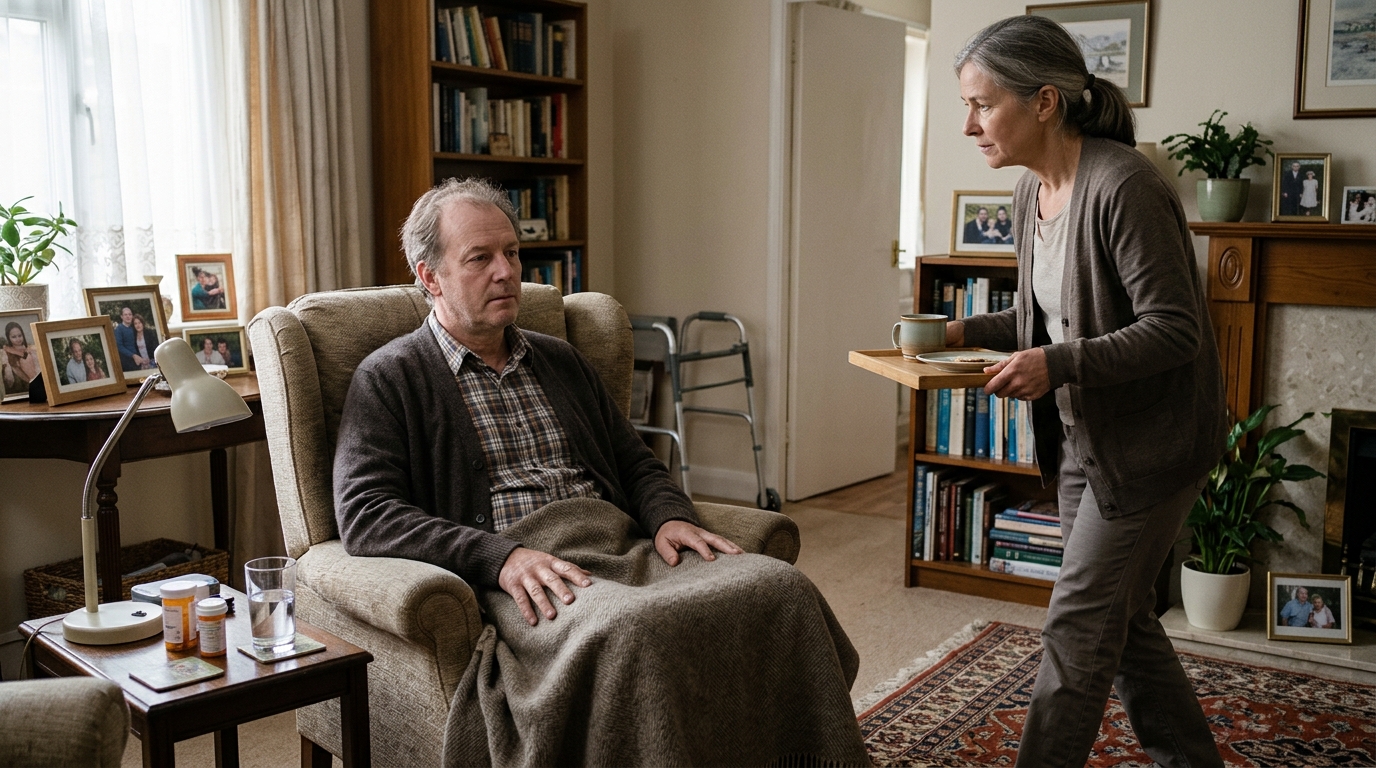
No two people follow the same path. The course depends on the size and location of brain damage, whether more strokes happen, and how well the vascular risks are controlled.
Doctors often describe broad vascular dementia stages:
- Early stage. The person is mostly independent but moves more slowly. Managing bills, juggling appointments, or driving in unfamiliar areas gets harder. Many people notice something is off and feel frustrated.
- Middle stage. Daily tasks need help. Medications get missed or doubled, cooking becomes unsafe, and they may get lost in a familiar H-E-B parking lot. Mood changes and walking problems often grow.
- Late stage. Help is needed with dressing, bathing, eating, and moving around. Speech may become limited, and supervision is needed around the clock for safety.
Please take these stages of vascular dementia as a rough map, not a timetable. After a stroke, decline can come in sudden steps. With small vessel damage, it’s usually slower and steadier. With mixed dementia, it can be unpredictable. Revisiting the care plan every few months, especially after any hospital stay, helps families stay ahead of changes instead of reacting to a crisis. Knowing the stages of vascular dementia also helps when talking with siblings about who’ll help and when.
Treatment: Protecting What Is Left
No vascular dementia treatment can repair brain tissue already lost. Realistic goals include preventing new damage, preserving remaining skills, and making daily life safer and easier.
Prevention is the core. Main areas include:
- Blood pressure control, the single biggest factor. In the SPRINT MIND trial published in JAMA, people treated to a lower blood pressure goal had a lower risk of mild cognitive impairment. However, the trial didn’t prove a reduction in dementia itself. Tighter targets aren’t right for everyone, since dizziness, falls, and kidney effects can happen, so the target is individual.
- Cholesterol, blood sugar, and heart rhythm management, including checking for atrial fibrillation and deciding on blood thinners when needed
- Stopping smoking, which helps the small vessels at any age
- Regular movement, even daily walks, plus physical therapy for balance and fall prevention
- Cognitive and speech rehabilitation after a stroke
Symptom care matters too. Depression and apathy are common and treatable. Some people with vascular or mixed dementia try medications developed for Alzheimer’s. Benefits tend to be modest, and side effects can include nausea, diarrhea, vivid dreams, or a slow heart rate, so doctors weigh them case by case.
New stroke symptoms always need emergency care. Sudden face drooping, arm weakness, slurred speech, loss of balance, or vision changes mean call 911, even if they fade. Our team also offers stroke follow-up care, because preventing the next stroke is part of every vascular dementia treatment plan.
Prognosis and Later Stages: Honest Answers for Families
Families ask about vascular dementia life expectancy early on, sometimes quietly at the end of a visit. No single number fits. It depends on age, how severe the strokes have been, heart health, diabetes, mobility, and how well future strokes are prevented. Many people with vascular dementia die from heart attacks, strokes, or infections, so controlling vascular risks can affect both thinking and survival. Your neurologist can give a more personal outlook once the full picture is clear.
In the later stages, the body changes along with the mind. Common vascular dementia end-of-life symptoms include:
- Trouble swallowing food, liquids, or pills, which raises the risk of choking and pneumonia.
- Eating and drinking much less, with weight loss and dehydration.
- Losing the ability to walk or change position without help.
- Pressure sores and frequent infections.
- Long periods of sleep and very limited speech.
Good care can ease many of these problems. Speech therapists can suggest safer food textures. Regular repositioning helps prevent skin breakdown. Palliative care and, later, hospice can focus on comfort and support the whole family.
Families don’t have to figure this out alone. Our clinic takes part in the GUIDE program, a Medicare model for people living with dementia and their caregivers. It’s built around a care navigator, caregiver education, and a support line that’s available around the clock, and it’s meant for people on Original Medicare. We also offer free dementia support resources for families.
Lone Star Neurology has 22 locations across Dallas-Fort Worth, Austin, Houston, and San Antonio. If vascular dementia symptoms are showing up in someone you love, or a recent MRI raised questions, call 214-619-1910 to schedule a visit.







Please, leave your review
Write a comment: