

Neuropathy affects a lot of people, but the hereditary kind is a different animal. It’s a group of genetic conditions that gradually wear down the peripheral nerves, and the transmission of nerve signals slowly breaks down over time. The best-known form by far is Charcot-Marie-Tooth disease, usually just called CMT. Because it runs in families,…
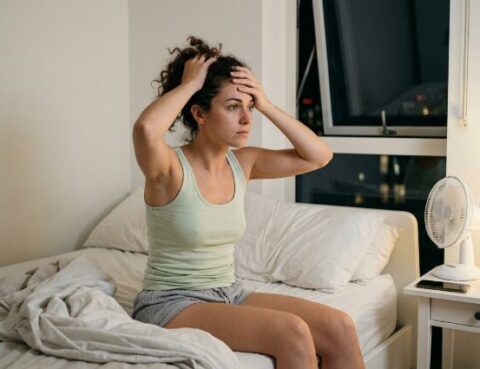
Summer nights have a reputation for being relaxed – open windows, late dinners, an easy pace. For a lot of people, though, the reality looks different: tossing and turning, waking up at 3 am drenched in sweat, and dragging through the next day on fumes. Summer sleep problems can feel like a minor seasonal annoyance….

Every summer, Texas heat sends people to the ground. A construction worker slides down against his truck. A grandmother waiting in line goes pale and drops. A teenager mowing the lawn wakes up on the grass with no memory of falling. Most of the time, this is heat syncope, a brief fainting spell tied to…

You wake up, and something feels wrong. One side of your face isn’t moving quite right. You try to smile in the bathroom mirror, and the corner of your mouth doesn’t follow. You try to raise an eyebrow, and it stays put. You blink and realize your eye isn’t closing all the way. That moment…

For a lot of families, summer means one thing on repeat: training, tournaments, sports camps. The fields and gyms fill up, the schedule gets packed, and the energy is contagious. But there’s a flip side most people don’t talk about enough: summer is also when concussion recovery becomes one of the most urgent issues we…
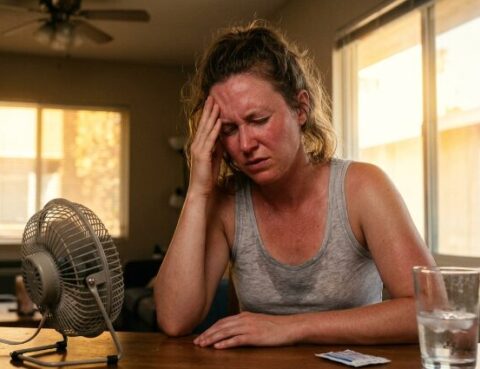
June brings longer days, hotter temperatures, and for roughly 39 million Americans who live with migraine, a month that draws national attention to their condition. Migraine Awareness Month lands precisely during the season that tends to make attacks more frequent and harder to manage, and that timing is worth taking seriously. Heat, intense sunlight, dehydration,…

Tingling or numbness in the hands after a workout is something most people brush off as a normal part of training. And honestly, in many cases, that assumption is correct. A short-lived pins-and-needles sensation that fades within a few minutes usually isn’t cause for concern. But tingling hands after workouts can also be the first…
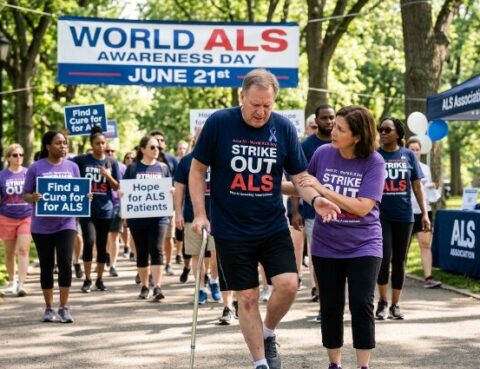
Every June 21, the neurology community marks World ALS Awareness Day, a date that serves as a collective reminder that Amyotrophic Lateral Sclerosis is a condition where timing genuinely matters. Early recognition of symptoms, timely referral to a specialist, and access to multidisciplinary care all lead to meaningfully better outcomes than delayed diagnosis, and the…
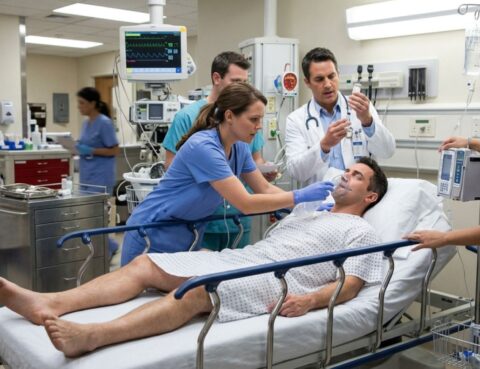
A typical seizure lasts between 30 seconds and two minutes and resolves without intervention. When it doesn’t, the clinical situation changes fundamentally. Status epilepticus is defined as a seizure lasting five minutes or longer, or a series of seizures between which the patient does not return to their baseline level of consciousness. At that threshold,…

Every summer, someone collapses at a backyard barbecue or a parking lot, and the people around them freeze, not from fear, but from genuine uncertainty. Is it the heat? Is it a stroke? It looks the same in the first seconds, and those seconds matter more than most people realize. Understanding heat stroke vs stroke…