

Summer nights have a reputation for being relaxed – open windows, late dinners, an easy pace. For a lot of people, though, the reality looks different: tossing and turning, waking up at 3 am drenched in sweat, and dragging through the next day on fumes. Summer sleep problems can feel like a minor seasonal annoyance. Still, the consequences run well past next-day grogginess: memory problems, mood swings, migraines, and even seizures in vulnerable patients are all on the list.
Sleep is when the brain processes the day’s information, consolidates memories, regulates emotion, and resets the nervous system. When sleep turns shallow or fragmented, concentration slips, mood gets unpredictable, and productivity drops. For people with neurological conditions, the stakes are higher still: insufficient sleep can lower the seizure threshold, and that’s not a small detail to brush off.
The brain depends on sleep to lock in new information. Disrupting that process, remembering facts, finishing work tasks, and even learning something new all get harder. Chronic sleep loss also makes people more emotionally reactive: more sensitive to stress, quicker to tire, more prone to anxiety. And for many patients, disrupted sleep is a well-documented headache trigger. Sleep and brain health are far more tightly linked than most people realize, and summer is exactly when that link gets tested.
How Hot Weather Hijacks Your Sleep Cycle
Falling asleep is a physiological event, and one of its key triggers is a drop in core body temperature. Summer sleep problems spike on hot nights specifically because that drop becomes harder to achieve. Normally, your body temperature needs to fall by roughly 1°F before bed as a signal to the brain that it’s time to power down. When the bedroom stays warm, that cooling process stalls – sleep onset gets delayed, rest becomes shallower, and you wake up more often through the night.
This is the physiological root of heat insomnia, and it’s especially common in places with long stretches of hot weather, which, if you live in Texas, describes most of the year. A large multi-country study analyzing sleep data found that rising nighttime temperatures around the world were specifically linked to more trouble falling asleep, and a separate cohort study measuring actual bedroom temperatures found that each 5°C rise in indoor nighttime temperature was associated with a real, measurable drop in total sleep time (Caballero-Gomez et al., 2025).
A few specific factors compound the problem in summer:
- Temperature. Hot air makes it harder for the body to cool naturally, which keeps the brain in an alert state even when you’re exhausted.
- Light. Longer daylight hours shift your internal clock, telling your body the day isn’t over yet.
- Sunset. Late summer twilight delays the release of sleep-related hormones, sometimes pushing back your natural bedtime by an hour or more.
- Humidity. High humidity blocks your body’s natural cooling mechanism – sweat evaporation – which is part of why heat insomnia so often means waking up uncomfortable in the middle of the night, not just struggling to fall asleep.
The Connection Between Daylight, Melatonin, And Sleep
If you’ve ever found yourself wide awake at 10 pm despite feeling exhausted all day, you’ve experienced one of the most common questions we hear in summer: “Why can’t I sleep in summer?” A big part of the answer comes down to light exposure and melatonin, the hormone that governs your sleep-wake cycle.
Melatonin production ramps up once it gets dark. In summer, though, daylight stretches longer, and sunsets arrive later, which means your brain gets the “stay awake” signal for far longer than it does in winter. Layer warm nights and elevated temperatures on top of that, and you have the full recipe for seasonal sleep disorders that summer brings on a predictable schedule.
A few specific factors shape that melatonin disruption:
- Daylight. Longer summer days naturally push back melatonin production, so you start feeling sleepy later than you would in winter.
- Sunset. Late twilight keeps the wakefulness system engaged longer, contributing directly to the sleep disorders that summer patients most report. Your body reads the environment as a cue to stay active.
- Screens. Phones, tablets, and TVs emit blue light that actively suppresses melatonin, worsening an already delayed schedule.
- Habits. Late-evening activities tend to cluster around the long daylight hours, gradually shifting sleep patterns later and later as summer goes on.
Why Poor Summer Sleep Damages Brain Health Long-Term
Most people treat a few rough summer nights as a temporary inconvenience. But when sleep disruption repeats for months or years, the effects accumulate, and that’s exactly why sleep and brain health have become a growing focus among neurologists and sleep researchers.
During deep sleep, your brain isn’t just resting; it activates the glymphatic system, a clearance mechanism that flushes out metabolic waste and potentially harmful proteins that build up during waking hours.
The main long-term mechanisms worth understanding:
- Cleansing. Deep sleep is when the glymphatic system runs hardest. Chronic sleep deprivation impairs brain cleanup, which can contribute to a buildup of unwanted substances in nervous tissue over time.
- Inflammation. Ongoing sleep loss raises systemic inflammation, with downstream effects on both cardiovascular and brain health.
- Memory. Inadequate sleep impairs the brain’s ability to form new memories and sustain cognitive function; people forget more, and concentration suffers.
- Aging. Long-term sleep disruption has been linked to accelerated age-related cognitive decline, which is exactly why protecting sleep and brain health is considered a meaningful piece of prevention, not just a comfort issue.
Top Neurological Risks Of Losing Sleep In Summer
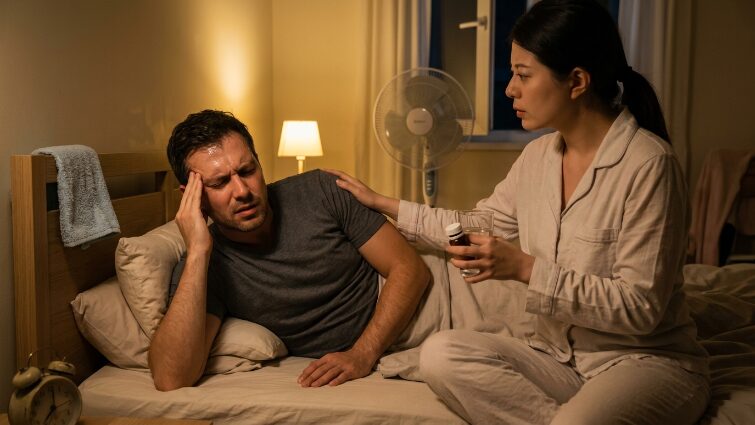
Summer insomnia isn’t just about feeling tired the next day. The nervous system is particularly sensitive to inadequate rest, so prolonged summer sleep problems can genuinely worsen the course of several neurological conditions. This is exactly why doctors treat sleep disorders that summer brings as a real risk factor for brain health, not a seasonal inconvenience.
The main neurological risks include:
- Migraine. Sleep loss is one of the most well-established migraine triggers. Patients with chronic headaches frequently notice flares right after a disrupted sleep period.
- Seizures. In people with epilepsy, insufficient sleep can lower the seizure threshold, raising the risk of breakthrough seizures even with consistent medication.
- Memory. Chronic summer sleep problems affect concentration, learning, and decision-making. Even short-term sleep deprivation measurably reduces productivity.
- Multiple sclerosis. For many MS patients, inadequate sleep worsens fatigue, cognitive difficulty, and overall quality of life.
- Mood. Sleep plays a central role in emotional regulation. Without enough of it, irritability, anxiety, and mood swings become much more common.
- Vascular risk. Long-term sleep problems are linked to higher cardiovascular risk, including stroke.
7 Proven Tips For Cooler Nights And Deeper Sleep
When summer nights turn into hours of staring at the ceiling, it helps to know there are real, evidence-backed strategies for fixing it. People often look for causes of summer insomnia without realizing how much control they actually have over the outcome through consistent habits.
- Temperature. Keep the bedroom around 6568°F. A cooler room helps your body achieve the natural core-temperature drop needed for sleep onset.
- Bedding. Lightweight, breathable, natural-fiber bedding – cotton and linen especially – wicks away heat and moisture far better than synthetic materials.
- Shower. A warm shower roughly 90 minutes before bed sounds counterintuitive, but the rapid cooling that follows mimics and actually accelerates your body’s natural sleep-onset signal.
- Curtains. Once you’ve identified the real summer insomnia causes in your routine, blackout curtains solve one of the biggest: early summer dawn light sneaking in before you’re ready to wake.
- Screens. Turn off phones, tablets, and TVs at least an hour before bed. Blue light directly disrupts your natural sleep cycle.
- Consistency. A fixed wake-up time matters more for long-term sleep health than a fixed bedtime.
- Alcohol. It might make you drowsy, but it reliably fragments sleep quality later in the night, not a trade worth making.
When Insomnia Needs A Neurologist’s Attention
Not every restless night is cause for concern. But sometimes sleep disruption goes well beyond a normal reaction to heat and signals a need for a proper diagnosis and treatment. People often chalk up months of fatigue to weather or stress when an underlying disorder is actually driving it. That’s exactly when a specialized sleep disorder clinic Texas patients trust, like Lone Star Neurology, can make the difference.
It’s worth seeking evaluation if you notice:
- Loud snoring paired with daytime sleepiness, which can point to obstructive sleep apnea
- Uncomfortable sensations or an irresistible urge to move your legs in the evening are a possible sign of restless legs syndrome
- Episodes of walking or acting out during sleep, particularly if these are new in adulthood
- Frequent nighttime seizures or suspected seizure activity, which warrants a consultation with a neurologist at a sleep disorder clinic, Texas families rely on
- Sudden memory problems or changes in thinking, which may reflect something beyond simple sleep deprivation
We see this pattern often: patients who’ve been managing months of poor sleep with sheer willpower, assuming it’s just “the heat,” only to have a proper sleep evaluation reveal something treatable underlying their summer sleep problems. You can read more about recognizing the signs of a sleep disorder on our blog – it’s a good starting point if any of this sounds familiar.
Don’t spend the rest of the summer running on fragmented sleep and hoping it resolves on its own. If something feels off, it’s worth finding out why.

 (133 votes, average: 4.58 out of 5)
 Loading...






I've given up... the stress her office staff has put me through is just not worth it. You can do so much better, please clean house, either change out your office staff, or find a way for them to be more efficient please. You have to do something. This is not how you want to run your practice. It leaves a very bad impression on your business.
Please, leave your review
Write a comment: