

A stroke is a life-changing event that occurs when the blood supply to part of the brain is interrupted, depriving brain tissue of oxygen and causing cells to die within minutes. Because the brain controls every function of the body, the impact can be widespread. Maintaining brain health is a lifelong journey, but after a stroke, it becomes the primary focus of medical intervention. The road to healing is rarely a straight line, but with the right support, many survivors regain their independence.
The healing process begins almost immediately after the medical emergency is stabilized. This is where neurology becomes essential. Neurologists understand how the brain is wired and how it can be rewired after injury. Successful stroke rehabilitation is not just about doing physical exercises – it is about retraining the nervous system to communicate with the body again. Consistent neurological care ensures the medical and structural aspects of the brain are being monitored and optimized throughout the entire recovery journey.
Recovery is a multi-layered process that involves various specialists and typically includes physical therapy to regain movement, speech therapy to restore communication, and occupational therapy to support daily tasks. However, the foundation of all these efforts is professional neurology care, which provides the medical roadmap for stroke recovery. Without this specialized oversight, it becomes very difficult to navigate the complex changes happening inside the brain.
Neurological Rehabilitation: A Key Element in Stroke Therapy
When we talk about recovery, we often use the term neurological rehabilitation. This is a supervised program designed for people with nervous system disorders or injuries. In the context of a stroke, it is specifically tailored to help patients recover as much function as possible. It doesn’t just focus on the muscles – it focuses on the brain signals that are supposed to move those muscles. High-quality neurological rehabilitation is what separates simply surviving a stroke from truly regaining a high quality of life.
Specialized neurology care helps restore function through targeted activities that challenge both the mind and body. For instance, if a patient has lost mobility in their arm, a neurologist and a rehabilitation team will work together to create exercises that force the brain to find new pathways. This process is vital for improving mobility and helping the patient safely navigate daily life. Consistent stroke rehabilitation ensures these new neural pathways remain strong over time.
Neurologists play a leading role in this process – they do far more than diagnose the initial injury. They oversee the entire stroke therapy plan, manage medications that prevent future strokes, treat complications like muscle stiffness, and coordinate with therapists to adjust the intensity of the rehabilitation program. Without this high-level medical oversight, physical exercises may not be as effective, as underlying neurological issues may go unaddressed. Every step of stroke recovery depends on this expert guidance.
The Science Behind Stroke Rehabilitation and Neurology
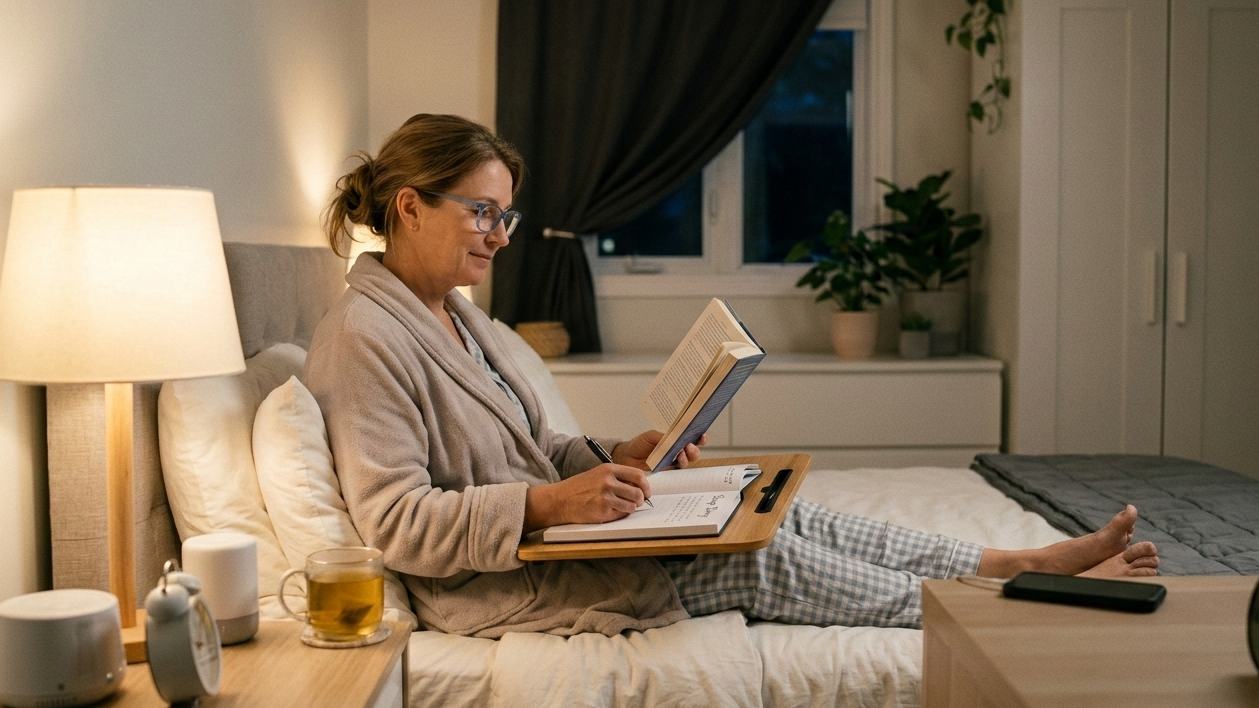
The reason humans can recover from brain injuries at all is due to a remarkable concept called neuroplasticity – the brain’s ability to reorganize itself by forming new connections. After a stroke, some brain cells are permanently lost, but the surrounding healthy cells can often learn to take over their functions. Supporting brain health through proper nutrition and mental exercise strengthens this natural healing power.
Specialized neurological care supports this process by creating the right environment for the brain to adapt and change. When a patient engages in repetitive, goal-oriented tasks, they are effectively rewiring their brain. A neurologist’s role is to assess the damage, identify which areas remain healthy, and monitor recovery through regular check-ups and brain imaging. This ongoing monitoring shows how well new neural connections are forming and helps guide treatment decisions.
The data gathered during neurological rehabilitation helps doctors decide when to push a patient harder and when to try a different approach. This strategy ensures that no time is wasted on ineffective treatments, and understanding the brain’s biology allows the medical team to maximize the results of every rehabilitation session.
Innovative Neurology Treatments in Stroke Recovery
The field of medicine is always advancing, and today there are more tools than ever to help stroke survivors. Modern neurology care now includes cutting-edge treatments that help patients reach milestones that were once thought impossible. These innovations can accelerate the healing process and significantly improve stroke recovery outcomes:
- Deep Brain Stimulation (DBS) – using electrodes to help regulate brain impulses and improve motor function.
- Stem Cell Research – exploring how new cells can repair damaged brain tissue and support long-term brain health.
- Advanced Neuroimaging – high-tech scans that allow doctors to observe brain activity in real time during stroke therapy.
- Robotic Exoskeletons – devices that help patients move their limbs with precision, providing the repetitive motion essential for neurological rehabilitation.
The benefit of these treatments is that they offer real hope to those who may have hit a plateau in their recovery. When doctors combine these advanced techniques with standard neurological rehabilitation, they create a significantly more powerful recovery environment. These tools represent the future of medicine, where the goal is the fullest possible restoration of the patient’s abilities.
Stroke Therapy: How Neurological Care Improves Recovery
Personalization is one of the most important aspects of any stroke recovery plan. No two strokes are the same, and therefore, no two stroke therapy plans should be the same either. A neurologist begins by thoroughly evaluating each patient’s specific needs and then builds a comprehensive framework that covers all aspects of daily life.
| Therapy Type | Focus Area | Role in Neurological Care |
| Physical Therapy | Gross motor skills (walking, balance) | Core component of a comprehensive stroke rehabilitation plan |
| Speech Therapy | Language and swallowing | Rebuilding communication through targeted neurological care |
| Occupational Therapy | Fine motor skills (writing, dressing) | Essential for long-term brain health and functional independence |
Comprehensive stroke therapy goes beyond physical movement. Neurologists also manage the “hidden” symptoms – such as mood changes and sleep disturbances – that are often caused by chemical changes in the brain following an injury. By treating these symptoms, they ensure the patient has the mental energy required for neurological rehabilitation. This holistic approach accelerates the healing timeline and helps prevent further brain damage.
Comprehensive Stroke Rehabilitation: Beyond the Hospital
The first few weeks after a stroke are critical, but the journey doesn’t end when the patient is discharged from the hospital. In fact, many people find that the most significant progress happens in the months and years that follow. Transitioning to a dedicated stroke rehabilitation center is a major step forward, and continuous oversight from a neurological care team is vital during this phase to ensure that patients don’t lose the gains they’ve already made.
Post-hospital stroke recovery is a true team effort, typically involving the neurologist as the lead strategist, rehabilitation nurses to manage day-to-day health, caregivers and family members to provide emotional support, and therapists to deliver ongoing stroke therapy.
Long-term success depends on consistency. A survivor with a dedicated neurological rehabilitation team is far more likely to remain committed to their recovery goals. This ongoing support also helps catch potential problems early. By maintaining a connection with professional neurological care, survivors can continue to improve their function long after the initial stroke. A sustained focus on brain health ensures that recovery is lasting and meaningful.
Advancements in Neurological Care and Stroke Recovery
The landscape of stroke treatment is changing rapidly, driven by ongoing research and a deeper understanding of the brain than ever before. New medications are being developed to protect brain cells, and new stroke therapy techniques are making it easier for the brain to repair itself. These breakthroughs are a direct result of continued advancements in neurological care.
Research is also increasingly focused on the “chronic” phase of stroke recovery. In the past, it was widely believed that after six months, no more meaningful progress could be made. We now know this is not true. With the right intensity of stroke rehabilitation and modern medical support, the brain can continue to adapt for years. The future of neurological care is centered on making these advanced treatments accessible to everyone who needs them.
Looking ahead, the integration of artificial intelligence and wearable technology has the potential to transform the rehabilitation landscape entirely. We are moving toward a future where sophisticated biosensors can monitor neural activity in real time, potentially identifying the subtle brain patterns that precede a second stroke before any symptoms even appear.
At the same time, the recovery process is being reimagined through gamified, home-based systems that transform repetitive physical therapy exercises into engaging, interactive challenges – significantly boosting patient motivation and compliance. These technological advances, combined with a broader shift toward proactive, long-term brain health and neuroplasticity, are effectively turning the tide against permanent disability. This evolution in stroke rehabilitation shifts the focus from merely surviving to truly thriving.
With these advanced interventions and a strong, supportive care framework, the story of a stroke is being rewritten – not as a story of loss, but as one of profound resilience and return.

 (128 votes, average: 4.74 out of 5)
 Loading...




I've given up... the stress her office staff has put me through is just not worth it. You can do so much better, please clean house, either change out your office staff, or find a way for them to be more efficient please. You have to do something. This is not how you want to run your practice. It leaves a very bad impression on your business.
Please, leave your review
Write a comment: