

A sharp headache, numbness, or inability to raise an arm should raise real concern. Signs like these can point to a serious neurological event that can happen suddenly and take many different early forms. It requires quick intervention, and seeking help right away gives patients the best chance at proper treatment. The simple BE FAST stroke algorithm helps anyone quickly check a person’s basic functions instead of getting lost in a critical moment.
If you suspect a stroke, call emergency medical help immediately and use the BE FAST stroke steps as a guide. Signs can appear suddenly as impaired movement, speech, vision, or balance. Some people notice signs of a stroke before it happens as short-lived or unusual neurological changes, and recognizing those signs of a stroke before it happens matters just as much as recognizing the event itself.
This article is for general information only and isn’t a substitute for a medical diagnosis. If you or someone near you shows these signs, the safest next step is to call emergency services, not schedule a doctor’s visit.
The FAST Acronym for Spotting a Stroke
The FAST algorithm helps anyone quickly check the most noticeable signs of a stroke, turning panic into a clear sequence of actions by checking the face, hands, speech, and time. The FAST stroke acronym helps assess a situation quickly, and the BE FAST stroke acronym reinforces the need for an immediate response. FAST doesn’t replace a medical diagnosis, but it can be a crucial first step.
- Smile. Ask the person to smile. If one side of the face drops and the smile becomes uneven, that may be a sign of a stroke.
- Hands. Ask the person to raise both arms in front of them. If one arm drops or there’s sudden weakness or numbness on one side, act immediately.
- Speech. Ask the person to repeat a simple sentence. Slurred speech, incorrect word choices, trouble understanding, or an inability to speak may indicate a brain disorder.
If even one sign shows up, call for emergency help right away. When symptoms start is crucial to the outcome. Until help arrives, stay with the person and monitor their condition. Don’t try to drive someone to the hospital yourself or give food, drinks, or medicine without a doctor’s supervision. Providers can offer the necessary care for patients in cities like Dallas and beyond.
Early Warning Signs of a Stroke
The following early warning signs of stroke are dangerous to dismiss as ordinary stress or low blood pressure. A stroke often starts suddenly, but the first signs don’t always look dramatic; sometimes a person notices only mild weakness, unusual dizziness, or a brief change in speech. Any sudden change in neurological function shouldn’t be ignored.
Early warning signs of a stroke include:
- Weakness. Sudden numbness or weakness of the face, arm, or leg, especially on one side, is an important warning sign. Even if the person can still move, unusual asymmetry or a loss of strength calls for urgent evaluation.
- Speech. Difficulty finding words, slurred speech, or trouble understanding simple sentences shouldn’t be waited out if they happen suddenly.
- Vision. Sudden vision loss in one or both eyes, double vision, or loss of part of the visual field can signal a neurological problem, and even a brief episode needs evaluation.
- Balance. Unexpected dizziness, unsteadiness, or loss of coordination are also among the early warning signs of stroke.
- Headache. An unusually severe, sudden headache, especially with vomiting or loss of consciousness, requires immediate attention.
Warning Signs in the Days Before a Stroke
Strokes usually happen suddenly, so there’s no reliable set of symptoms guaranteed to show up seven days or a month beforehand. That said, some people experience brief neurological episodes, such as transient ischemic attacks, before an ischemic stroke, and these are worth a medical evaluation. Nobody should try to predict a stroke based on a calendar:
- Week. What are the warning signs 7 days before a stroke? There isn’t a one-size-fits-all answer. Sudden episodes of weakness, numbness, speech, vision, or balance problems, even lasting a few minutes, shouldn’t be ignored.
- Month. The idea of a one-month window before stroke warning signs isn’t a well-defined medical list either. Recurrent brief neurological symptoms may point to a TIA or another blood supply problem.
- Recurrence. If a symptom resolves on its own, that doesn’t make the situation safe. A TIA can precede a full-blown stroke, so evaluation as soon as possible after such an episode matters.
- Action. Nobody should wait for a repeat episode before seeking help.
The 5 Key Warning Signs to Act On
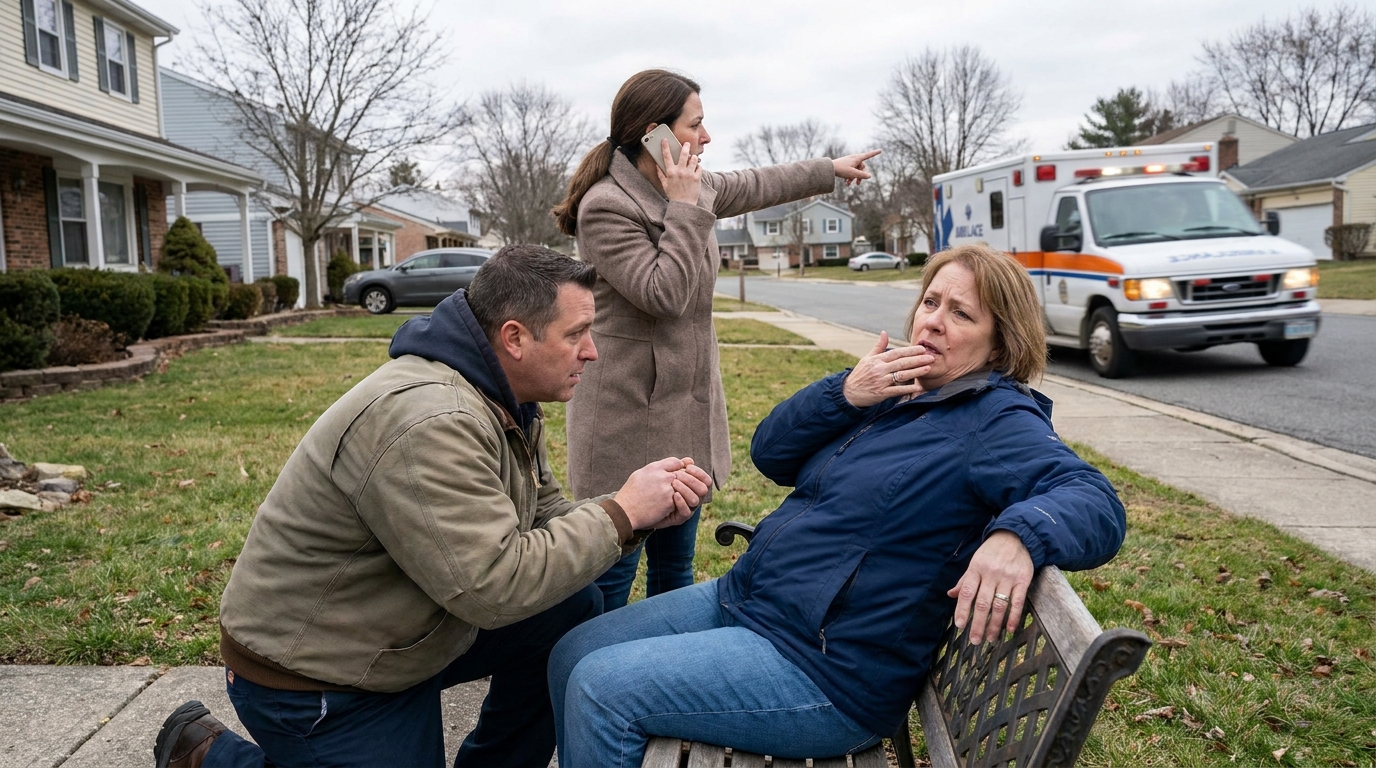
Several classic signs of stroke are easy to check for even without a medical background. Symptoms don’t necessarily show up all at once, so if a loved one notices even one, it’s time to act immediately. Patients should understand what the 5 warning signs of a stroke are and get help promptly:
- Face. Ask the person to smile and check for facial symmetry. Sudden drooping, weakness, or numbness on one side can signal a stroke.
- Arms. Ask the person to raise both arms. If one arm suddenly weakens, becomes numb, or starts to droop, act immediately.
- Speech. Ask the person to repeat a simple sentence. Slurred speech, incorrect words, or a sudden inability to speak are important warning signs.
- Vision. Sudden loss or worsening of vision, double vision, or loss of part of the visual field can accompany a stroke.
- Balance. Stroke-like symptoms such as sudden dizziness, unsteadiness, or loss of coordination may be present. If they occur with other neurological symptoms, seek emergency care.
According to the CDC, the five major warning signs of stroke are sudden confusion or trouble speaking, sudden numbness or weakness of the face, arm, or leg (especially on one side), sudden trouble seeing in one or both eyes, sudden trouble walking or loss of balance, and a sudden severe headache with no known cause.
Pre-Stroke Symptoms and Mini Strokes
The term pre-stroke symptoms describes what happens before a full-blown stroke. The most important example is a transient ischemic attack, or TIA, when blood supply to part of the brain is temporarily interrupted. Symptoms may disappear, but that doesn’t mean the danger has passed. A TIA is not a harmless short-term event, and prompt evaluation afterward helps determine the cause and reduce future risk.
- Numbness. Sudden numbness or weakness of the face, arm, or leg, especially on one side, may be a symptom of a TIA, and even a brief episode calls for prompt evaluation.
- Speech. A temporary inability to speak or sudden impaired pronunciation can be pre-stroke symptoms. If it resolves on its own, that’s still not a reason to put off seeing a doctor.
- Vision. Short-term vision loss or other sudden disturbances can occur because of a temporary disruption in blood supply.
- Coordination. Sudden loss of balance, dizziness, or trouble walking can signal a TIA and needs evaluation, even if the person quickly returns to normal.
- Duration. A TIA is often short-lived, but nobody can reliably tell on their own whether an episode was a TIA or a full stroke based on symptoms alone.
The American Stroke Association notes that a TIA is sometimes called a mini stroke but functions as a genuine warning stroke, since roughly one third of people who experience a TIA go on to have a more severe stroke within a year. If you’ve recently had a brief episode that resolved on its own, it may be worth reading about what typically happens after a mini stroke and why the days that follow matter just as much as the episode itself.
When to See a Neurologist at Lone Star Neurology
After a stroke or a suspected TIA, care doesn’t stop at emergency treatment. Follow-up with a neurologist helps assess the cause, monitor risk factors, and shape a prevention strategy. At Lone Star Neurology, patients can get a neurological evaluation with proper follow-up, and doctors build an individualized care plan based on symptoms, exam results, and personal risk factors, drawing on the diagnostic approach used across our stroke program. Recognizing early warning signs of a stroke early enough to act on them is often what separates a full recovery from lasting complications.
- A neurologist reviews the symptoms, their onset, duration, and related factors.
- The doctor assesses neurological status and, if needed, determines what additional testing might help.
- After a TIA or stroke, the team works to identify what may have disrupted blood supply to the brain.
- Managing blood pressure, cholesterol, and other risk factors is key to preventing another event, and home recovery support often plays a role in that plan too.
- New or recurring BE FAST stroke signs shouldn’t wait for a scheduled appointment. Remembering the FAST stroke acronym in the moment turns awareness into action. Call emergency services immediately.
This article is meant to help you recognize warning signs, not replace emergency care. If you notice any of these symptoms, call 911 right away. After the emergency has passed, our team is available to help.

 (144 votes, average: 4.81 out of 5)
 Loading...






I've given up... the stress her office staff has put me through is just not worth it. You can do so much better, please clean house, either change out your office staff, or find a way for them to be more efficient please. You have to do something. This is not how you want to run your practice. It leaves a very bad impression on your business.
Please, leave your review
Write a comment: