

Anxiety and peripheral neuropathy are closely related? These diseases can have similar manifestations and worsen each other. However, to determine what kind of disorder you have, you need to pay close attention to the symptoms and understand what provokes them. Sometimes when body tingling occurs, we may think that it is a consequence of constant…
Parkinson’s disease is a condition in which a part of the brain called the substantia nigra loses nerve cells. This loss leads to a decrease in a substance called dopamine, which is vital for regulating body movements. Most Parkinson’s cases are registered in the age group of 55–65 years, but there are also younger patients…

Dystonia is a condition classified by muscle spasms and contractions. Although it cannot be cured, some remedies can help you control the symptoms. One treatment option is physical therapy. It can relieve symptoms and improve the quality of life. Physical therapy for dystonia focuses on exercises that can calm muscle spasms and enhance the range…
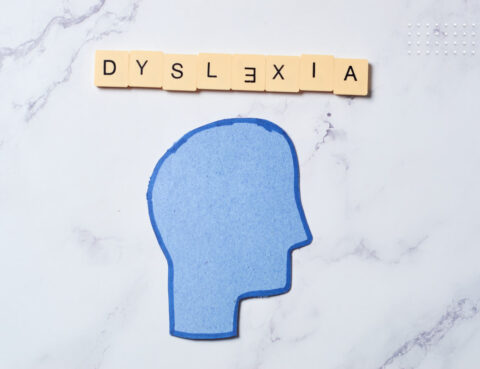
Dyslexia is one of the most common learning disabilities impacting reading, writing, and spelling skills. A comprehensive evaluation based on reading, writing, and spelling skills will help to exclude these conditions and confirm a diagnosis of dyslexia. The goal of the evaluation is to identify strengths and weaknesses to create a plan for accommodations or…
Dyslexia occurs in people of all intelligence levels and from all walks of life. It is not related to a person’s level of education or motivation to learn. Some common symptoms of dyslexia include difficulty with phonemic awareness, poor spelling skills, and difficulty with word decoding. Symptoms of dyslexia usually start showing up during childhood…
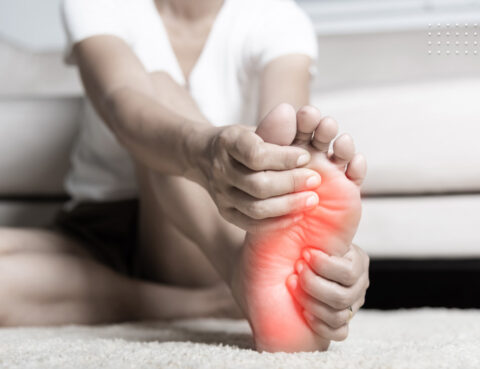
Neuron damage is a common complication. It affects the neurons, particularly in the legs and feet. It can lead to numbness, tingling, aches, and even loss of sensation. It can increase the risk of injuries and infections. However, there are several effective tactics to deter this ailment or at least delay its onset, thereby improving…

Epilepsy is a neurological disorder that affects the brain and can cause a person to have seizures. Seizures are episodes of abnormal brain activity that can cause various symptoms, including tremors, uncontrollable movements, and even loss of consciousness. Although there is no cure for epilepsy, there are many things people with epilepsy can do to…
The human is a very complex organism, the correct functioning of which depends on many factors. And even a small failure in our body can lead to catastrophic consequences. So, one of the serious failures of our bodies is hydrocephalus. It is a condition in which cerebrospinal fluid (CSF) accumulates abnormally in the brain. The…

Rehabilitation exercises are a vital part of rehabilitation for stroke patients. Many types of recovery exercises can be beneficial for stroke patients. Some common examples include aerobic, strength, balance, and flexibility training. These exercises can help improve motor skills and speech and may also help to prevent further strokes. Working with a healthcare professional to…
Acquired neurological communication disorders (ANCDs) are a group of neurological conditions affecting a person’s speech abilities. These disorders can occur after any type of brain injuries, such as a stroke, tumor, or head injury. They can also develop from diseases like multiple sclerosis or cerebral palsy. Each acquired neurogenic communication disorder is unique but shares…