
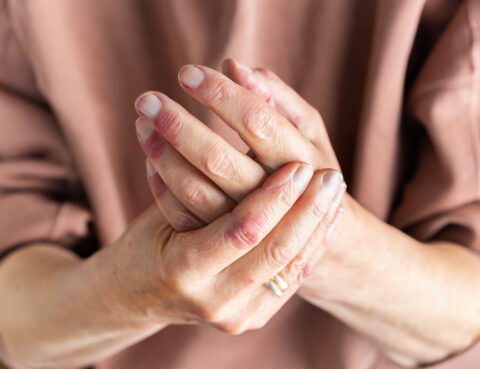
Imagine if your hands couldn’t receive the blood flow they need to function properly. That’s what Peripheral Vascular Disease in hands is all about. In this text, we’ll explore this condition in depth. Starting from its causes and symptoms to the available treatments. We’ll discuss how the hands, often overlooked, can be affected by circulation…
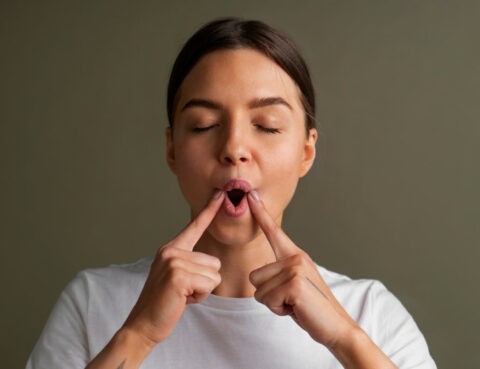
Dealing with motor speech disorders means facing speech challenges due to muscle issues. Recognizing these signs early is crucial, whether it’s from a stroke, brain injury, or developmental condition. Understanding the causes helps navigate the journey. Neurological issues like strokes or developmental conditions can impact speech. Early intervention is the key to better speech function….

Strokes and mini-strokes might sound alike, but they have significant distinctions. Understanding the difference between mini-stroke and stroke is essential because it can impact your health. These distinctions include reasons for its appearance, the signs, the type of diagnosis, and how long the effects last. Knowing these dissimilarities can help you notice the signs and…
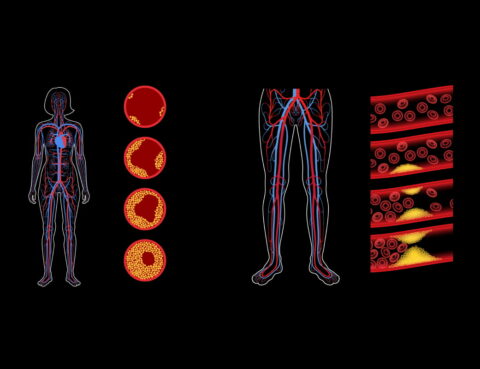
In the world of blood and blood vessels, two diseases are often confusing. They are Peripheral Vascular Disease (PVD) and Peripheral Arterial Disease (PAD). Imagine your body is a busy highway system, and your blood vessels are the roads. PVD and PAD are roadblocks on that network, but they affect different sections. PVD is a…

Oratory and correspondence are elemental facets of human engagement. They are an indispensable function in everyday existence. From conveying our notions and emotions to dispensing knowledge. Our capability to converse comprehensively is pivotal. However, for many people, this seemingly simple task is a significant challenge. It is due to various speech disorders. These circumstances, frequently…
Rare neurological diseases are a group of syndromes and diseases with a low prevalence in the population. The common features are decreased motor activity and muscle weakness. Often, rare neurological disorders are due to genetic causes: inherited from parents to children; arise due to a new gene mutation (spinal muscular atrophy, myotonia, paroxysmal myoplegia). There…

Everyone knows from childhood that good sleep is important for health. Parents told everyone that it is necessary to go to bed on time so that we grow in sleep. This is certainly an important, but not the only, advantage of a night’s rest. Sleep also produces substances and hormones necessary for the body. A…

Occasional sleep disturbances are, as a rule, reported by 10 to 30% of the general population. The prevalence of the problem increases with age. Older people have insomnia, and there are many reasons for this. About 10-15% of the world’s population has insomnia, almost every 10 inhabitant. The problem is common, and the cause is…
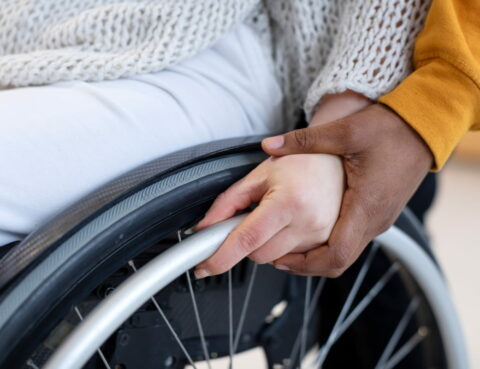
Do you have a close friend or family member who encountered ASL? In such a situation, a very critical question arises regarding how to help them. And the answer to this is vital to know. After all, life with such a disease has many complications. But while this severe illness can be life-threatening, there are…
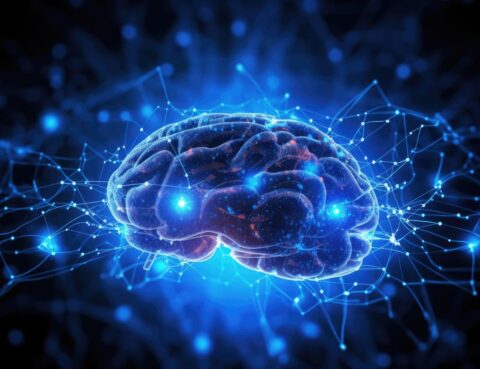
In the complex fabric of the human brain lies a phenomenon that has fascinated neuroscientists and intrigued inquiring minds. It is called neuroplasticity. This fascinating concept offers a glimpse into our brains’ remarkable adaptability and resilience. Neural adaptability is a fascinating journey through the brain’s ability to rewire itself, create new connections and pathways, and…