
Bell’s palsy is tied to sudden damage or swelling of the facial nerve. In many people, facial function returns fully over time, though the pace varies. Understanding typical Bell’s palsy recovery signs helps people track their progress. The exact cause isn’t always clear. Whatever stress can cause Bell’s palsy doesn’t have a simple yes-or-no answer, since ordinary stress alone isn’t an established cause. However, sudden changes in facial mobility still deserve a doctor’s attention. Bell’s palsy also isn’t typically hereditary, so whether Bell’s palsy is genetic doesn’t have a simple yes-or-no answer either. Patients should reach out to specialists promptly, since that supports a good recovery.
This article is for general information only and isn’t a substitute for a medical diagnosis. If your symptoms worry you, the safest next step is talking to a doctor.
Recognizing Bell’s Palsy Symptoms Fast
The first signs can appear within a short time and affect one half of the face: an uneven smile, weakness on one side, and an eye that doesn’t close the way it used to. Because similar signs can show up during a stroke, quick, careful assessment matters. Patients often want to understand whether stress can cause Bell’s palsy alongside the main symptoms to watch for.
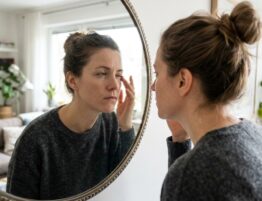
- Drooping. The most recognizable sign is weakness or drooping on one side of the face. The corner of the mouth may drop, and normal muscle movement on that side becomes harder.
- Eye. The affected side may close poorly or not at all, causing dryness, irritation, or a gritty feeling. This is often the first noticeable Bell’s palsy eye symptom people report, so protecting the cornea becomes an early priority.
- Sensation. Some people notice pain near the ear or jaw, a change in taste, or increased sensitivity to sound. These signs can accompany facial nerve weakness, though intensity varies by person.
- Onset. Patients dealing with sudden paralysis often ask whether Bell’s palsy is genetic and why it happens. Symptoms usually develop quickly, which is exactly why a medical evaluation is needed to confirm the cause and rule out other conditions.
Bell’s Palsy vs. Stroke: Knowing the Difference
A sudden facial droop can look like a stroke, so telling the two apart matters. With Bell’s palsy vs stroke, the underlying cause of the weakness is what matters most. A stroke needs immediate treatment, with no time to wait and see. Bell’s palsy usually carries a favorable outlook, but it can’t be reliably told apart from stroke based on one symptom alone.
A few key factors come up again and again in the Bell’s palsy vs stroke discussion:
- Face. With Bell’s palsy, weakness typically covers one whole side, including the forehead, making it hard to wrinkle it or close the eye fully. With a stroke, weakness usually concentrates in the lower face and is accompanied by other neurological signs.
- Arm. Sudden weakness or numbness in an arm, especially on one side, points more toward a stroke and isn’t explained by a facial nerve problem alone.
- Speech and balance. Slurred speech, trouble finding words, sudden dizziness, or loss of coordination signal a more serious event, not just Bell’s palsy vs stroke confusion. These aren’t signs to wait out.
- Timing. Noting roughly when symptoms started matters a lot for medical teams evaluating a possible stroke.
The Centers for Disease Control and Prevention lists sudden numbness or weakness in the face, arm, or leg, especially on one side, along with sudden trouble speaking or understanding speech, as key warning signs of stroke needing immediate emergency care. The National Institute of Neurological Disorders and Stroke notes that Bell’s palsy typically involves the forehead. At the same time, stroke-related facial weakness often spares it, one clue doctors use to tell the two apart. If someone shows sudden one-sided arm weakness, slurred speech, or severe dizziness alongside facial drooping, that calls for emergency stroke care, not a wait-and-see approach.
Protecting Your Eye and Managing Symptoms
Bell’s palsy often makes it hard to close one eye completely; incomplete eyelid closure matters for eye health, not just comfort. This particular Bell’s palsy eye concern needs attention from the start, even if the facial weakness itself seems mild. Patients can also reach out to our providers in cities like Allen and beyond if support is needed along the way:
- Protection. If the eye doesn’t close fully, a doctor may recommend artificial tears during the day and a protective ointment at night, or carefully taping the eyelid shut for sleep.
- Glasses. Sunglasses or regular glasses help protect the eye from wind, dust, and bright light, especially outdoors if it’s become more sensitive due to incomplete blinking.
- Contagion. Bell’s palsy itself doesn’t spread from person to person, so the answer to “Is Bell’s palsy contagious?” is a clear no, though the underlying trigger, if it’s an infection, may have its own transmission rules.
- Rest and hygiene. Adequate sleep, enough fluids, and regular breaks support recovery, and good Bell’s palsy self-care includes washing hands before applying any drops or products to the eye.
Recovery Timeline and the Signs of Healing
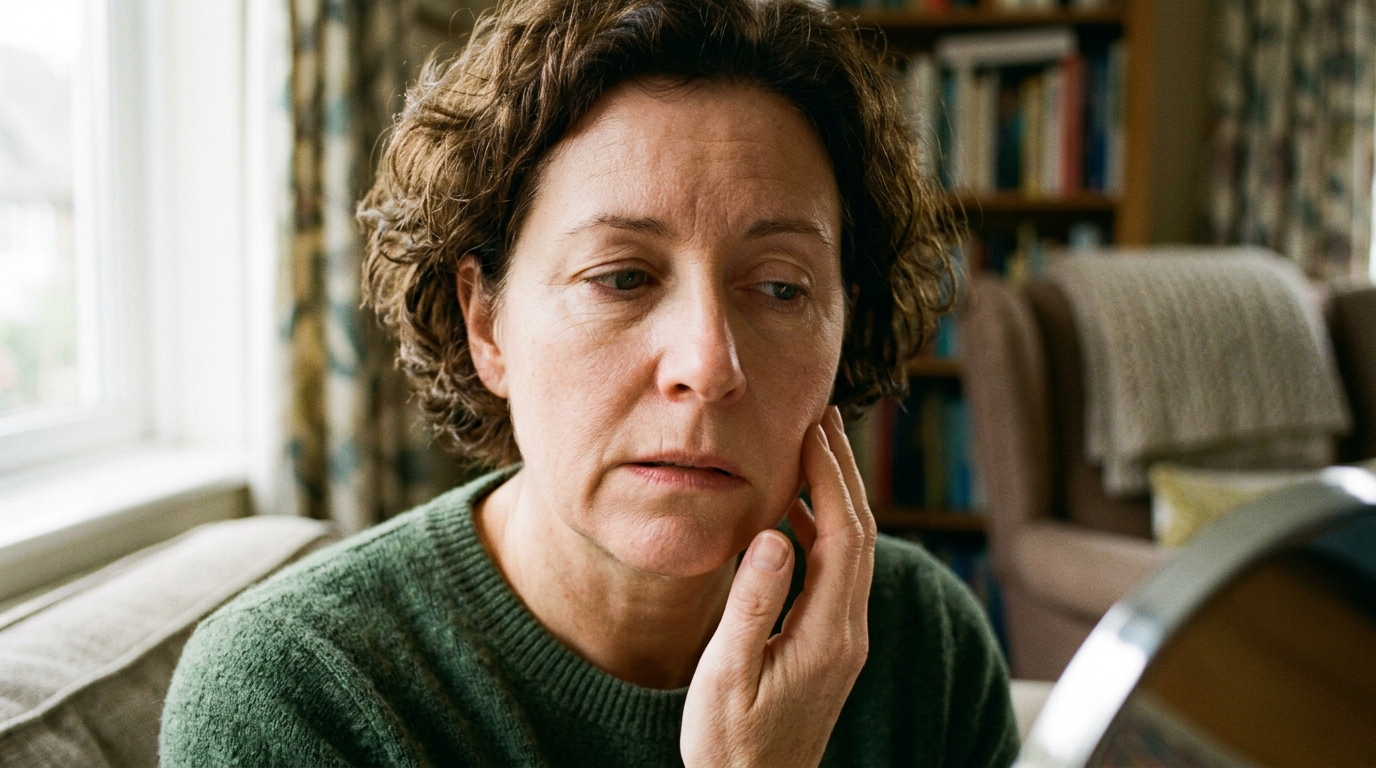
Understanding Bell’s palsy recovery signs and the general path helps set realistic expectations. Recovery happens differently for everyone. In many people, facial mobility returns gradually, and full improvement can take weeks or months. If progress stalls, a professional evaluation helps map out next steps:
- Mobility. Common Bell’s palsy recovery signs include small movements returning on the affected side, such as smiling, raising an eyebrow, or partially closing an eye.
- Symmetry. As recovery continues, the difference between the two sides often becomes less noticeable, though expressions may not all return at the same pace.
- Longer cases. The question of Bell’s palsy recovery after 2 years comes up for a smaller group of patients and needs an individual assessment. If weakness or asymmetry remains after two years, that’s a good reason to seek professional evaluation.
- Duration. Some people recover within a few months, while others have residual weakness for longer. If there’s no improvement, a doctor may revisit the diagnosis and next steps.
Exercises and Therapy to Speed Recovery
After the acute phase passes, patience matters most for facial muscle recovery. Don’t force exercises or do them aggressively. Properly chosen Bell’s palsy exercises should match the stage of recovery and follow a medical professional’s guidance, especially when weakness persists.
- Facial movement. Light movements of the eyebrows, lips, and cheeks help patients gradually regain control, done slowly and without pain.
- Guided therapy. Bell’s palsy physical therapy includes individually chosen exercises and coordination work, depending on how much nerve function has returned and which symptoms remain.
- Eye focus. Controlled eyelid movements may be part of a program when a specialist deems them appropriate, without overworking an eye still struggling to close fully.
- Consistency. Facial exercises for Bell’s palsy only help when done correctly and regularly. More repetitions don’t mean faster recovery. Quality and control matter more than volume.
When to See a Neurologist at Lone Star Neurology
Sudden weakness on one half of the face should always be taken seriously. Patients shouldn’t try to self-diagnose without a specialist’s support, since Bell’s palsy generally has a favorable prognosis but can resemble other neurological conditions closely enough to need proper evaluation. Consistent Bell’s palsy self-care paired with a doctor’s exam is the foundation of a good recovery. If you’re also noticing numbness or tingling that doesn’t fit the usual facial weakness pattern, mention it during your visit, too.
Patients should seek help in the following situations:
- Immediately. If weakness in the arms or legs, or a speech disorder, shows up alongside a drooping face, don’t wait for a scheduled appointment. It needs emergency attention right away.
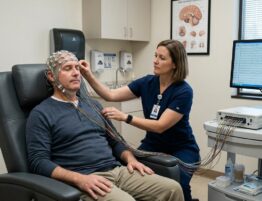
- Diagnosis. A neurologist evaluates facial movement, muscle strength, sensation, and other neurological functions, sometimes recommending Bell’s palsy physical therapy to support recovery and pin down what’s really going on beneath the symptoms.
- Eye care. Not being able to close the eye fully is also a good reason not to delay care, since protecting the surface of the eye remains important throughout the period of weakness.
- Slow recovery. If facial function doesn’t return at the expected pace, a follow-up consultation helps assess why the course is taking longer than usual, and a doctor may prescribe specific Bell’s palsy exercises based on the individual case.
For anything beyond a routine follow-up, our neurologists across Texas are ready to help you sort out whether you’re dealing with a normal recovery or something that needs closer attention. You’re welcome to find a Lone Star Neurology location near you and book an appointment once you decide it’s time to have your symptoms properly checked out.
This article is meant to help you understand your symptoms, not replace a medical evaluation. If you notice sudden facial weakness, especially alongside arm weakness, slurred speech, or severe dizziness, please don’t wait it out at home. Seek medical attention right away.