
When we think about staying healthy, we often focus on our hearts, our weight, or our muscles. But the most complex and vital organ we have is the one sitting right between our ears. Topics like brain health and Alzheimer’s are quickly becoming some of the most important conversations in modern medicine – and for good reason. Our brain controls everything from our heartbeat to our most cherished memories, yet most of us take it for granted until something goes wrong.
Prioritizing brain health isn’t something you wait to do in your sixties. It’s a lifelong investment. Just as you contribute to a retirement fund for your financial future, you need to build your “cognitive reserve” for your mental future. Whether you’re in your twenties or your fifties, the choices you make today – what you eat, how much you move, how well you sleep, and how hard you challenge your mind – create a buffer against future damage.
Globally, concern about rising rates of dementia is growing fast. As our population ages, the fear of losing mental sharpness – or even one’s sense of identity – is very real. Protecting our neurons is no longer just a matter of medical curiosity. It is a necessity for a high quality of life, and we must treat mental longevity as a core pillar of our overall well-being.
Understanding Alzheimer’s Disease and Its Impact
Alzheimer’s disease is far more than just “getting forgetful.” It is a progressive condition in which the brain’s nerve cells gradually break down and eventually die. It typically begins in the region of the brain responsible for learning and memory. As it spreads, it affects everything from speech to physical coordination. The connection between brain health and Alzheimer’s is undeniable – a healthier brain environment can often slow the onset of these devastating changes.
The impact of this disease stretches far beyond the patient. Alzheimer’s is often called a “family disease” because the emotional, physical, and financial toll on caregivers is enormous. Watching a loved one slowly lose their sense of self is a unique and heartbreaking kind of grief. On a larger scale, society faces a massive challenge in providing adequate care and resources for the millions of people living with this condition – a strain that touches healthcare systems, workplaces, and families in profound ways.
The Early Signs and Symptoms of Alzheimer’s
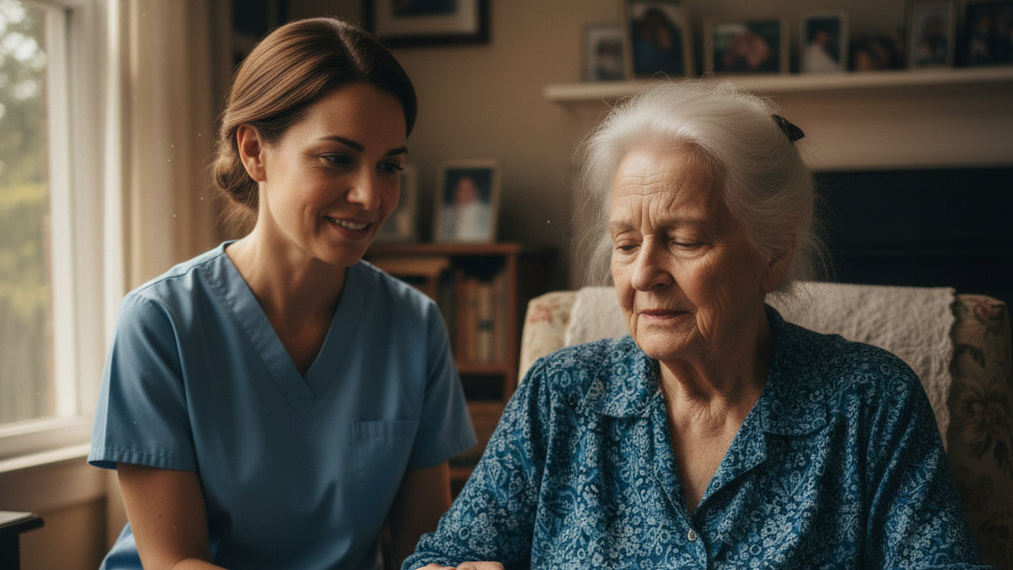
Recognizing the early warning signs of neurodegenerative diseases like Alzheimer’s is critical because it allows families to plan and seek help before a crisis hits. Everyone misplaces their keys from time to time, but Alzheimer’s is different. Its symptoms interfere with daily life and follow a pattern of decline rather than isolated mistakes.
Common early signs include:
- Memory loss that disrupts daily routines, such as forgetting recently learned information or repeating the same questions.
- Confusion with time or place, like losing track of dates, seasons, or where they are.
- Difficulty completing familiar tasks, such as driving to a grocery store they’ve visited for years or following a longtime recipe.
- Trouble with words – stopping mid-sentence, struggling to find the right word, or having difficulty following a conversation.
- Poor judgment or decision-making, including unusual changes in mood, personality, or social withdrawal.
Early intervention is a game-changer. While there is still no traditional cure for this neurodegenerative disease, identifying it early means patients can begin therapies that manage symptoms and improve quality of life. It also gives individuals a voice in their own future care decisions while they are still cognitively able to make them. Early detection also allows doctors to address co-existing conditions like depression or sleep apnea that can accelerate cognitive decline.
Cognitive Decline Prevention: What Can We Do?
The idea that our genes seal our brain’s fate is a myth. While genetics does play a role, lifestyle choices carry enormous weight. Cognitive decline prevention requires a well-rounded approach that keeps the mind sharp over time. Think of your brain like a muscle – if you don’t use it, you lose it. The brain has remarkable “plasticity,” meaning it can form new connections even as we age.
Here are some of the most effective strategies to protect your mind:
- Mental stimulation. Learn a new language, pick up a musical instrument, or work through complex puzzles regularly.
- Physical activity. Exercise increases blood flow to the brain and promotes the growth of new brain cells.
- Smart nutrition. Diets rich in antioxidants, healthy fats like Omega-3s, and leafy greens – often called the MIND diet – have been shown to lower Alzheimer’s risk.
- Social connection. Staying engaged with friends and community keeps the brain active and reduces the chronic stress that damages neurons over time.
- Quality sleep. Sleep is when the brain flushes out metabolic waste, including the proteins associated with Alzheimer’s.
Effective cognitive decline prevention also means managing blood pressure and diabetes. What is good for the heart is almost always good for the brain. Chronic inflammation and high blood sugar are enemies of brain cells, so keeping these in check is one of your most powerful lines of defense.
The Role of Neurodegenerative Diseases in Alzheimer’s Development
Alzheimer’s doesn’t exist in isolation. It belongs to a larger family of neurodegenerative diseases that includes Parkinson’s, Huntington’s disease, and ALS. These conditions share a common thread: the progressive loss of neuronal structure or function. Researchers are increasingly finding that these diseases overlap in surprising ways. For example, some individuals have what is called “mixed dementia,” where both Alzheimer’s-related changes and vascular damage are present at the same time – complicating both diagnosis and treatment.
A major focus of current research involves “misfolded proteins.” In Alzheimer’s disease, the amyloid and tau proteins are involved. By studying how these proteins behave across different diseases, scientists are uncovering clues that could benefit patients across the board. If researchers can figure out how to stop a protein from clumping in one disease, it may unlock breakthroughs in preventing Alzheimer’s and other related conditions. Brain inflammation is another critical area of study, as the immune system’s response can sometimes cause more harm than good.
The latest Alzheimer’s treatments being developed target these very processes. Rather than simply masking symptoms, these new therapies aim to clear harmful buildup from the brain and stop neurodegeneration before it causes permanent damage. This shift toward disease-modifying treatment represents a fundamental change in how we approach brain aging.
Current Treatments for Alzheimer’s: What’s Available?
If you or a loved one receives a diagnosis today, the landscape of options is broader than it was even a decade ago. For many years, Alzheimer’s treatments were largely limited to medications that helped brain cells communicate more effectively. These drugs don’t stop the underlying disease, but they can support memory and thinking for a meaningful period of time by boosting levels of chemical messengers depleted by the condition.
Non-drug therapies also make a real difference in daily life and are a cornerstone of quality memory care:
- Cognitive Stimulation Therapy. Participating in themed activities designed to keep the mind engaged and active.
- Occupational Therapy. Helping patients adapt to their home environment so they can remain independent longer.
- Behavioral Interventions. Addressing sleep problems, anxiety, and agitation without relying on heavy sedation.
- Reminiscence Therapy. Using sensory triggers like photographs, music, and familiar scents to stimulate positive memories and improve mood.
We are now in a new era of medicine. Recent years have seen the approval of disease-modifying therapies – intravenous infusions designed to remove amyloid plaques from the brain. They aren’t a cure or a reset button, but they represent the first time science has actually been able to slow the progression of Alzheimer’s. That is a monumental step forward from simply managing symptoms, and it offers patients more precious time with the people they love.
The Future of Alzheimer’s Care and Prevention
The future of fighting this disease lies in the intersection of advanced medicine and compassionate memory care. In the coming years, we expect a shift toward highly personalized treatment – much like how we now treat different types of cancer with targeted therapies, we will likely treat Alzheimer’s based on a person’s specific genetic and biological profile. Digital health tools that monitor cognitive performance via smartphone apps are already emerging and will become far more sophisticated.
The model of memory care is also evolving. We are moving away from sterile, institutional environments toward “dementia villages” and home-based care models that emphasize dignity, purpose, and independence. Technology will play a major role here – AI-driven sensors can already detect if a patient has fallen or if their behavior has shifted in meaningful ways, allowing people to stay safely in their own homes for longer. This approach focuses on a person’s strengths rather than cataloging only their deficits.
Perhaps most exciting is ongoing research into blood tests for early detection. Imagine being able to assess your risk for Alzheimer’s twenty years before the first symptom appears – through a simple blood draw at your annual check-up. This kind of breakthrough would allow for sweeping lifestyle changes and early prevention of Alzheimer’s interventions that could genuinely alter the course of the disease. Brain health and Alzheimer’s research are advancing faster than ever before. The landscape of aging is changing, and while the challenge is immense, the hope has never been greater. We are slowly turning what was once a devastating, hopeless diagnosis into something far more manageable – and that changes everything.
 (No Ratings Yet)
 Loading...







I've given up... the stress her office staff has put me through is just not worth it. You can do so much better, please clean house, either change out your office staff, or find a way for them to be more efficient please. You have to do something. This is not how you want to run your practice. It leaves a very bad impression on your business.
Please, leave your review
Write a comment: