
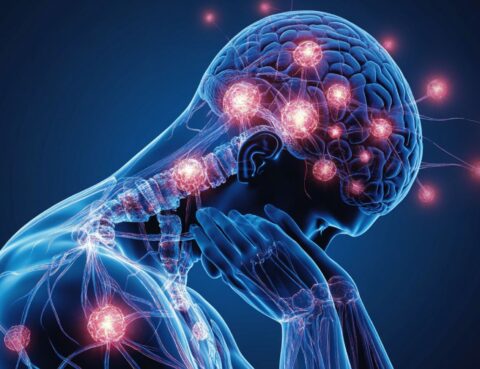
Chronic pain affects millions of people worldwide and can last for months or even years. Unlike acute pain that serves as a warning signal, chronic pain often continues long after the original injury has healed. Understanding the neurological causes of chronic pain helps patients and doctors develop more effective treatment plans. The nervous system plays…
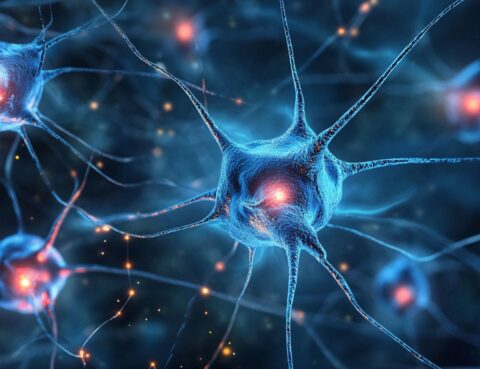
The human brain possesses a remarkable and awe-inspiring ability: the capacity for change and adaptation throughout life. This phenomenon, known as neuroplasticity, represents the brain’s ability to reorganize itself by forming new neural connections. For decades, scientists believed the brain was a static, unchangeable organ after reaching a certain age. We were taught that once…
Neurological conditions significantly impact millions of patients worldwide. Modern technologies are fundamentally transforming how we approach brain care and treatment. These rapid developments help doctors track breakthrough discoveries and achieve better patient outcomes. Both hospitals and patients benefit from new diagnostic services that detect diseases earlier than ever before. Digital tools are revolutionizing every stage…
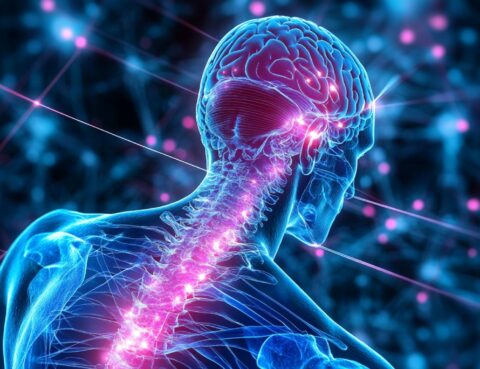
Neuropathy is a condition that affects millions of people, disrupting their daily lives in overwhelming ways. Many people ask: What is neuropathy? It’s a condition involving damage or dysfunction of the nerves. It can cause uncomfortable and sometimes debilitating symptoms. This condition often impacts the peripheral nervous system, which is the network of nerves connecting…

Picture a child who can’t sit still in class, constantly gets distracted by sounds, and can’t tolerate certain clothing fabrics. Parents think: “It’s just ADHD.” But what if there’s something bigger behind these symptoms? ADHD sensory processing overlap is a complex neurological phenomenon that often goes unnoticed even by experienced specialists. The real story of…
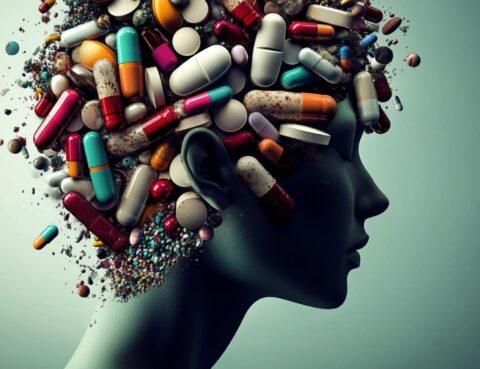
Imagine feeling like lightning is shooting through your brain. Picture electric jolts that make your head feel like it’s being zapped by invisible wires. These terrifying sensations aren’t your imagination. They’re brain zaps antidepressant withdrawal symptoms that millions of people experience when stopping their medication. If you’ve ever tried to quit antidepressants, you know this…

As we age, our immune systems face challenges that require constant restoration. The body’s natural defense mechanisms become less efficient over time. Quality sleep improves overall health and significantly impacts brain function. During sleep, the brain doesn’t simply rest. Instead, it actively processes information and regulates hormones. The brain also consolidates memories and clears metabolic…

While some sounds can be beneficial for the body and promote peace, constant auditory overload can negatively impact brain function. Just as our bodies need rest, our brains also require recovery time. Silence serves as an excellent tool for improving mental clarity and overall cognitive health. Mental clarity silence connections are interconnected and complement each…
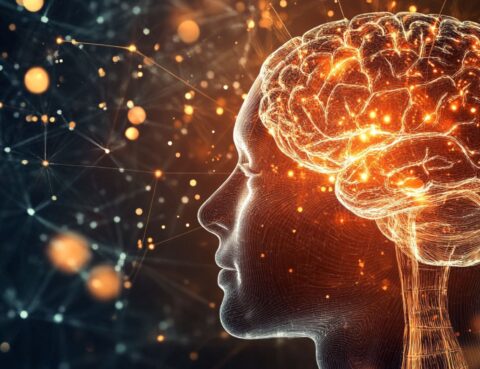
Astrocyte reactivity is the brain’s inflammatory response to injury or stress. This process activates white blood cells that release substances to fight off threats. Though beneficial in brief episodes, persistent inflammation damages brain function. The link between brain inflammation and cognitive decline is increasingly evident. Chronic inflammation damages nerve cells and disrupts communication between them,…

“Old hag” syndrome involves a brief inability to move or speak when falling asleep or upon waking. It can be deeply unsettling. People might sense a strange presence, hear unusual sounds, or feel pressure on their chest. Episodes typically last from seconds to a few minutes and occur during transitions between sleep and wakefulness. Sleep…