

There is a frustrating pattern that plays out for many patients with small fiber neuropathy: burning pain in the feet, strange sensations in the hands, disrupted sleep, and after a complete neurological workup, including an EMG, every result comes back normal. For a long time, that was where the story ended. The condition went unlabeled,…
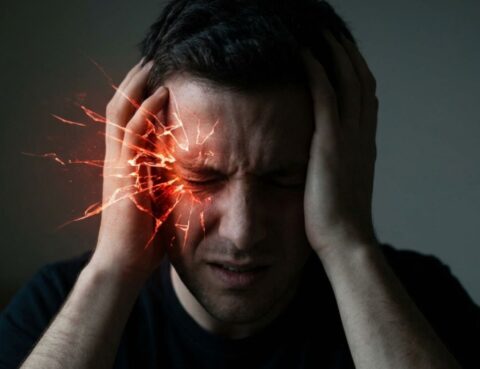
Neurologists describe cluster headaches as one of the most severe pain conditions in all of medicine, and patients who have experienced them rarely need convincing. The attacks arrive abruptly, reach peak intensity within minutes, and produce a level of pain that has earned the condition the informal label “suicide headache.” What defines the condition beyond…
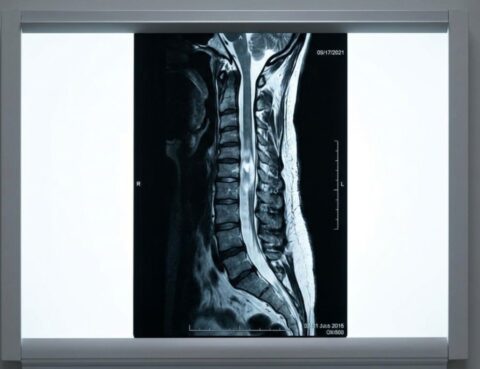
One morning, you wake up with unusual back pain. By afternoon, your legs feel heavy. By evening, you can’t urinate normally, and a band of numbness is spreading up your torso. This is not a pulled muscle or a pinched nerve. This is a neurological emergency – and for patients with transverse myelitis, this compressed…
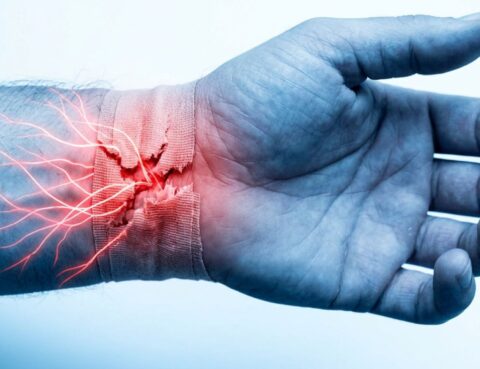
Most pain follows a predictable arc: injury happens, healing occurs, pain subsides. Complex regional pain syndrome breaks that arc entirely. The injury heals, or at least appears to, but the pain doesn’t leave. It intensifies and spreads. A wrist fracture from months ago now produces burning so severe that a shirt sleeve touching the skin…

Imagine being at a work meeting and suddenly bursting into tears, not because you’re sad, but because your brain has lost the ability to regulate the physical expression of emotion. Or laughing uncontrollably at a funeral, fully aware that the reaction doesn’t match what you actually feel inside. For people with pseudobulbar affect, this is…

A sudden jerk of the leg just before falling asleep. An arm that shoots upward without warning while reaching for a coffee cup. A shoulder that twitches unexpectedly, causing embarrassment in a meeting. Most people experience something like this at least once – and most of the time, it means nothing serious. But when myoclonic…

Imagine a regular morning that suddenly feels off. One eye aches when you move it, colors look strangely muted, and your central vision seems like you’re looking through smudged glass. It’s unsettling, and for many people, this is exactly how optic neuritis first announces itself. Not a headache, but not blurry vision from screen fatigue…

The symptoms feel like a brain tumor, relentless headaches, vision disturbances, and pulsating noise in the ears. But when imaging comes back clear, patients are often left confused and undertreated. The condition has a name, a defined mechanism, and effective treatment. Here’s what you need to know. Idiopathic intracranial hypertension is a condition in which…

This article is for informational purposes only and does not replace professional medical advice, diagnosis, or treatment. If you are experiencing neurological symptoms such as persistent headaches, memory problems, numbness, or seizures, please consult a board-certified neurologist. Last updated: May, 2026 Medically reviewed by Ramin Ansari, MD — Board-Certified Neurologist, Lone Star Neurology, Frisco, TX….

This article is for informational purposes only and does not replace professional medical advice, diagnosis, or treatment. If you are experiencing sudden, severe headaches or a change in your typical migraine pattern, please consult a board-certified neurologist. Medically reviewed by the Neurological Team at Lone Star Neurology. The Weather-Migraine Connection: The Trigger: Rapid changes in…