

When it comes to a disease like Alzheimer’s, there is no one-size-fits-all diet cure for treatment. And what works for one person may not work for another. However, some general dietary guidelines can help reduce the disease’s risk. Remember, changing your diet is only one part of an overall plan to reduce your risk of…
Encephalitis is a complex disease associated with inflammation of the human brain. Often referred to as a viral infection, the disease can be caused by bacteria, parasites, fungi, or autoimmune diseases. In addition, encephalitis can also appear due to severe head trauma, such as after an accident or severe bruising, or as a result of…

After a stroke, the majority of people suffer from communication issues. These impairments can include slurred speech, difficulty finding the right word, or trouble organizing thoughts when speaking. Types of speech disorders include dysarthria and aphasia. Dysarthria may make it hard to communicate clearly or softly. It can also affect the pitch, volume, or rate…

The main goal of rehabilitation after a stroke is to restore those skills that a person has lost. It can improve the quality of life significantly and avoid a second blow. Caring for someone who has had a stroke can be very demanding. But there are some basic tips on how to care for a…
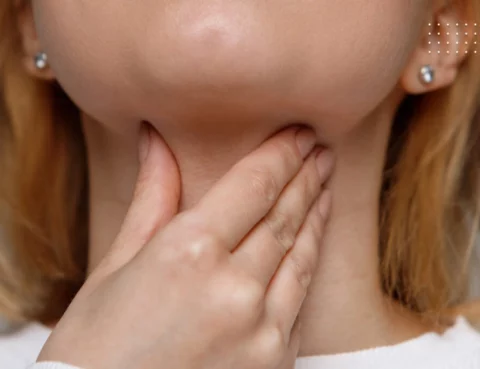
Parkinson’s syndrome is a degenerative disease of the central nervous system. Another name for this condition is shaking palsy. It occurs more often in older people and males. It is characterized by a gradual decline in motor function. Everything that happens to a person with Parkinson’s affects their articulatory system. More than half of patients…
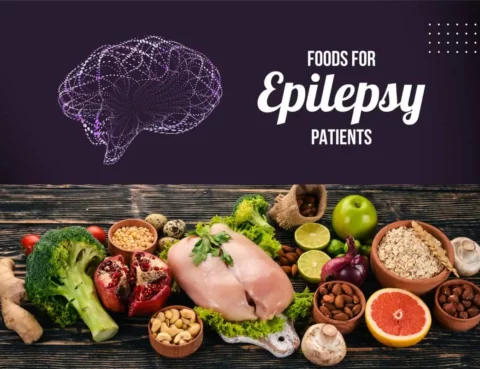
Epilepsy is a severe chronic brain disease or a neurological disorder characterized by frequent seizures. These can be convulsions, hallucinations, loss of consciousness, panic, unexpected aggression, mood swings, and other symptoms. Drug therapy is used to treat this disease. But this is not enough to maintain health, so an epilepsy diet is always prescribed for…
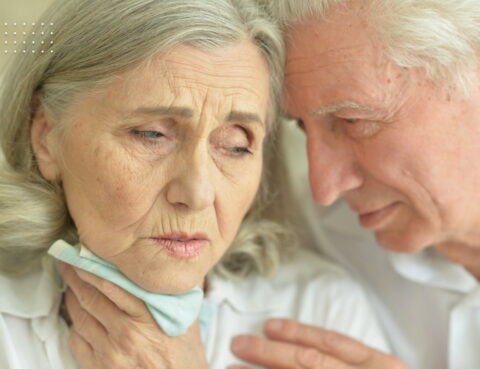
Neurology is one of the most mysterious branches of medicine. However, doctors can solve the most challenging diseases with modern medical methods and the latest technologies. One of these disorders is Alzheimer’s disease which can change our brain. This disease can happen to each of us. After all, it appears regardless of age, gender and…
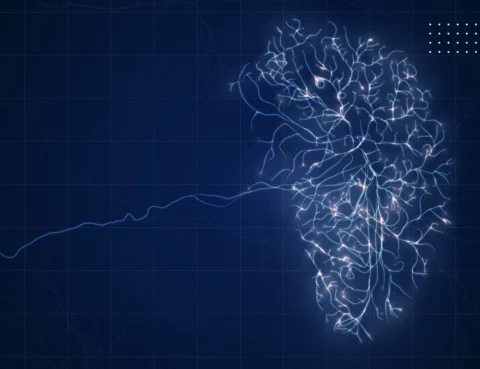
Parkinson’s disease (PD) is a degenerative disease of the central nervous system that often impairs motor and non-motor functions. It can range from mild to severe and significantly affect the quality of life. Dysphagia, or difficulty swallowing, is one of the most common non-motor symptoms of Parkinson’s disease. Initially, people with Parkinson’s may not even…
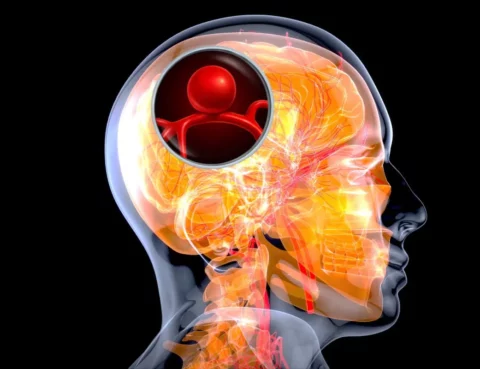
Are you curious about what is a brain aneurysm and how it can affect your health? Get ready to unravel the mystery behind this silent threat. A brain aneurysm is like a hidden time bomb in your head. Therefore, understanding its causes, signs, and symptoms is crucial to your well-being. Imagine that your brain is…
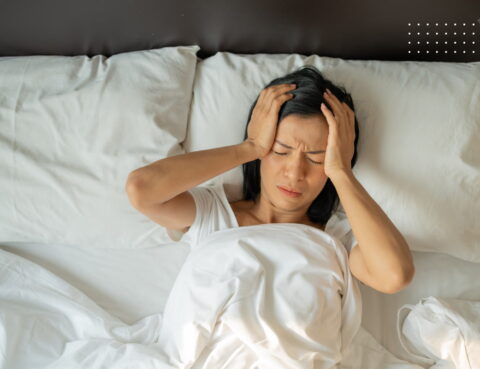
Headaches after both hemorrhagic and ischaemic strokes are typical symptoms that go away within 72 hours after stroke, although some cases allow for up to 7 days. Neurologists explain this syndrome as quite a natural consequence of a vascular catastrophe. The cause of these post-stroke headaches, which is the most common secondary headache in elderly…