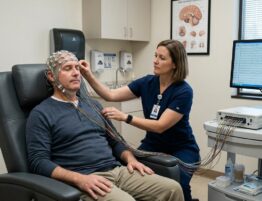

Head injuries in elderly adults are never something to brush aside. What might look like a minor bump or brief fall can turn into a serious medical problem days later. Aging changes the brain, blood vessels, and recovery process in ways that make seniors far more vulnerable to complications after head trauma. Families often assume that if their loved one didn’t lose consciousness or seems “okay” afterward, there’s nothing to worry about. This assumption can be dangerous.
As people age, the brain shrinks slightly and becomes more sensitive to movement inside the skull. Blood vessels become thinner and more prone to rupture. Many older adults also take medications like blood thinners or antiplatelet drugs for heart disease, atrial fibrillation, or stroke prevention. These medications significantly increase the risk of internal bleeding after a fall or head injury, even when there’s no visible wound.
Falls are the leading cause of head injuries in elderly adults. A slip in the bathroom, a missed step, or a stumble outdoors can all result in head trauma. Unlike younger people, seniors may not feel symptoms right away. Head trauma red flags like confusion, balance changes, or behavior shifts may appear hours or even days later.
Early evaluation matters. Prompt care at a neurology clinic or emergency department can prevent complications like brain bleeds or cognitive decline. Families must know when to go to the ER for a head injury. If there’s any doubt after a fall or head injury in an older adult, medical care should never be delayed.
Why Head Injuries Are More Dangerous for Seniors
Older adults face unique risks when it comes to head trauma because aging affects balance, strength, and brain structure. Many seniors have weaker muscles and slower reflexes, making it harder to catch themselves during a fall. Vision and depth perception decline with age, increasing the chance of tripping or misjudging steps. These factors combine to raise fall rates significantly among older adults.
Loss of bone density also contributes to injury risk. Osteoporosis makes bones more fragile, but even without fractures, the brain can still suffer damage from sudden impact. The aging brain has more space inside the skull, allowing it to shift during trauma. This movement stretches veins, which can tear and cause subdural hematomas – slow bleeds that may produce symptoms days or weeks after the initial fall.
Medications are another major concern. Blood thinners and antiplatelet drugs interfere with clotting, prolonging bleeding time. What starts as a mild concussion in seniors can progress into a serious condition because bleeding is harder to stop. High blood pressure and diabetes can further complicate recovery.
Older adults may also downplay their symptoms. Many believe dizziness, fatigue, or memory trouble are just normal parts of aging. Some worry about losing independence if they admit something is wrong. Because of this, families must remain alert after any fall or head injury and seek prompt medical evaluation.
Subtle Red Flags Families Often Miss After a Fall
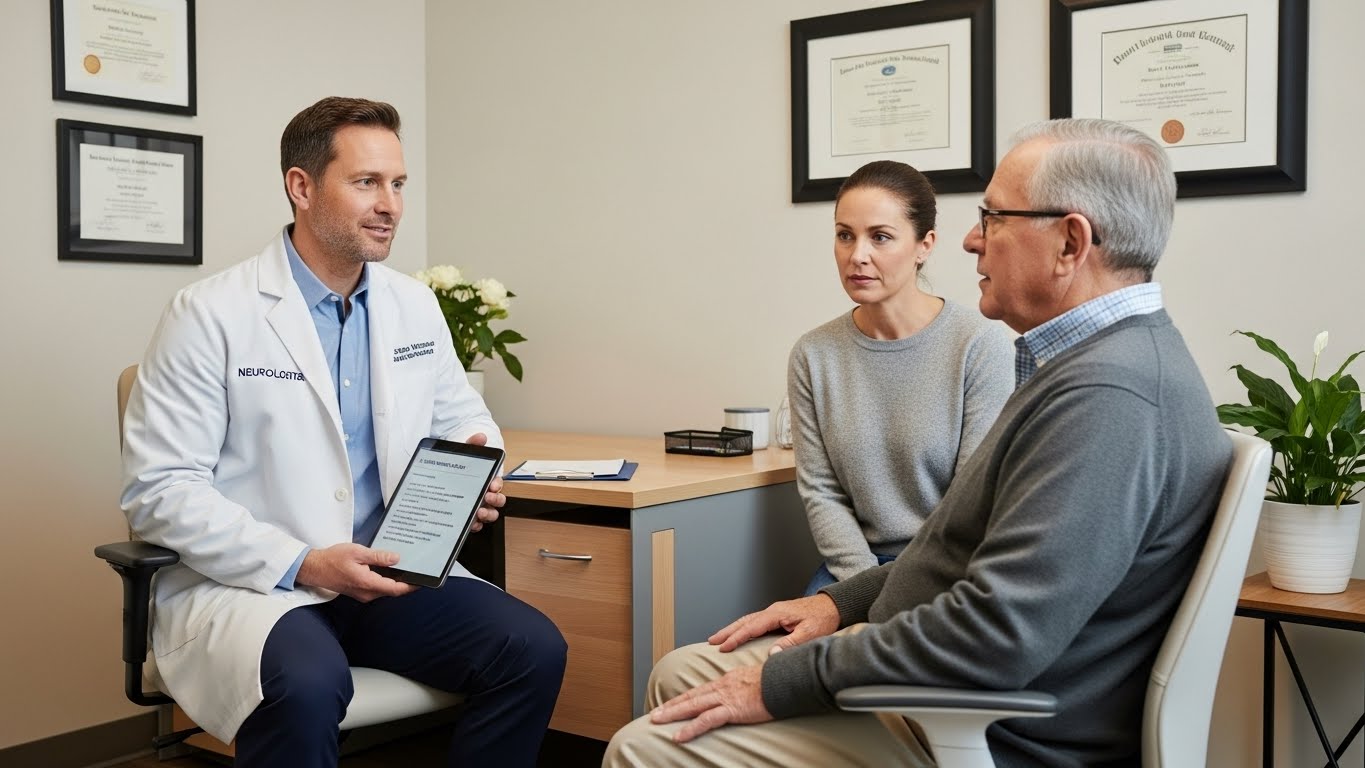
After a fall, warning signs of head trauma aren’t always obvious. Some of the most serious head trauma red flags appear quietly and worsen over time. These changes may seem minor, but they can signal a concussion or internal bleeding.
Early symptoms that families often overlook include:
- Mild but persistent headache
- Confusion or trouble following conversations
- Slower responses to questions or instructions
- Mood changes like irritability, anxiety, or withdrawal
- Unsteady walking or new balance problems
- Increased fatigue or changes in sleep patterns
Concussions in seniors often show up as changes in behavior rather than dramatic pain. A normally talkative person may become quiet. Someone who’s usually independent may suddenly need help with simple tasks. Because these signs can overlap with dementia or medication side effects, they’re often dismissed. Any change after a fall head injury deserves attention and monitoring over several days.
Severe and Emergency Symptoms: When to Go to the ER Immediately
Some symptoms after head trauma require urgent care. Families should know exactly when to go to the ER for a head injury and not wait for symptoms to pass on their own. Delayed treatment can lead to permanent damage or death.
Emergency symptoms that require immediate medical attention include:
- Loss of consciousness, even briefly
- Repeated vomiting or nausea
- Worsening or severe headache
- Weakness or numbness on one side of the body
- Slurred speech or trouble understanding others
- Seizures
- Extreme drowsiness or difficulty waking
- Clear fluid leaking from the nose or ears
These signs often indicate serious brain injury, bleeding, or swelling. Even if symptoms improve, emergency evaluation is still necessary. Families should never hesitate to seek urgent care. Acting quickly after head trauma can prevent life-threatening complications.
How Neurologists Diagnose Head Injuries in Older Adults
Diagnosing head injuries in elderly patients requires careful evaluation. Symptoms can be delayed, vague, or easily confused with other health conditions. Neurologists begin with a thorough medical history, including how the fall happened, whether the head struck anything, and what symptoms followed. Family observations are especially valuable because seniors may not remember the event clearly.
A neurological exam checks alertness, memory, speech, vision, strength, sensation, and coordination. Balance testing is a key part of the evaluation after a fall head injury. Even subtle changes in gait or posture can reveal underlying brain injury. Cognitive screening helps detect problems with attention or short-term memory that may not be obvious in casual conversation.
Imaging is often needed. CT scans are commonly used to quickly detect bleeding or fractures. Older adults, especially those on blood thinners, are more likely to need imaging even when symptoms appear mild. MRI scans provide more detailed views and may be used if symptoms persist or worsen.
Neurology clinics also focus on follow-up care. Some injuries develop over time, and delayed bleeding is a real risk in seniors. Regular monitoring allows doctors to catch changes early and adjust treatment plans. Personalized care helps ensure safer recovery from concussions in seniors and other forms of head trauma.
Treatment Options and Safe Recovery Plans for Seniors
Treatment after a head injury in elderly adults depends on injury severity and overall health. Mild concussions usually require careful rest and symptom monitoring rather than strict bed rest. The goal is to reduce strain on the brain while allowing gentle activity as tolerated.
Pain management is handled carefully. Acetaminophen is often preferred because it doesn’t increase bleeding risk. Neurologists review all medications and may temporarily adjust blood-thinning or blood-pressure medications. Managing blood pressure is important, as high blood pressure can worsen bleeding.
Recovery plans for concussions in seniors often include:
- Limiting screen time and loud environments
- Monitoring memory, mood, and balance daily
- Gradual return to routine activities
- Avoid driving or risky activities until cleared
- Follow-up visits for neurological reassessment
Nutrition, hydration, and sleep quality also affect recovery. Seniors recovering from head trauma may need support in maintaining regular meals, adequate fluids, and consistent sleep routines. Poor nutrition or dehydration can worsen dizziness, confusion, and fatigue, slowing the healing process.
For more serious injuries, hospitalization or surgery may be needed to relieve pressure or stop bleeding. Rehabilitation services, like physical or cognitive therapy, help seniors regain function and confidence. Professional guidance reduces the risk of long-term effects like chronic headaches, dizziness, or cognitive decline.
Preventing Future Injuries: Protecting Your Loved One from Another Fall
After a head injury, preventing another fall becomes a priority. One fall increases the likelihood of another, especially if balance or confidence has been affected. Families play a major role in creating a safer environment.
Home modifications reduce risk significantly. Removing tripping hazards, improving lighting, and adding grab bars can make a big difference. Vision and hearing checks help correct sensory issues that affect balance. Medication reviews can identify drugs that cause dizziness or low blood pressure.
Balance and strength training improve stability and confidence. Physical therapy helps seniors move safely and rebuild trust in their bodies. Mobility aids should be seen as protection, not a loss of independence.
After any fall head injury, scheduling follow-up care at a neurology clinic helps ensure proper recovery and prevention planning. Acting early protects long-term health and quality of life.
Head injuries in elderly adults are serious, even when symptoms seem mild. Knowing head trauma red flags and understanding when to go to the ER for a head injury can save lives. Families who stay alert, seek early evaluation, and focus on prevention give their loved ones the best chance for safe recovery and continued independence.