

The room starts spinning, your heart pounds against your ribs. Your vision narrows to a tunnel as you grab onto the nearest surface, trying to stay upright. This isn’t dramatic exaggeration – it’s the daily reality for people with postural orthostatic tachycardia syndrome.
POTS belongs to a family of autonomic nervous system disorders that sabotage the body’s ability to regulate blood flow during position changes. While occasional lightheadedness might seem trivial, persistent problems with orthostatic intolerance signal deeper cardiovascular dysfunction. Young women make up the majority of diagnosed cases, though anyone can develop these conditions.
Recognition of POTS has surged in recent years, partly because long COVID research has highlighted autonomic complications. The condition disrupts involuntary body processes that most people never think about – heart rate regulation, blood pressure maintenance, and blood vessel constriction all happen automatically. Proper diagnosis opens pathways to management strategies that can restore functionality and confidence.
The impact reaches beyond physical symptoms. Simple activities become calculated risks – standing in line, attending events, or maintaining employment all require careful planning. Friends and family may struggle to understand these invisible symptoms, making medical validation incredibly relieving. Knowing there’s a name and treatment plan for what you’re experiencing changes everything.
Understanding POTS and Orthostatic Intolerance
The autonomic nervous system operates as your body’s autopilot, managing functions that happen without conscious thought. Heart rate adjustments occur automatically, blood vessel diameter changes constantly, and blood pressure regulation continues around the clock. When you stand up, immediate compensatory responses kick in – leg vessels constrict, heart rate increases slightly, and blood pressure stabilizes.
Postural orthostatic tachycardia syndrome disrupts this process. Your heart rate spikes dramatically, rising 30 beats per minute or more within ten minutes of standing, while blood pressure remains relatively stable or drops only minimally. This pattern distinguishes POTS from simple orthostatic hypotension, where blood pressure plummets and heart rate responses differ.
Consider everyday scenarios that become significant obstacles: standing in a grocery checkout line on a warm afternoon, taking a hot shower, or getting out of bed after a full night’s sleep. For someone with POTS, these activities can trigger cascading symptoms – the heart pounds, legs tremble, nausea overwhelms, and cognitive fog makes thinking feel like wading through mud.
Autonomic dysfunction creates a fundamental mismatch: your body needs one thing but delivers another. Blood pools in your lower extremities instead of circulating properly to the brain. Your heart races trying to compensate, but inadequate blood volume reaches vital organs. To external observers, nothing looks wrong, but the person experiencing it feels profoundly unwell.
Common POTS Symptoms and How They Affect Daily Life

A rapid heartbeat often strikes first – the pounding sensation feels completely disproportionate to simply standing up. But POTS symptoms and treatment considerations extend far beyond cardiac symptoms:
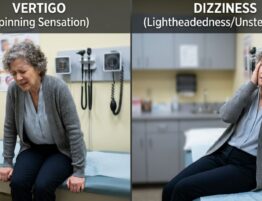
- Dizziness and lightheadedness: Feeling faint or unsteady, particularly when upright
- Brain fog: Difficulty concentrating, remembering details, or following conversations
- Crushing fatigue: Exhaustion that rest doesn’t relieve
- Nausea: Often worse in the mornings or after standing
- Visual disturbances: Tunnel vision, spots, or dimming sight
- Tremulousness: Shakiness resembling the jitters from too much caffeine
Symptoms fluctuate unpredictably. Temperature extremes worsen them, dehydration triggers flares, menstrual cycles influence severity, and stress amplifies every complaint. This variability confounds those unfamiliar with autonomic nervous system disorder conditions – family members, employers, and friends often struggle to understand.
Who Is Most at Risk for Developing POTS?
Postural orthostatic tachycardia syndrome particularly affects young women, with the typical age range spanning adolescence through the thirties, though age and gender don’t guarantee immunity. Women represent 80-90% of diagnosed cases, and hormonal factors likely contribute to this disparity, which researchers continue investigating.
Viral illnesses frequently precede POTS onset – patients often report never fully recovering after mononucleosis, influenza, or other infections. COVID-19 has particularly spotlighted autonomic dysfunction, with some long COVID patients developing POTS symptoms. Autoimmune conditions often coexist with POTS, including Ehlers-Danlos syndrome and mast cell activation syndrome, suggesting shared underlying mechanisms.
Prolonged bed rest can precipitate the condition, as deconditioning plays a significant role. Athletes sidelined by injuries sometimes develop orthostatic intolerance as their cardiovascular fitness declines. Pregnancy occasionally triggers symptoms that may or may not resolve postpartum. Major surgeries, physical trauma, and severe emotional stress can all serve as catalysts.
Early recognition helps prevent progression. If you’re persistently feeling dizzy when standing up, experiencing an unexplained rapid heart rate, or having sudden energy crashes, these warrant medical attention. The condition doesn’t resolve on its own, and timely intervention prevents worsening disability.
Causes and Mechanisms of Autonomic Nervous System Disorders
The autonomic nervous system controls involuntary processes – digestion, temperature regulation, sweating, pupil adjustment, and circulation, all of which function independently. Two branches coordinate these functions: the sympathetic system handles “fight or flight” responses, while the parasympathetic system manages “rest and digest” activities.
When you stand up, gravity pulls blood downward. Baroreceptors detect reduced blood return to the heart and signal compensatory changes – blood vessels in your lower extremities constrict, heart rate increases, and blood pressure adjusts. These adjustments happen within seconds, and when functioning normally, you don’t even notice them.
Autonomic nervous system disorder conditions disrupt this communication. Signals misfire, blood vessels fail to constrict properly, and the heart overcompensates with excessive rate increases. Picture electrical wiring where flipping one switch triggers unpredictable responses – lights flicker, appliances malfunction, and outlets fail. That’s how autonomic dysfunction operates.
Severity varies widely across conditions. Some people experience mild symptoms while others face debilitating limitations. Researchers are studying genetic factors, environmental triggers, and potential immune system dysfunction that may contribute. Understanding these mechanisms helps develop better treatments as scientists continue exploring potential interventions.
Postural orthostatic tachycardia syndrome isn’t the only manifestation of autonomic dysfunction. Neurocardiogenic syncope causes fainting through different mechanisms where heart rate and blood pressure drop simultaneously. Multiple system atrophy combines autonomic failure with progressive movement disorders. Pure autonomic failure involves gradual autonomic deterioration without other neurological symptoms.
Diagnosing POTS and Related Conditions
Getting diagnosed often requires persistence. Many patients spend months hearing their symptoms dismissed as anxiety, panic disorder, or simple dehydration before receiving an accurate diagnosis. Standard medical tests typically return normal results – blood work looks fine, electrocardiograms show nothing abnormal, and chest X-rays appear clear. The problem only reveals itself under specific circumstances.
A thorough medical history provides initial clues. When symptoms occur, what triggers them, how long they last, and what relieves them all matter. Family history offers additional information, as autonomic dysfunction sometimes runs in families. Recent viral illnesses, autoimmune conditions, and joint hypermobility all provide important clues.
The tilt-table test represents the diagnostic gold standard. You lie flat on a specialized table while staff monitor your heart rate and blood pressure, then the table tilts upward to approximately 70 degrees to simulate standing. Postural orthostatic tachycardia syndrome (POTS) diagnosis requires your heart rate to increase by at least 30 beats per minute (sometimes reaching 120+ beats per minute) within 10 minutes of tilting, without a significant drop in blood pressure.
Both neurologists and cardiologists manage conditions of the autonomic nervous system, depending on specific presentations. If you have persistent symptoms, ask potential providers about their experience with POTS and orthostatic intolerance. Accurate diagnosis enables targeted treatment that addresses root causes rather than just isolated symptoms.
Treatment and Management Options for POTS
No single medication cures postural orthostatic tachycardia syndrome, but comprehensive approaches that combine lifestyle modifications with medical interventions can dramatically improve outcomes. Treatment typically begins with foundational interventions:
- Fluid and salt intake: Your body requires adequate blood volume for proper functioning, and many POTS patients have lower-than-normal blood volume. Drinking 2-3 liters of water daily helps, and increased sodium consumption (targeting 6-10 grams daily under medical supervision) expands blood volume and improves circulation. Salt tablets, electrolyte beverages, and liberally salted foods all contribute.
- Compression garments: Waist-high compression stockings (with pressure of at least 20-30 mmHg) and abdominal binders prevent blood pooling by physically squeezing blood vessels, helping move blood flow toward the heart and brain. While these garments may pose aesthetic challenges, they enable normal functioning for many patients.
- Physical reconditioning: Exercise can trigger symptoms, but deconditioning worsens them – creating a frustrating catch-22. The solution involves starting gradually with recumbent or semi-recumbent activities, such as rowing machines, recumbent bikes, or swimming. These strengthen your cardiovascular system without requiring prolonged upright posture, and tolerance improves over weeks and months.
When symptoms persist despite lifestyle measures, medications can help:
- Beta-blockers: Slow heart rate and reduce palpitations
- Fludrocortisone: Enhances salt retention and expands blood volume
- Midodrine: Constricts blood vessels and improves blood pressure maintenance
- Ivabradine: Reduces heart rate without affecting blood pressure
Finding the right medication combination requires trial and adjustment under medical supervision. POTS symptoms and treatment responses vary between individuals, but most people find significant relief. Contact Lone Star Neurology to begin understanding your condition and discover effective treatment approaches. Autonomic nervous system disorder conditions don’t have to relegate you to the sidelines – effective help is available.

 (143 votes, average: 4.54 out of 5)
 Loading...






I've given up... the stress her office staff has put me through is just not worth it. You can do so much better, please clean house, either change out your office staff, or find a way for them to be more efficient please. You have to do something. This is not how you want to run your practice. It leaves a very bad impression on your business.
Please, leave your review
Write a comment: