

Tremor is one of the most common symptoms that occur alone or in combination with other symptoms various lesions of the nervous system, as well as often accompanying endocrine, somatic diseases, and various intoxications. An international research group defines tremors as rhythmic mechanical oscillations in at least one functional body area. There are two main…

This sleep malady poses significant challenges to affected patients. It impacts daily functioning and quality of life. We celebrate the first anniversary of our exploration into medical advancements and breakthroughs. It is fitting to delve into the evolving landscape of hypersomnia treatment options. Understanding the multifaceted nature of malady is crucial in navigating potential interventions….

Spinal stenosis is a chronic pathological process characterized by a decrease (narrowing) in the size of the spinal canal and intervertebral foramen due to the growth of bones and cartilage. According to the norms, the sagittal (anteroposterior) size of the spinal canal at the lumbar level is 15-25 mm, the transverse size is 26-30 mm….
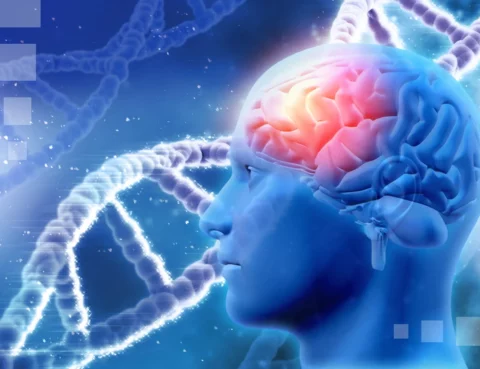
A frontal syndrome is a painful condition of the human body, manifested in the form of a clinical symptom complex, localized during a double violation of the anterior parts of the brain (frontal lobe). The disease manifests itself in abnormalities of praxis, disorders of the emotional-volitional and behavioral nature, problems in the work of the…
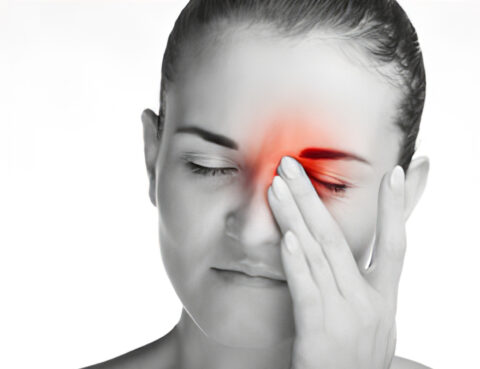
Retinal migraine is characterized by the presence of an aura with visual disturbances, which appears before the onset of headache pain. Also, visual problems can appear in the patient without a subsequent attack of headache. In this case, they can persist for more than 2 weeks. Treatment of the disease is symptomatic. To exclude the…

Camptocormia is a neurological disorder that results in bent back syndrome. So, the patient often walks with a back bent forward. Yet the spine position changes when a person lies down, for instance. Quite often this syndrome occurs in people struggling with Parkinson disease. But it is not necessarily a symptom, particularly of this disease….

Hypersomnia (pathologically increased daytime sleepiness) is defined as a condition characterized by an inability to maintain adequate levels of wakefulness throughout the day, accompanied by episodes of uncontrollable need for sleep, leading to unintentional falling asleep. Sleep disorder is a serious problem for modern people, negatively affecting the physical and psychological state of the body….

Middle Cerebral Artery Stroke is a sharp disruption of the normal blood supply to the brain. By the nature of the disorders, there are two main types of stroke: ischemic (often called cerebral artery infarction); hemorrhagic (including subarachnoid hemorrhage). The word ischemic literally means that the blood does not flow sufficiently to this or that…
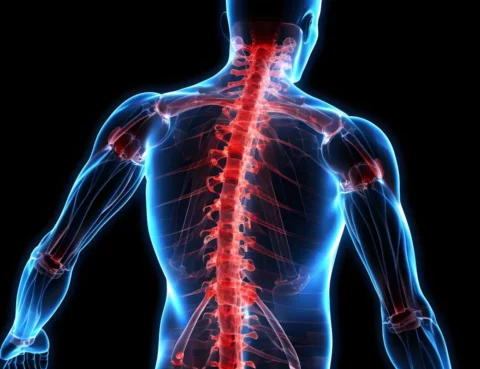
What is Friedreich ataxia disease? FA stands for an uncommon hereditary neurodegenerative condition. The hallmark of this disease lies in the gradual deterioration of the CNS. Progressive damage marks the hallmark of the disorder. It got its name in honor of the German doctor Nikolaus Friedreich. He first described it in the 19th century. FA…

Pick’s disease is one of the varieties of senile frontotemporal dementia, in which atrophic changes occur, most often in the frontal and temporal lobes of the brain. In clinical manifestations, it is similar to Alzheimer’s disease, but it is less common and more malignant. In women, it is diagnosed twice as often as in men….