
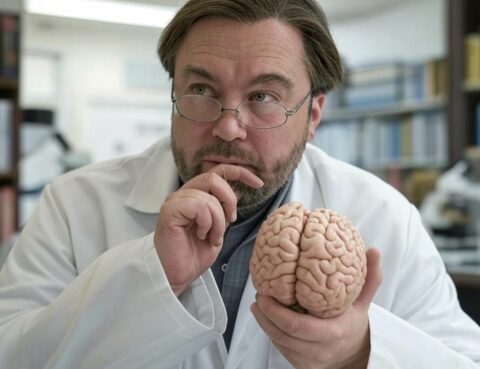
Your brain is your superpower. It drives every thought, memory, and decision. But over time, brain aging takes hold. This natural decline slows mental sharpness. Memories slip. Focus wanes. Everyday tasks feel like puzzles, going well beyond simply misplacing keys. These cognitive changes diminish your quality of life. As we age, staying independent and connected…

Attention-Deficit/Hyperactivity Disorder, or ADHD, is a condition that affects millions of people worldwide. It’s known for symptoms like trouble focusing, impulsiveness, and sometimes hyperactivity that doesn’t quite match someone’s age. Kids and adults with ADHD often struggle to stay organized or sit still. However, there’s another challenge that doesn’t get as much attention: sleep problems….

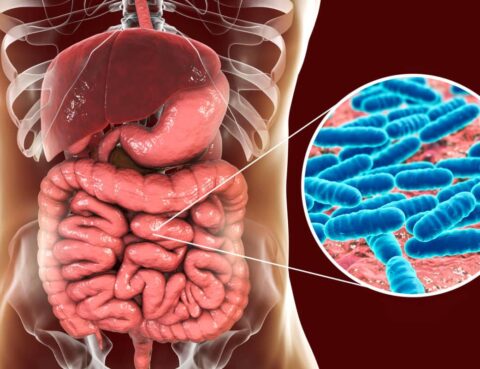
The intestine plays a critical role in supporting overall body health. The intestinal tract has a direct connection with the brain. Disruption of its function has a major impact on brain function and health. The gut microbiome contains billions of bacteria that help the body. Research in this area is advancing rapidly and revealing important…
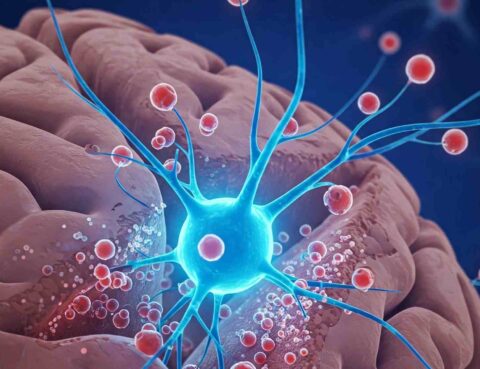
When we think about what keeps our brain functioning and our spirits high, one tiny chemical often comes to mind: dopamine. This powerful substance isn’t just about feeling good. It’s a key player in how our brain works every day. As a neurotransmitter, it acts like a messenger, carrying signals between brain cells to keep…

Light is a fundamental part of our lives, shaping how we feel, think, and function every day. It plays a crucial role in our overall well-being, especially when it comes to neurological health. Our brains rely on light to regulate essential processes like: Sleep Mood Focus For centuries, humans depended on natural light from the…
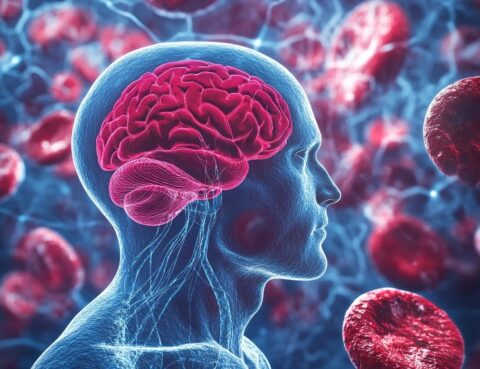
Interest in blood tests for detecting neurological disorders is growing fast, with scientists and doctors viewing them as potential game-changers. Early detection is crucial for these conditions as it can lead to better treatments and outcomes. With conditions like Alzheimer’s or Parkinson’s, early detection is a primary medical goal. Diagnosing neurological illnesses has always been…
Susceptibility to migraines is influenced by multiple factors. Genetic and hormonal factors play an important role in migraine development. The environment is also vital. Genomic studies have identified 13 genetic variants. These variants are strongly linked to migraine susceptibility. These genes affect glutamatergic neurotransmission and synapse function. The biological processes underlying migraines are complex and…

Scientists conducted an interesting study. It was focused entirely on how air pollution affects mental health. The results showed that it leads to a high risk of developing anxiety. A high probability of depressive states was also recorded. Among the volunteers were people who lived in highly polluted areas. This indicates the harmful effect of…
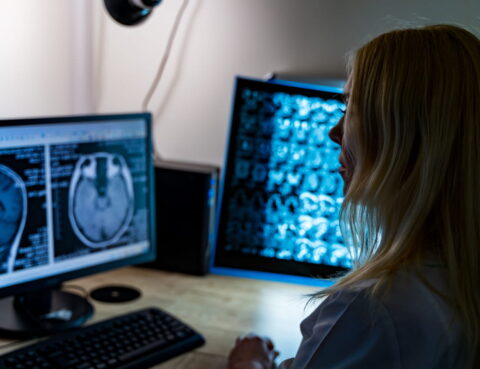
A person’s neurological health significantly affects their quality of life. Neurological problems may indicate various neurological disorders. Modern medicine does its best to detect any abnormalities early. Special diagnostics and tools help to detect these diseases at early stages. Brain imaging is a great way to find out how the human brain works. MRI, CT,…
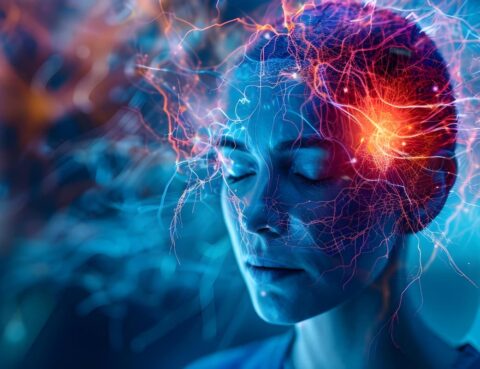
Our brains are like busy control centers, helping us think, move, and feel. Sometimes, things go wrong in the brain, and these are called neurological disorders. These can be like a glitch in the system. When this happens, it can change how we feel and how we handle our emotions. Imagine trying to drive a…