

The 21st century has brought rapid technological development and overwhelming amounts of information that hurt our ability to concentrate. The term “information fatigue syndrome” is increasingly used to describe this modern problem. Information overload causes sudden mood swings, leading to irrational decisions and actions. The brain becomes oversaturated with information and enters a state of…
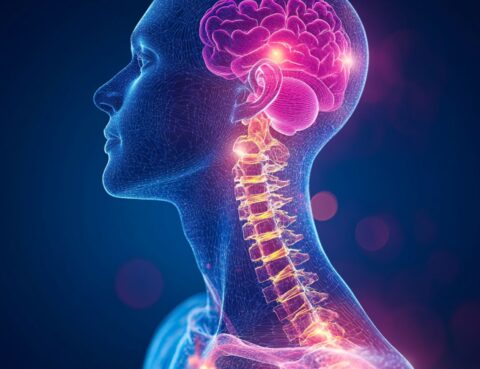
The thyroid gland is a small organ in your neck. It plays a big role in how your body works. It produces hormones that handle metabolism, energy, and even brain health. When it doesn’t work properly, it can lead to thyroid dysfunction. This condition includes issues like hypothyroidism and hyperthyroidism. These can affect many parts…

Good health is essential for a fulfilling life and maintaining a positive mood. Vitamins play a key role in human health. Vitamin B12 is one of the main vitamins in our body. Vitamin B12 deficiency causes serious problems and long-term effects. Often, vitamin B12 plays an important role in the myelin sheath. This supports cellular…

Brain fog is a common yet frustrating experience. It’s often described as a cloudy, sluggish feeling in the mind that makes thinking, focusing, or remembering a challenge. It’s not a standalone medical diagnosis but rather a sign tied to various underlying issues, particularly those affecting the brain and nervous system. This article dives into what…

Epilepsy is a condition that affects millions of people around the world. However, it doesn’t have to take over your life. With the right knowledge, tools, and support, you can: Manage your symptoms Reduce seizures Live with confidence This article is your guide to understanding epilepsy diagnosis, mastering seizure management, and exploring treatment options. These…

Neuropathy is a condition that affects millions. It quietly disrupts lives with symptoms that can range from mildly annoying to deeply life-changing. At its core, nerve damage impacts how your body communicates with itself. It affects everything from how you move to how you feel. Whether it’s a tingling sensation in your feet or trouble…

There’s a reason people say sweets are a great way to cheer yourself up. Sweet foods and sugar raise blood glucose levels. This process improves our mood and gives us a quick energy boost. However, it is important to understand that sugar in our diet can cause several problems. Sugar spikes can cause many health…

As people grow older, maintaining cognitive health becomes a key concern for many. There has been a rise in natural, non-invasive approaches to support the aging brain. Meditation has gained attention as a promising tool to slow neural decline. This cost-effective practice offers a way to nurture mental clarity without medications or medical interventions. Research…

In our fast-moving world, shift work is increasingly common. It powers industries like healthcare, logistics, and retail that operate 24/7. However, it impacts brain health in ways that are often underestimated. Millions of workers face irregular sleep due to: Night work Rotating schedules Unpredictable hours These disruptions throw off the body’s circadian rhythm, leading to…

Many technological innovations were first tested in the military before becoming mainstream. Take the history of the Internet, for example. Binaural beats technology is being studied at various research institutions. So what exactly are binaural beats? Binaural beats are increasingly popular for their mental health benefits. They improve cognitive function by boosting alpha and theta…