

Restless legs syndrome (RLS) has become a significant barrier to normal daily functioning and quality of life. People with this condition describe it as unpleasant sensations in the legs – often tingling, tension, or internal discomfort. These symptoms create an irresistible urge to move the legs constantly. Symptoms typically worsen in the evening or at…

Many people experience seizures that can occur at any time and anywhere – at work, at school, at home, or in public places. Seizures often occur suddenly and without warning, causing constant stress for both the person and those around them. Knowing what to do during a seizure can help you provide appropriate care and…

Dizziness is one of the most common reasons people visit neurologists. That unsettling spinning sensation or feeling of being off-balance can disrupt everything from your morning routine to your work performance. If you’re experiencing these symptoms, you’re likely dealing with one of two conditions: vestibular migraine or BPPV (benign paroxysmal positional vertigo). While both conditions…

Tremors affect millions of Americans, causing involuntary shaking that can significantly impact daily life. Whether it’s difficulty holding a coffee cup, trouble with handwriting, or challenges with eating, these rhythmic movements can be both frustrating and concerning. Understanding the distinction between essential tremor vs. Parkinson’s is crucial for getting the right diagnosis and treatment plan….

Multiple sclerosis (MS) is a chronic autoimmune disease in which the immune system mistakenly attacks myelin, the protective sheath surrounding nerve fibers in the brain and spinal cord. This damage disrupts electrical signals traveling through the nervous system, causing a wide range of neurological problems. MS affects over 2.8 million people worldwide, with women aged…

Parkinson’s disease is a progressive neurological disorder that affects movement and much more. The condition develops when dopamine-producing cells in the substantia nigra, a brain region responsible for controlling smooth movement, gradually die off. As dopamine levels drop, the brain struggles to send proper signals to muscles, leading to the characteristic movement problems associated with…

Sleep is vital for maintaining optimal brain health. During rest, the brain restores cognitive functions and clears harmful toxins that accumulate throughout the day. Deep sleep activates the glymphatic system, which flushes out damaging proteins like beta-amyloid, a substance linked to Alzheimer’s disease development. When sleep quality suffers, this crucial cleaning process becomes disrupted, impairing…
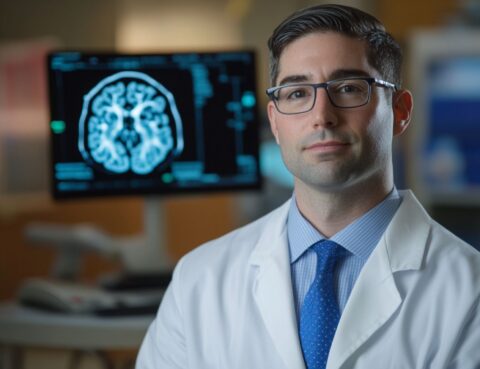
Neurology is a medical specialty focused on the nervous system, where neurologists diagnose and treat conditions affecting the brain, spinal cord, and nerves. Their work is vital because the nervous system controls every function in the body — from movement and coordination to memory and thought. When conditions like epilepsy, Parkinson’s disease, or stroke strike,…
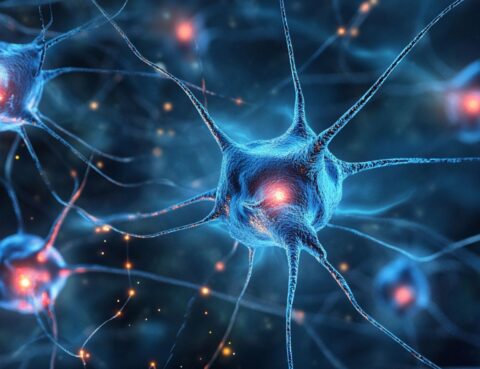
Stress is a universal experience that we all encounter in our daily lives. From workplace deadlines to financial worries, stress manifests in countless forms. While a little pressure can sometimes serve as good motivation, chronic or long-term stress can have a profoundly negative impact on our bodies and minds. Stress isn’t merely a feeling —…

Many different diseases can develop due to various health factors. However, certain conditions are strongly associated with genetic inheritance. Genetics plays a crucial role in many neurological diseases and disorders. Understanding neurological conditions and maintaining regular medical checkups helps ensure confidence in your health status. Genetics and neurological disorders have been recognized as interconnected for…