

Long COVID, also known as post-acute sequelae of SARS-CoV-2 infection (PASC), is characterized by persistent symptoms extending beyond the acute phase of COVID-19. This condition affects up to 30% of survivors, including those who experienced only mild initial illness. The nervous system is particularly vulnerable, with neurological complications reported in 10-20% of cases. SARS-CoV-2 can…

Diabetes is a serious condition that can lead to permanent damage and many complications. Over time, nerve damage affects up to 50% of people with diabetes. This condition, called diabetic neuropathy, happens when blood sugar stays high for too long. It mainly affects the feet and hands. Symptoms include numbness, tingling, burning pain, foot ulcers,…
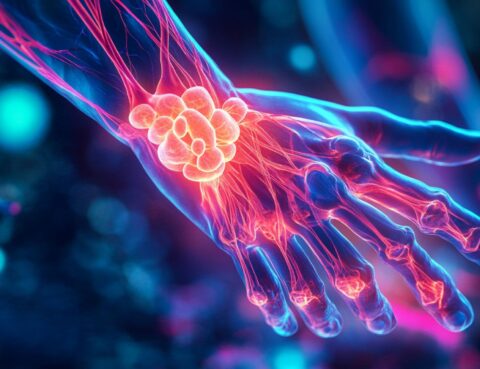
Neuropathy is a condition that affects the peripheral nerves, which connect the brain and spinal cord to the rest of the body. When these nerves become damaged, they can no longer transmit signals for movement, sensation, and bodily functions properly. This damage often causes numbness, tingling, burning pain, or weakness, particularly in the hands and…
Distinguishing between memory loss vs aging is essential for maintaining cognitive health as we grow older. Some forgetfulness is a normal part of the aging process — occasionally misplacing keys or temporarily forgetting a name happens to everyone. However, persistent or worsening memory problems may signal an underlying neurological condition that requires medical attention. Recognizing…

Technology is revolutionizing how neurologists assess brain and nervous system disorders. Digital tools in neurology are dramatically improving diagnostic accuracy and helping detect conditions like epilepsy, Alzheimer’s disease, and stroke much earlier than before. Advanced imaging techniques provide detailed insights into brain structure and activity. Wearable devices track patients’ symptoms continuously in real-time. Artificial intelligence…
Mental health and brain connection are deeply connected. Neurology helps us understand why. The brain controls our thoughts, emotions, and behaviors through billions of neurons and chemical messengers. When this system becomes unbalanced, conditions like depression, anxiety, or schizophrenia can develop. Neurologists study these connections to develop more effective treatments. The brain’s structure, chemistry, and…
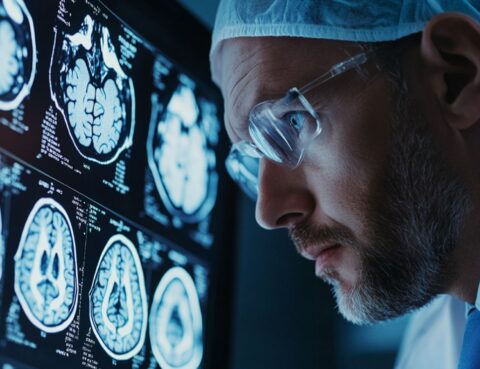
Your brain and nervous system control everything your body does. From simple movements like walking to complex thoughts and emotions, your neurological health affects your entire life. When problems develop in these systems, catching them early can make all the difference. Early diagnosis of neurological disorders gives doctors the best chance to help you. Think…

Your brain needs exercise just as much as your muscles do. While most people understand that physical activity keeps their heart healthy and muscles strong, fewer realize the powerful connection between movement and brain function. Exercise and brain health are intimately linked in ways that scientists are only beginning to understand fully. When you exercise,…
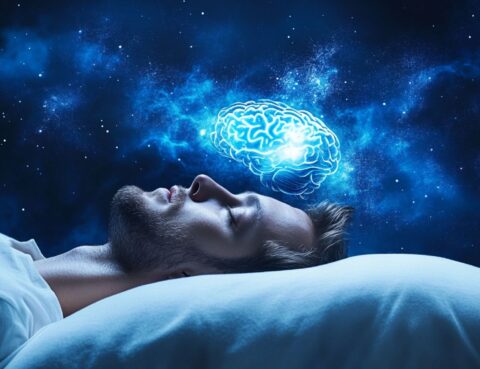
Sleep represents one of the most crucial factors for maintaining optimal neurological health. Quality sleep plays a vital role in both overall wellness and neurological health. Sleep and brain health are closely interconnected and significantly impact each other throughout life. Neuroscience research has demonstrated that sleep profoundly affects brain function and cognitive performance. During sleep,…
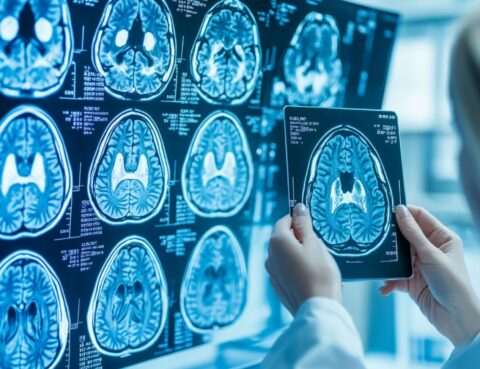
Neurological disorders are increasingly common conditions affecting millions worldwide. These conditions range from mild symptoms to severe disabilities that significantly impact daily life. Individuals may experience tension headaches, epilepsy, Parkinson’s disease, or other neurological conditions that impair daily functioning and quality of life. Early medical consultation helps address common neurological disorders before they become severe…