

Chronic pain is one of the most widespread and debilitating health challenges of our time. Unlike acute pain, which serves as a temporary warning signal, chronic pain persists for months or even years – reshaping daily life, limiting mobility, and taking a heavy toll on mental and emotional well-being. For many people, it becomes the defining feature of their existence. Yet chronic pain is not inevitable, and it is not untreatable.
Specialized neurological care plays a central role in identifying the root causes of persistent pain and delivering effective pain relief options that go beyond simple symptom masking. This article explores how neurology approaches chronic pain management, the treatments available, and the future of this field for patients seeking lasting relief.
Understanding Neurological Pain and Its Causes
To manage chronic pain effectively, it’s essential to understand its origins – and in many cases, the answer lies within the nervous system itself.
Neurological pain arises when something goes wrong in the way the nervous system processes and transmits pain signals. Under normal circumstances, pain is a protective response: the nervous system detects tissue damage and signals the brain. But in people with neurological pain disorders, this system becomes dysregulated. The brain and nerves may continue generating pain signals long after an injury has healed, or they may misinterpret non-painful stimuli as threatening. The result is pain that feels very real but originates from dysfunction rather than active damage.
One of the most common forms of neurological pain is neuropathic pain – pain caused by damage or disease affecting the somatosensory nervous system. It often presents as burning, stabbing, or electric-shock sensations, and it may be accompanied by hypersensitivity to touch or temperature. A wide range of conditions, including diabetes, shingles, spinal cord injuries, and autoimmune disorders, can trigger neuropathic pain.
Other neurological mechanisms underlying chronic pain include central sensitization – in which the central nervous system becomes abnormally sensitized to stimuli – and disruptions in neurotransmitter function that modulate pain signals. Understanding these underlying mechanisms is not just academically interesting; it is the foundation for effective chronic pain management strategies.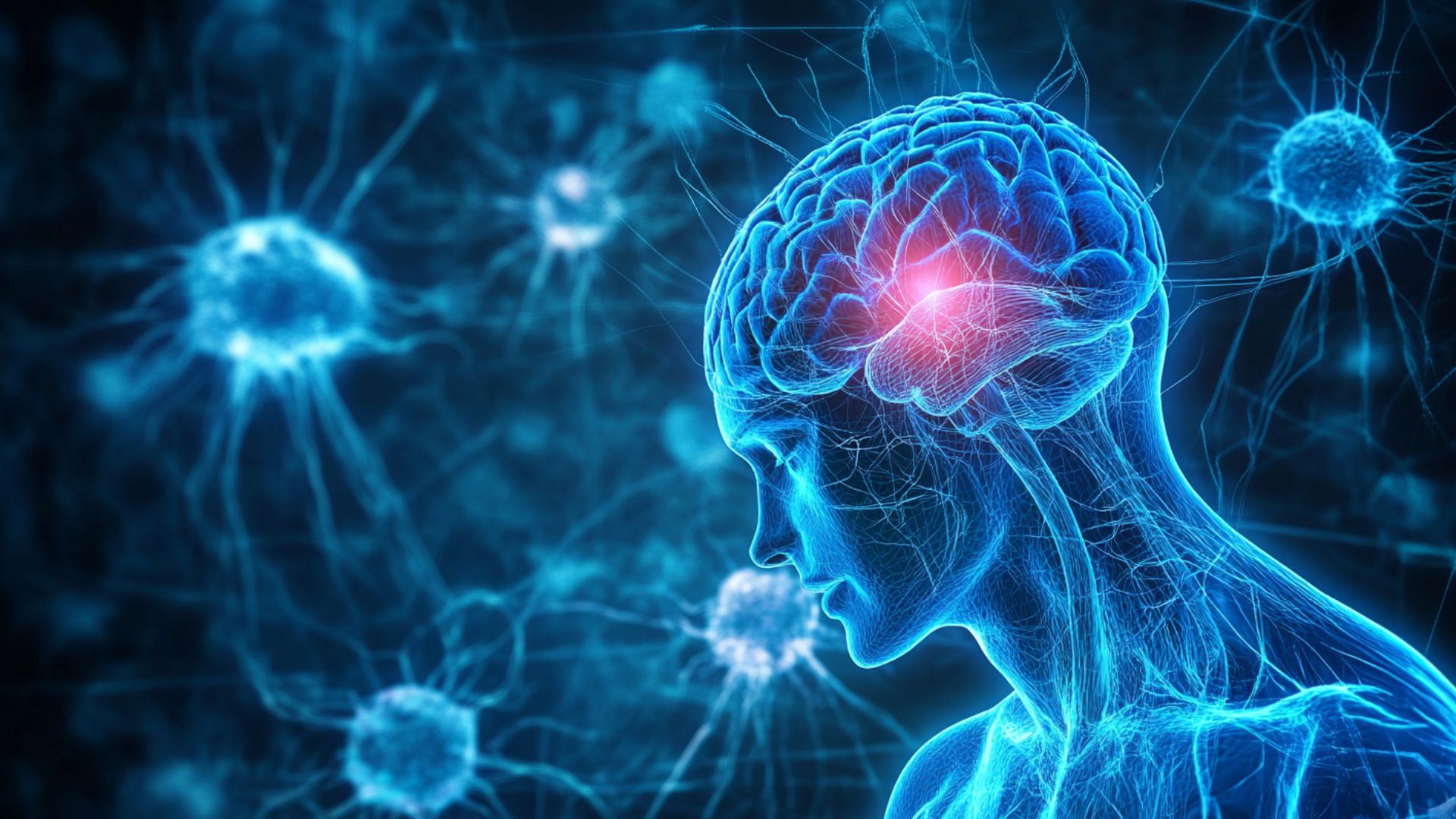
Common Neurological Conditions Associated with Chronic Pain
Several neurological conditions are particularly well-known for their association with persistent, debilitating pain:
- Peripheral Neuropathy. Often linked to diabetes, alcohol use, or chemotherapy, this condition involves damage to the peripheral nerves, producing burning pain, tingling, and numbness, typically in the hands and feet. Neuropathic pain from peripheral neuropathy can severely limit a person’s ability to walk, work, and sleep.
- Multiple Sclerosis (MS). MS is an autoimmune disease that damages the myelin sheath protecting nerve fibers. Pain is reported by more than 50% of MS patients and can take many forms, including trigeminal neuralgia, musculoskeletal pain, and painful spasticity.
- Fibromyalgia. While still debated in terms of classification, fibromyalgia is increasingly understood as a disorder of central pain processing. It causes widespread musculoskeletal pain, fatigue, and cognitive difficulties, and it frequently coexists with other neurological conditions.
Across all of these conditions, the common thread is disruption of normal nervous system function. This is precisely why neurological expertise is so critical: treating the pain without addressing its underlying mechanisms rarely yields lasting results.
Neurological Pain Relief Options: Treatments and Therapies
The range of neurology treatments available for neurological pain has expanded significantly in recent years, giving patients and physicians a much broader toolkit than ever before.
Medication-based approaches remain a cornerstone of treatment. These include anticonvulsants such as gabapentin and pregabalin, which reduce abnormal nerve signaling; tricyclic antidepressants, which modulate pain pathways in the brain; and topical agents such as lidocaine patches for localized relief. For acute flare-ups, short-term use of stronger medications may also be appropriate under medical supervision.
Interventional procedures offer targeted relief for patients who don’t respond adequately to oral medications:
- Nerve blocks – injections of anesthetic or anti-inflammatory agents near specific nerves – can interrupt pain signals and provide significant short-term relief.
- Spinal cord stimulators – implanted devices that deliver mild electrical impulses to the spinal cord – can effectively override pain signals in cases of severe, refractory neuropathic pain.
- Transcranial magnetic stimulation (TMS) and other neuromodulation techniques are being increasingly used as non-invasive options.
The most effective pain relief options are almost always personalized. A treatment plan that works brilliantly for one patient may provide little benefit for another, which is why individualized neurological evaluation is indispensable.
How Pain Management Specialists Approach Chronic Pain
Pain management specialists who work within a neurological framework bring a uniquely comprehensive perspective to chronic pain. Rather than simply targeting the symptom, they aim to understand the full clinical picture – identifying the neurological mechanisms at play, assessing psychological factors, and evaluating how pain interacts with other aspects of a patient’s health.
The evaluation process typically begins with a thorough history and neurological examination, often supplemented by diagnostic tools such as nerve conduction studies, electromyography (EMG), MRI, or laboratory testing. This allows pain management specialists to pinpoint the source and type of pain with far greater accuracy than a general assessment would permit.
From there, treatment is rarely one-dimensional. The most effective approaches to chronic pain management are multidisciplinary, combining neurology with:
- Psychology and behavioral therapy. Cognitive behavioral therapy (CBT) has strong evidence for reducing the emotional amplification of pain and improving coping strategies. Mindfulness-based stress reduction (MBSR) is another well-validated approach.
- Physical and occupational therapy. Targeted exercise programs, manual therapy, and functional rehabilitation address the physical deconditioning that often accompanies chronic pain, while helping patients regain confidence in their bodies.
- Nutritional and lifestyle counseling. Diet, sleep, and stress levels all have measurable effects on pain sensitivity and neurological function, and addressing these areas is increasingly recognized as part of comprehensive neurological care.
By integrating these disciplines, pain management specialists can address not just the sensation of pain but the full spectrum of factors that sustain and amplify it – leading to more durable outcomes and a meaningful improvement in quality of life.
Neurology’s Impact on Long-Term Pain Relief
One of the distinguishing features of neurological approaches to pain is their emphasis on long-term outcomes rather than short-term relief. The goal is not simply to reduce pain in the moment but to retrain the nervous system, restore function, and prevent the progressive worsening that often characterizes untreated chronic pain.
This long-term focus shapes the design of neurology treatments in several important ways. Preventive strategies are built into the care plan from the outset, addressing triggers and risk factors before they cause further damage. Ongoing monitoring allows treatment to be adjusted as the patient’s condition evolves. And patient education – helping individuals understand their condition and take an active role in managing it – is recognized as a therapeutic intervention in its own right.
For many patients, the neurological approach to chronic pain management produces genuinely transformative results. People who had resigned themselves to a lifetime of pain discover that with the right combination of treatments, they can reclaim activities they had given up, reduce their reliance on medication, and experience sustained periods of significantly reduced pain.
Success in long-term pain relief options also depends heavily on consistency and follow-through. Attending regular neurological appointments, adhering to prescribed therapies, maintaining healthy sleep and stress habits, and staying connected with a supportive care team all contribute to better outcomes over time.
The Future of Neurological Pain Management: Innovations and Research
The field of chronic pain management is advancing at a remarkable pace, and neurology is at the forefront of some of the most exciting developments.
Regenerative medicine holds particular promise. Techniques such as platelet-rich plasma (PRP) therapy and stem cell treatments are being investigated for their potential to repair damaged nerve tissue and restore normal function in patients with neuropathic pain – addressing the root cause of pain rather than just its symptoms.
Gene therapy represents another frontier. By targeting the specific genetic mechanisms that contribute to pain hypersensitivity or nerve degeneration, researchers hope to develop treatments that can produce long-lasting relief with minimal side effects – a significant leap beyond current neurology treatments.
Perhaps most intriguing is the application of artificial intelligence to pain management. AI-driven systems are being developed to analyze complex patient data – including genetic profiles, neuroimaging results, and treatment histories – to predict which pain-relief options are most likely to be effective for a specific individual. This moves the field decisively toward truly personalized medicine.
Wearable neurostimulation devices, virtual reality-based pain therapies, and advances in our understanding of the gut-brain axis are also emerging areas of research that may soon become part of standard neurological care.
The future is genuinely promising. For patients living with chronic neurological pain today, that future is being built now – and the pace of progress gives good reason for optimism.
If chronic pain has become a persistent part of your daily life, it’s time to seek specialized neurological care. Ongoing pain should never be accepted as simply “the way things are.” At LoneStar Neurology, our experienced team of neurologists and pain management specialists is here to evaluate your condition, identify its root causes, and develop a personalized plan designed for lasting relief. Contact us today – and take the first step toward a life with less pain.

 (133 votes, average: 4.81 out of 5)
 Loading...








I've given up... the stress her office staff has put me through is just not worth it. You can do so much better, please clean house, either change out your office staff, or find a way for them to be more efficient please. You have to do something. This is not how you want to run your practice. It leaves a very bad impression on your business.
Please, leave your review
Write a comment: