
Chronic neck pain and chronic back pain are among the most common reasons people seek medical care. Many patients are told their discomfort comes from muscle strain, poor posture, or age-related wear and tear. While those factors can certainly play a role, they don’t explain every case. Pain that lasts for months, keeps coming back, or spreads beyond your neck or spine often has a deeper cause tied to your nervous system.
Your spine protects the spinal cord and nerve roots that carry signals between your brain and the rest of your body. When those nerves become irritated, compressed, or inflamed, pain can persist even after your muscles appear to have healed. A pinched nerve, for example, may cause sharp or burning pain, tingling, or weakness that travels into your arms, hands, legs, or feet. These symptoms are often mistaken for simple muscle tension, which can delay getting the right treatment.
This is where a neurologist becomes an essential part of your care team. A neurologist focuses on how your nerves, spinal cord, and brain work together. When chronic back pain or neck pain doesn’t improve with basic treatments, a neurologist can identify hidden nerve-related problems, confirm or rule out nerve damage, and guide targeted treatment. Getting evaluated early helps reduce your risk of long-term nerve injury, improves your mobility, and gives you clearer answers about why your pain won’t go away.
Why Chronic Neck or Back Pain Isn’t Always “Just Muscle Pain”
Muscle pain is common and often improves with rest, stretching, or short-term treatment. Chronic neck pain is different. When discomfort lasts longer than several weeks, keeps coming back, or gets worse over time, it usually involves more than strained tissue.
Nerves can become compressed by herniated discs, spinal arthritis, bone spurs, or joint swelling. Spinal instability – which allows too much movement between vertebrae – can also irritate nearby nerves. Inflammation from autoimmune conditions or repetitive stress may further sensitize nerve tissue, creating pain that feels deep, intense, or unpredictable.
Musculoskeletal pain usually stays in one spot. A tight neck muscle tends to hurt in one area and feels better with movement or massage. Neurological pain is different – it may shoot down your arm or leg, come with tingling or numbness, or feel like burning or electric shocks. Some patients notice weakness, clumsiness, or trouble with tasks that require precise hand movements. These are signs of nerve involvement rather than simple muscle strain.
When chronic back pain starts to radiate or is accompanied by changes in sensation, catching the nerve involvement early makes a real difference. Treating nerve-related pain as if it were only muscle pain often leads to frustration and delayed recovery. Understanding this difference helps you know when you need additional evaluation and why a neurologist can provide answers others might miss.
Common Nerve-Related Causes of Chronic Spine Pain

Several neurological conditions commonly contribute to long-lasting spine pain. These conditions affect how nerves exit your spinal column and communicate with your body.
A pinched nerve occurs when surrounding structures compress a nerve root. This pressure disrupts normal nerve signaling, causing pain that may radiate away from your spine. Cervical radiculopathy affects the nerves in your neck and often causes pain, numbness, or weakness in your shoulders, arms, or hands. Lumbar radiculopathy involves your lower back and can cause pain that moves through your hips, legs, or feet.
Herniated or bulging discs are another common cause. When disc material presses on nearby nerves, it may trigger sharp pain, tingling, or reduced strength. Facet joint irritation – which affects the small stabilizing joints of your spine – can also inflame nearby nerve endings and mimic nerve compression.
These conditions often cause nerve pain symptoms such as burning, pins-and-needles sensations, numbness, or sudden jolts of pain. Because the discomfort doesn’t always stay in one place, patients may struggle to describe it, and routine treatments may not help. Identifying the exact cause requires focused neurological evaluation rather than guesswork.
Key Nerve Pain Symptoms That Shouldn’t Be Ignored
Nerve-related pain sends warning signs that feel different from routine aches. Paying attention to these signs helps prevent long-term complications. Symptoms that suggest nerve involvement should prompt you to get further evaluation, especially when they don’t go away.
Here are nerve pain symptoms that deserve attention:
- Ongoing numbness or tingling in your arms, hands, legs, or feet
- Weakness in your limbs, trouble gripping things, or frequently dropping objects
- Shooting pain that travels down one or both arms or legs
- Loss of coordination, balance problems, or foot drop
- Persistent burning, stabbing, or electric-like pain sensations
These symptoms may start subtly and worsen over time. Some patients adapt without realizing that nerve damage can progress silently. A neurologist evaluates whether your symptoms reflect temporary nerve irritation or signs of lasting injury. Early assessment helps protect your nerve function and reduces your risk of permanent problems that affect your work, mobility, and quality of life.
How a Neurologist Helps Diagnose the True Source of Your Pain
When chronic neck pain doesn’t respond to standard care, getting an accurate diagnosis becomes the priority. A neurologist for back pain approaches your pain from the perspective of nerve function rather than just surface symptoms.
The process begins with a detailed neurological examination, including testing your reflexes, muscle strength, sensation, balance, and coordination. Subtle findings can reveal which nerve roots or pathways are affected. Even small differences between your left and right sides provide valuable clues.
Neurologists also interpret advanced imaging with a focus on nerve involvement. An MRI may show disc changes or arthritis, but not all visible abnormalities cause symptoms. A neurologist connects imaging results with physical findings to determine whether a disc bulge is truly compressing a nerve or simply an age-related change.
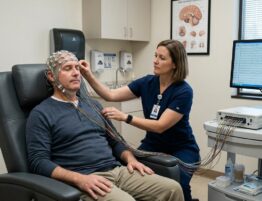
Electrodiagnostic testing, such as electromyography (EMG) and nerve conduction studies (NCS), offers further insight. These tests measure how well your nerves transmit electrical signals and whether your muscles receive proper input. They help distinguish between nerve root compression, peripheral nerve disorders, and muscle disease.
For patients who have tried physical therapy, chiropractic care, or pain medications without success, a neurologist for back pain provides clarity. Accurate diagnosis guides treatment choices and prevents unnecessary procedures. Instead of treating symptoms in isolation, neurologists identify the root problem, which leads to more effective and lasting relief.
Neurology Treatment Options That Offer Real Relief
Once the source of nerve-related pain is identified, treatment can be tailored to your specific condition. Neurologists focus on reducing nerve irritation, controlling pain, and preserving function.
Medication may include agents that target nerve signaling rather than just general pain relief. These medications help calm overactive nerves and reduce abnormal sensations. In some cases, neurologists coordinate epidural steroid injections with pain management specialists to reduce inflammation around affected nerve roots.
Targeted nerve blocks may be used selectively to clarify pain sources or provide relief while other treatments take effect. For certain neck conditions, such as cervical dystonia, botulinum toxin injections can reduce muscle overactivity and relieve associated nerve pressure. Neurologists also manage migraine-related chronic neck pain, which often overlaps with chronic cervical discomfort.
Lifestyle guidance also plays an important role. Neurologists often recommend specific physical therapy approaches that protect nerve structures while improving strength and posture. Changes to your daily activities, ergonomic adjustments, and better sleep positioning can reduce ongoing nerve stress.
By addressing both symptoms and underlying causes, neurological care supports long-term improvement rather than just temporary relief. This comprehensive approach helps you regain movement, reduce flare-ups, and maintain your daily function.
When You Should Add a Neurologist to Your Care Team
Not every episode of back or neck pain requires specialized care. However, certain patterns suggest that a neurological evaluation would be helpful. Pain that lingers or gets worse despite treatment often signals a deeper problem.
You should consider adding a neurologist for back pain to your care team when pain lasts longer than twelve weeks, keeps coming back, or spreads into your arms or legs. Worsening numbness, tingling, or weakness deserves prompt attention. If chiropractic care, physical therapy, or multiple medication trials haven’t worked, it may mean the root problem hasn’t been identified yet.
Suspected pinched nerve symptoms, recurring flare-ups, or difficulty performing daily tasks are also strong reasons for a referral. Early neurological care helps prevent permanent nerve damage and supports better long-term outcomes.
Chronic neck pain and chronic back pain affect more than just your comfort – they influence your mobility, sleep, mood, and independence. A neurologist offers expertise that complements other specialists and provides a clearer path forward. Seeking care sooner rather than later can restore your function, protect your nerve health, and help you return to daily life with greater confidence and control.