

Walking into a neurologist’s office for the first time can feel intimidating. You might be dealing with unexplained headaches, numbness, seizures, memory problems, or other concerning symptoms that have brought you here. The uncertainty of not knowing what’s wrong, combined with anxiety about the appointment itself, is completely normal. But here’s the good news: knowing what to expect can transform that anxiety into confidence.
Your first neurology appointment is an important step toward understanding what’s happening with your health. Neurologists specialize in conditions affecting the brain, spinal cord, and nervous system – complex areas that require specialized expertise. Unlike a regular doctor’s visit, a neurology appointment involves detailed questioning, specific physical tests, and often a different approach to diagnosis. This isn’t something to fear; it’s actually designed to give your doctor the most complete picture of your condition so they can help you effectively.
Many people wait too long before seeking neurological care, hoping symptoms will resolve on their own or trying various home remedies first. This delay can be dangerous. Neurological symptoms often indicate conditions that worsen without proper treatment, and early intervention typically leads to better outcomes. Self-treatment for neurological issues is particularly risky because symptoms can have multiple causes – some serious, some less so – and only a trained specialist can determine what’s really going on. That’s why scheduling your first neurology appointment as soon as you notice persistent or concerning symptoms is crucial for your health and peace of mind.
What to Expect at Your First Neurology Visit: A Clear, Stress-Free Breakdown
Understanding what to expect at neurologist appointments helps reduce anxiety and ensures you’re mentally prepared for the process. Your first visit typically lasts 45 to 60 minutes, considerably longer than a standard doctor’s appointment. This extended time allows your neurologist to gather comprehensive information about your symptoms, medical history, and overall health.
The appointment generally follows this structure:
- Detailed medical history discussion: Your neurologist will ask extensive questions about your current symptoms: when they started, how often they occur, what makes them better or worse, and how they affect your daily life. Be prepared to discuss your complete medical history, including past illnesses, surgeries, medications, and family health history.
- Comprehensive symptom review: Beyond your main complaint, your neurologist will ask about other symptoms you might not think are related. Neurological conditions often present with multiple symptoms, and seemingly unrelated issues can provide important diagnostic clues.
- Physical and neurological examination: This hands-on assessment evaluates your nervous system’s function. It’s not painful and doesn’t involve needles or invasive procedures during the initial exam.
- Discussion of next steps: Based on the examination findings, your neurologist will explain their initial thoughts, discuss whether additional testing is needed, and outline a preliminary treatment plan.
The Neurological Exam: How Specialists Assess Your Symptoms
The neurological exam might seem unusual if you’ve never experienced one, but each component serves a specific diagnostic purpose. Your neurologist is systematically checking how different parts of your nervous system function. Knowing what to expect at neurologist examinations helps you feel more comfortable during the process.
Here’s what typically happens during the exam:
- Cranial nerve testing: Your doctor will check your vision, eye movements, facial sensation and movement, hearing, and swallowing ability. These tests assess the twelve cranial nerves that connect directly to your brain.
- Motor function evaluation: You’ll be asked to perform various movements so your doctor can observe your strength, coordination, and muscle tone. This might include walking, standing on one foot, or pushing against the doctor’s hands.
- Sensory testing: Your neurologist will assess your ability to perceive different sensations, such as light touch, pinprick, and vibration. They’ll compare both sides of your body to detect any asymmetries.
- Reflex assessment: Your doctor will use a reflex hammer to test reflexes throughout your body. Abnormal reflexes can indicate specific neurological problems.
Diagnostic Testing: When Your Neurologist Recommends Further Evaluation
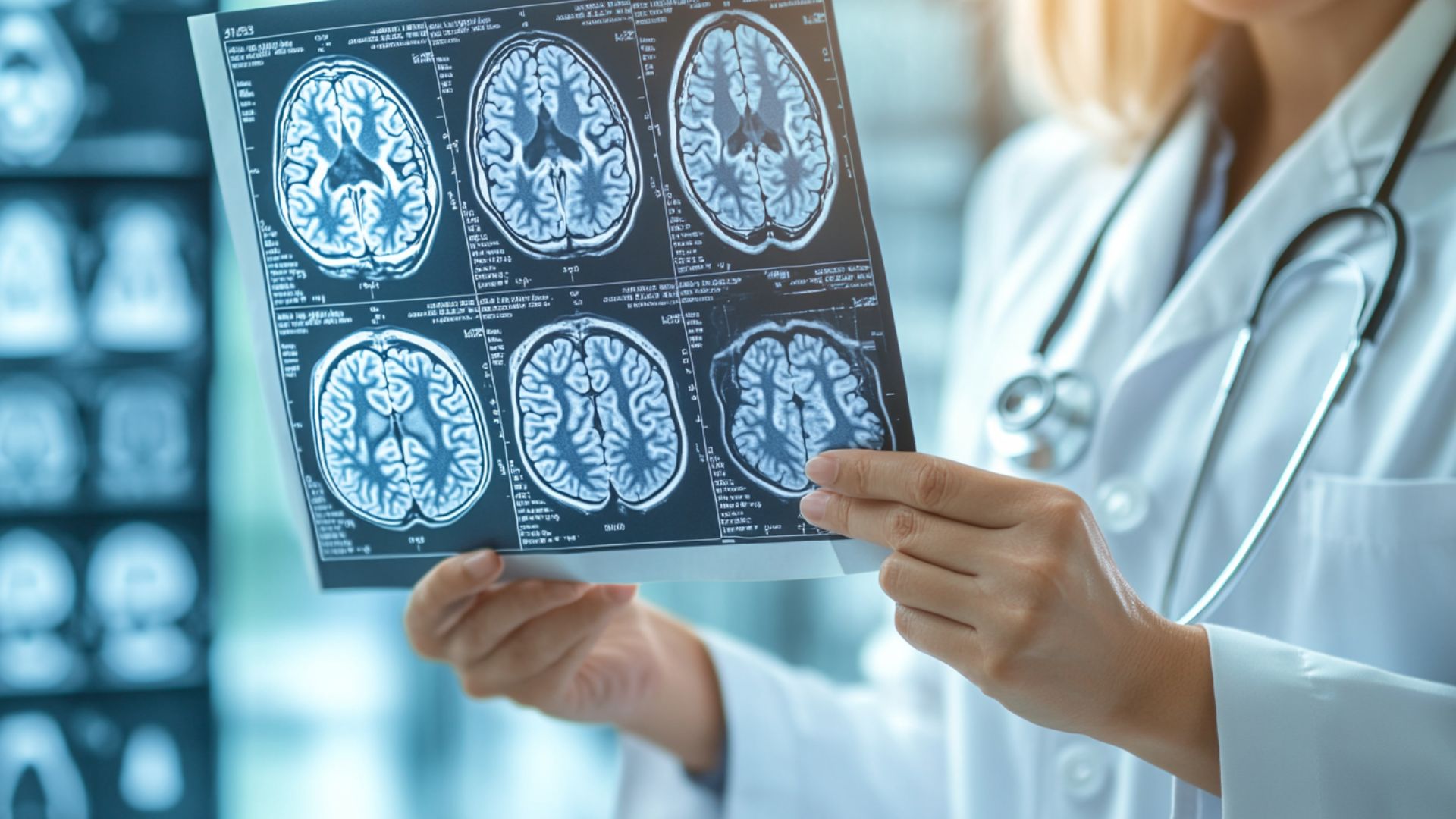
Not every new patient’s neurology visit requires additional testing, but many do. If your neurologist recommends tests, it doesn’t necessarily mean something is seriously wrong – it means they want more information to make an accurate diagnosis.
Common diagnostic tests include:
- MRI or CT scans: These imaging studies produce detailed images of your brain and spinal cord, helping identify structural abnormalities, tumors, stroke damage, and signs of diseases such as multiple sclerosis.
- EEG (electroencephalogram): This test records your brain’s electrical activity and is particularly useful for diagnosing epilepsy and other seizure disorders.
- EMG and nerve conduction studies: These tests evaluate how well your nerves and muscles communicate, helping diagnose conditions such as neuropathy and muscle disorders.
Your neurologist will explain why specific tests are recommended and what they hope to learn from them.
How to Prepare for Your Neurologist Visit: Simple Steps That Make a Difference
Proper preparation for a neurologist visit significantly improves the quality and efficiency of your appointment. Coming prepared means your doctor can focus on evaluation and diagnosis rather than hunting for missing information.
Start by gathering essential documents and information:
- Complete medication list: Write down every medication you take, including dosages, frequency, and why you take each one. Include prescription medications, over-the-counter drugs, vitamins, and supplements. Even seemingly unrelated medications can provide important clues.
- Symptom diary or timeline: Create a written record of your symptoms with specific details: exact dates when symptoms began, frequency, duration, severity, and any patterns you’ve noticed. Note what makes symptoms better or worse, including time of day, activities, or stress levels.
- Previous medical records: If you’ve seen other doctors for your current symptoms, request copies of those records, test results, and imaging studies. Bring any CDs containing MRI or CT scans from other facilities.
- Family health history: Many neurological conditions have genetic components. Know your family history of neurological diseases, including migraines, epilepsy, stroke, and multiple sclerosis.
On the day of your appointment, wear comfortable clothing that allows easy access to your arms and legs for the neurological exam. Bring a list of questions for neurologist appointments – when you’re nervous or receiving a lot of information, it’s easy to forget what you wanted to discuss. Effective preparation for a neurology visit includes writing down your questions beforehand.
Consider bringing a trusted family member or friend. They can provide additional information about symptoms they’ve observed and help you remember what the doctor says.
Essential Questions to Ask Your Neurologist During the Appointment
Having prepared questions for a neurologist ensures you leave the appointment with a clear understanding of your situation. Don’t worry about asking “too many” questions – your neurologist expects and welcomes them.
Important questions to consider:
- About your diagnosis: What do you think is causing my symptoms? Are there other possible diagnoses we should consider? How certain are you of this diagnosis? What additional information would help confirm it?
- About testing and evaluation: Why are you recommending these specific tests? What will they show? When will I get results? Are there any risks or preparation required for these tests?
- About treatment options: What treatment options are available for my condition? What are the benefits and risks of each option? How long before I notice improvement? Are there lifestyle changes that could help?
- About prognosis and expectations: What’s the likely course of my condition? Will it get worse, stay the same, or improve? How will this affect my daily life and activities?
- About follow-up care: When should I schedule my next appointment? What symptoms should prompt me to call before then? Are there warning signs that would require emergency care?
Write down the answers or ask if you can record the conversation. Medical information can be overwhelming, and having a reference helps when you review everything later.
After Your First Neurology Appointment: Next Steps and Follow-Up Care
Your new patient’s neurology visit is just the beginning of your care journey. What happens next depends on your specific situation, but understanding the typical process helps you stay organized and proactive.
After your initial visit, you might need to:
- Schedule diagnostic testing: If your neurologist ordered tests, schedule them promptly. Delays in testing mean delays in diagnosis and treatment. Follow any preparation instructions carefully, as improper preparation can lead to invalid results.
- Start prescribed treatments: If your neurologist prescribed medications or recommended specific therapies, begin them as directed. Don’t adjust dosages or stop medications without consulting your doctor first, even if you feel better.
- Monitor and document symptoms: Continue tracking your symptoms and note any changes after starting treatment. This information helps your neurologist assess whether the treatment is working and make necessary adjustments.
- Arrange follow-up appointments: Schedule your next visit before leaving the office if possible. For ongoing conditions, regular follow-up is essential for monitoring your progress.
At Lone Star Neurology Clinic, our specialists understand that proper new patient neurology care begins with making patients feel comfortable and informed. We take time to listen to your concerns, conduct thorough evaluations, and explain everything in clear, understandable terms.
Whether you’re experiencing headaches, dizziness, numbness, memory problems, seizures, or any other neurological symptoms, don’t wait for them to worsen. Early evaluation leads to better outcomes, and many neurological conditions are highly treatable when caught early.
Schedule your appointment with Lone Star Neurology Clinic today. Our experienced team is ready to help you understand your symptoms, get an accurate diagnosis, and develop an effective treatment plan. Your brain and nervous system deserve expert care – take that first step toward better neurological health now.

 (133 votes, average: 4.80 out of 5)
 Loading...







I've given up... the stress her office staff has put me through is just not worth it. You can do so much better, please clean house, either change out your office staff, or find a way for them to be more efficient please. You have to do something. This is not how you want to run your practice. It leaves a very bad impression on your business.
Please, leave your review
Write a comment: