

Living with epilepsy often feels like waiting for a storm to hit without a weather map. You might feel like seizures happen for no reason at all. However, most people with epilepsy have specific factors that make a seizure much more likely to happen. These factors are seizure triggers. And the good news is that many of them are within your control.
When you learn to identify what causes your brain to react, you gain a sense of power over your health. This isn’t about living in fear – it’s about preparation and prevention. By making small, smart changes to your daily routine, you can significantly lower your chances of having a breakthrough seizure.
Today, we’ll look at how your lifestyle affects your brain’s electrical activity. Specifically, we’ll discuss how sleep, diet, technology use, and stress management can help keep you safe. We’ll also look at the critical role of your treatment plan and how to prevent seizures. Our guide is designed to be practical and is based on what neurologists see in their clinics every day. By the end, you’ll have a clear roadmap for managing your environment and your habits to keep your brain as stable as possible.
Why Everyday Habits Play a Major Role in Seizures
The human brain is a complex network of electrical signals. In a healthy brain, these signals move in an organized way. In a brain prone to seizures, those signals can suddenly become disorganized bursts of energy. When this happens, it’s called a seizure triggers. Many things can disrupt this delicate electrical balance. While medication helps stabilize these signals, your daily habits act as the foundation for that stability.
Think of your brain like a high-performance engine. Even if the engine is well-built, it still needs the right fuel, time to cool down, and a stable environment to run smoothly. If you push the engine too hard or use low-quality fuel, it could overheat or break down. For a person with epilepsy, lifestyle choices like what you eat, when you sleep, and how you handle your emotions are the “fuel” and “cooling system” for your brain.
Many patients experience what doctors call “breakthrough seizures” – seizures that happen even when someone is taking their medicine. Often, these breakthroughs occur because a lifestyle factor pushes the brain past its limit. Understanding your personal triggers is the most important step toward long-term management.
Lack of Sleep and Seizures – A Strong, Proven Link
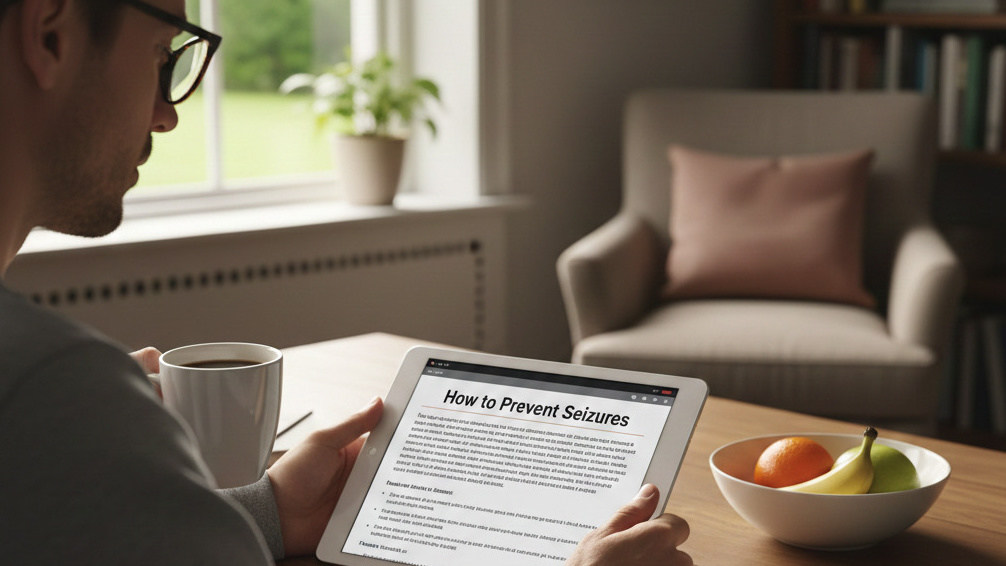
One of the most powerful factors affecting your brain’s health is getting enough sleep. Neurologists have long known there’s a direct connection between lack of sleep and your brain’s seizure threshold. Think of this threshold as a safety barrier: when you’re well-rested, it’s high and strong, but when you’re tired, it drops, making it much easier for abnormal electrical activity to trigger a seizure.
Sleep is when your brain repairs itself and clears out waste products. If you skip sleep, your neurons become irritable and more likely to misfire. There are several common reasons why people don’t get enough rest:
- Staying up late for work or entertainment
- Working late-shift jobs that change frequently
- Traveling across different time zones (jet lag)
- Using bright screens right before trying to sleep
To keep your brain stable, you need a consistent sleep schedule. This means going to bed and waking up at the same time every day. Try to create a relaxing “wind-down” routine at night. This might include reading a book, taking a warm shower, or practicing deep breathing exercises. Also, avoid caffeine in the afternoon and evening.
Alcohol and Seizures – What Patients Often Underestimate
The relationship between alcohol and seizures is complex and often misunderstood. Many people think a single drink won’t hurt, but alcohol directly impacts the central nervous system. While it initially acts as a sedative, it can cause a rebound effect as it leaves your body.
Binge drinking is particularly dangerous. When a person drinks a large amount of alcohol in a short time, the risk of a seizure during the “sobering up” period increases drastically. Furthermore, alcohol can interfere with how your body processes epilepsy medication, making it less effective or increasing side effects like dizziness.
Screens, Stress, and the Modern Triggers We Can’t Ignore
In our modern world, we’re surrounded by technology and live at a fast pace. For some people with epilepsy, these aspects of modern life can pose neurological risks. Some people with epilepsy have photosensitive epilepsy, which means they’re sensitive to light patterns from screens like televisions, computer monitors, and smartphones.
It isn’t just about brightness – the danger often comes from:
- Flashing or flickering lights in movies or video games
- High-contrast patterns, like black and white stripes
- The refresh rate of older monitors
- Playing video games for many hours without a break
If you’re sensitive to light, try using high-quality screens with a high refresh rate. Sit further back from the TV and keep the room well-lit so the screen isn’t the only light source. Taking frequent breaks from screens can give your visual cortex a much-needed rest.
Beyond screens, what’s happening inside your body matters just as much. We live in a high-stress society, and stress-induced seizures are very real. When you’re stressed, your body releases hormones like cortisol and adrenaline, which alter how your brain functions. Physical stress, like an illness or extreme fatigue, can also be a trigger.
Managing stress isn’t just about relaxing – it requires active effort. This can include:
- Regular physical exercise (within your doctor’s limits)
- Mindfulness meditation or yoga
- Learning to say “no” to extra responsibilities when you feel overwhelmed
- Keeping a journal to identify emotional patterns
By calming your nervous system, you stabilize your brain’s electrical activity, preventing the neural overload that often leads to seizures.
Missed Seizure Medication – One of the Most Common Triggers
The most common cause of a breakthrough seizure is missing your medication. Epilepsy medications work by maintaining a steady level of chemicals in your bloodstream, which prevents an electrical storm in your brain from starting. If you miss a dose, the level of medicine in your blood drops. This leaves you vulnerable, allowing a seizure to break through.
Consistency is crucial – even being a few hours late can make a difference for some people. Life gets busy, and it’s easy to forget, but you can build systems to help you stay on track.
Practical tips to avoid missing your seizure medication:
| Strategy | How it Helps |
| Pill Organizers | Lets you see at a glance if you took your morning or evening dose. |
| Phone Alarms | Set multiple alarms on your phone to remind you of every dose. |
| Medication Tracking Apps | Use specialized apps that track your doses and remind you to refill. |
| Routine Pairing | Take your medicine with a daily habit, like brushing your teeth. |
If you do miss a dose, don’t panic, and don’t take a double dose unless your doctor has specifically instructed you to. Instead, call your neurologist’s office and ask for instructions. They can tell you the safest way to get back on schedule.
Traveling can also disrupt your routine. Always carry your medicine in your carry-on bag, not in checked luggage. Bring extra doses in case of delays. It’s also a good idea to carry a copy of your prescription.
How to Prevent Seizures by Managing Your Triggers
Taking control of your health is an ongoing process. The best way to start is by keeping a “Seizure Diary.” In this diary, record every seizure and what happened in the 24 hours before it. Did you stay up late, feel stressed at work, have a drink, or forget your medication? Over time, patterns will emerge that show you exactly which triggers affect you most.
Once you know your triggers, you can make a plan – and you don’t have to change everything at once. Start by picking one area to improve, such as getting 8 hours of sleep or setting a better medication schedule. These small steps add up, creating a much safer environment for your brain.
Your how to prevent seizures checklist for better control:
- Track your habits. Use a notebook or app to identify your personal triggers.
- Prioritize sleep. Treat rest as a vital part of your treatment plan.
- Be consistent. Take your medication at the same time every day.
- Manage stress. Find daily ways to lower your anxiety.
- Consult experts. Never make major changes without talking to a healthcare professional.
At LoneStar Neurology, we believe that every patient deserves a personalized care plan. We’re here to be your partner in this journey. Our team of experts can help you manage your medications, identify your specific triggers, and provide the latest neurological support. We focus on long-term seizure control because we want you to live your life to the fullest.
 (No Ratings Yet)
 Loading...







I've given up... the stress her office staff has put me through is just not worth it. You can do so much better, please clean house, either change out your office staff, or find a way for them to be more efficient please. You have to do something. This is not how you want to run your practice. It leaves a very bad impression on your business.
Please, leave your review
Write a comment: