

As parents, we are hardwired to worry. Every fever, scrape, or stumble can send our minds racing. But when it comes to a child’s development and nervous system, distinguishing between regular growing pains and a medical concern can be difficult. While pediatricians are fantastic at handling general health, there are times when a child needs the specialized eye of a pediatric neurologist.
A pediatric neurologist is a doctor who specializes in diagnosing and managing conditions affecting the nervous system (brain, spinal cord, nerves, and muscles) in children. This isn’t just “adult neurology in a smaller size.” Children’s brains are rapidly developing, so symptoms can present differently than in adults. Whether it is unexplained headaches, developmental setbacks, or seizures, early evaluation is the key to managing these conditions effectively.
At Lone Star Neurology, we understand that searching for a pediatric neurologist can be stressful. We spend our days helping patients navigate complex neurological conditions – from migraines to Alzheimer’s and Parkinson’s in older adults – and we know that for families, getting accurate answers quickly is the most important thing. Recognizing the signs early means better outcomes, less anxiety, and a more straightforward path forward for your child.
When to See a Pediatric Neurologist: Key Signs Parents Shouldn’t Ignore
Children are resilient, but they are not immune to neurological issues. Often, symptoms can be subtle. A child might be labeled as “clumsy” or a “daydreamer,” when in reality, they are experiencing motor coordination issues or absence seizures. Knowing when to see a pediatric neurologist can save you months of uncertainty.
If your gut tells you something is off, listen to it. While mild bumps and headaches are part of childhood, specific patterns warrant a specialist’s attention. When searching for a child neurologist near me, consider if your child is experiencing any of the following red flags:
- Regression in Skills: If your child could previously walk, talk, or feed themselves and suddenly loses those abilities, this is a significant warning sign. Developmental regression requires immediate evaluation.
- Abnormal Movements: This includes tics, tremors, or stiffness. If your child has jerky, uncontrollable movements or a persistent limp that isn’t due to an injury, the nervous system may be involved.
- Changes in Behavior or Vision: Sudden, drastic personality changes, staring spells where they are unresponsive, or complaints of double vision are indicators that the brain’s processing is being disrupted.
Developmental Delays: When a Neurologist Helps Identify Hidden Causes
Every child develops at their own pace. Some walk for 10 months; others wait until 15 months. However, there is a difference between a “late bloomer” and an actual developmental delay. A developmental delay neurologist looks beyond the milestones to understand why the delay is happening.
Is it a muscle issue? A nerve communication problem? Or a processing disorder? Identifying the root cause changes how we treat it. A child struggling with speech because of hearing loss needs a different treatment than a child struggling due to a neurological processing disorder.
Here is how a neurologist evaluates these concerns:
- Motor Delays: We look for low muscle tone (hypotonia) or high muscle tone (spasticity). If a baby feels “floppy” or overly stiff, or if a toddler is constantly falling and cannot navigate stairs, we investigate the neuromuscular pathways.
- Speech and Cognitive Delays: While speech therapists are crucial, a neurologist helps determine if the delay is linked to conditions like autism spectrum disorder or global developmental delay, ensuring the child gets the proper comprehensive support.
Pediatric Seizures and Unusual Episodes: What Parents Should Know
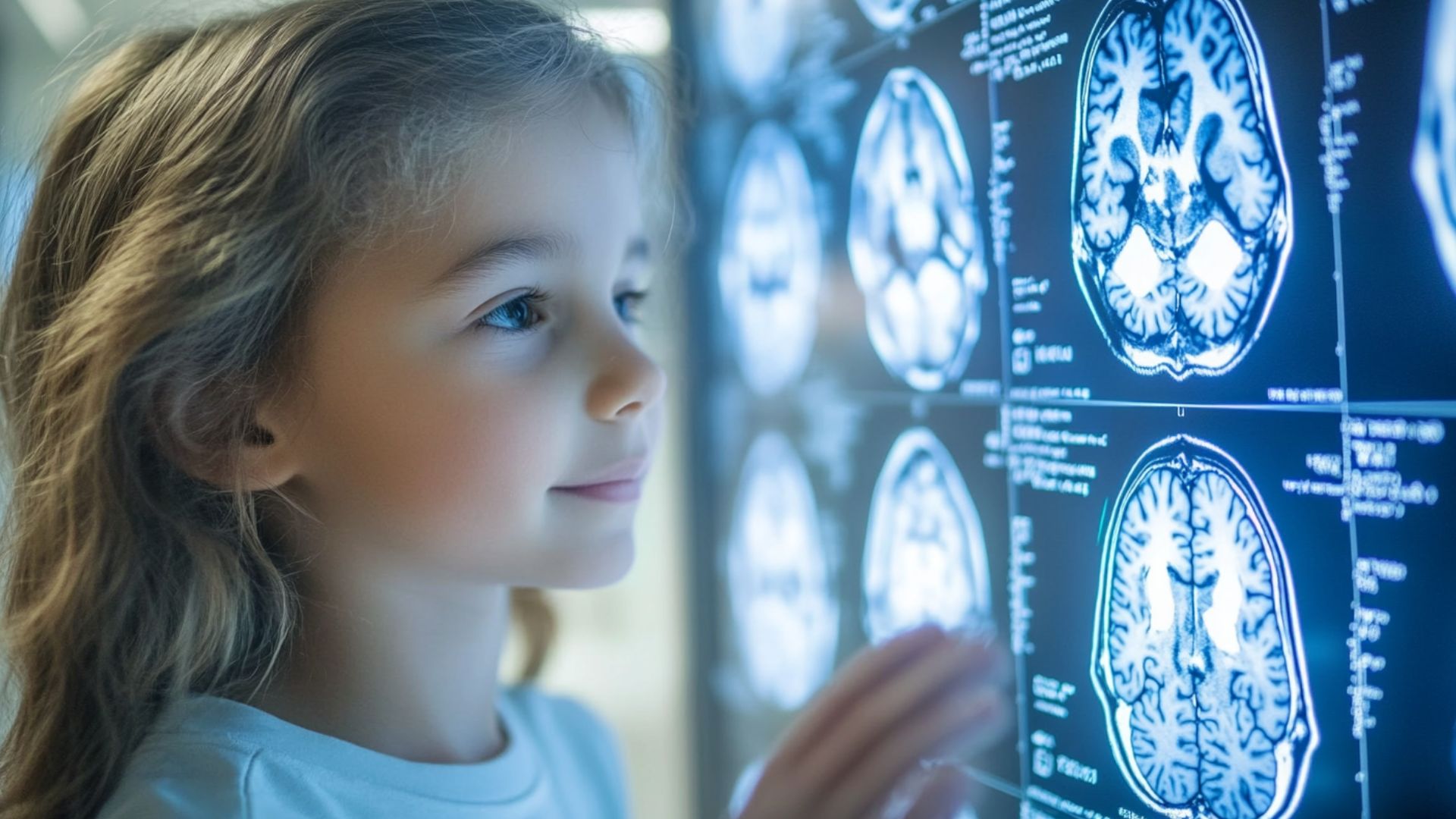
Hearing the word “seizure” is terrifying for any parent. However, pediatric seizures are more common than many realize, and they don’t always look like the dramatic convulsions seen in movies. A pediatric seizure evaluation is critical because some seizures are so subtle that they are missed for years, often affecting school performance.
In children, seizures can manifest in various ways:
- Absence Seizures: These look like staring spells. The child may freeze for a few seconds, flutter their eyelids, and be unresponsive. Teachers often mistake this for daydreaming or a lack of attention.
- Febrile Seizures: These occur in young children during a high fever. While frightening to watch, they are often harmless. However, a neurologist can help determine if they are simple febrile seizures or a sign of epilepsy.
- Focal Seizures: These affect just one part of the brain and might cause twitching in one arm, a strange smell or taste, or a sudden wave of fear.
At Lone Star Neurology, we use advanced diagnostic tools, such as EEGs (electroencephalograms), to monitor brain wave activity. Understanding the specific type of seizure allows doctors to prescribe the exact medication or therapy needed, allowing most children to live completely everyday, active lives.
Headaches, Migraines & Dizziness: When Kids Need a Neurologist
We often associate migraines with adults, but children get them too. In fact, they are surprisingly common. However, because kids might not have the vocabulary to say “my head is throbbing,” they might complain of a stomach ache or simply want to lie down in a dark room. Finding a specialized headache neurologist for children is essential when over-the-counter pain relief isn’t enough or when headaches start interfering with daily life.
While we treat many adults for chronic migraines, the approach for children requires special care. You should seek specialized help if your child’s headaches show these characteristics:
- Waking Up with Pain: Headaches that wake a child from sleep or are present immediately upon waking can sometimes indicate increased intracranial pressure and require immediate investigation.
- Headaches with Vomiting: Frequent vomiting, especially in the morning without other signs of illness, is a neurological red flag.
- Post-Traumatic Headaches: If headaches persist for weeks after a sports injury or fall, it could be a sign of post-concussion syndrome.
A neurologist can help distinguish between tension headaches caused by school stress or screen time and genuine migraines or other structural issues. We help families build a plan that includes lifestyle changes (like hydration and sleep hygiene) alongside safe medical treatments.
What a Pediatric Neurology Visit Looks Like: Testing, Diagnosis & Family-Centered Care
The idea of a “neurological exam” sounds intimidating, but for a child, it often feels like a series of games. A good neurologist for kids knows how to assess brain function without causing fear. The goal is to observe how the child moves, thinks, and reacts in a low-stress environment.
Here is what you can expect during a typical visit:
- The History Gathering: We listen to you. Parents are the best observers. We will ask about pregnancy, milestones, sleep patterns, and family history. This conversation often holds the key to the diagnosis.
- The Physical “Play” Exam: We might ask your child to hop on one foot, walk on their heels, squeeze our fingers, or follow a light with their eyes. These simple actions tell us volumes about their balance, strength, and reflexes.
- Diagnostic Testing: If needed, we may order non-invasive tests. An EEG involves pasting small sensors to the scalp to read brain waves (painless, though the glue is sticky!). An MRI might be ordered if we need an image of the brain’s structure.
We work closely with your pediatrician to ensure continuity of care. The environment is designed to be supportive, not sterile, ensuring your child feels safe throughout the process.
Choosing the Right Neurologist for Your Child: Practical Tips for Parents
Finding the right specialist is a big decision. You want someone who is not only medically brilliant but also able to connect with your child. When you type “child neurologist near me” into a search engine, you will likely find several options. How do you choose?
Here are a few practical tips for finding the best care:
- Check for Board Certification: Ensure the doctor is board-certified in neurology with special qualifications in child neurology. This ensures they have the specific training required for developing brains.
- Look for Comprehensive Care: Neurological issues often overlap. A clinic that understands the breadth of neurological health – from the complexity of Alzheimer’s in grandparents to developmental delays in toddlers – demonstrates a deep commitment to the field.
- Prioritize Communication: You need a doctor who explains things in plain English, not medical jargon. During your first consultation, assess if they are listening to your concerns and explaining the “why” behind their recommendations.
Don’t wait until a crisis occurs. If you suspect your child needs support, booking an evaluation early gives you the best chance at effective management. At Lone Star Neurology, we believe in empowering families with knowledge and compassionate care. Whether you are dealing with a one-time concern or a chronic condition, having the right team in your corner makes all the difference.
 (No Ratings Yet)
 Loading...







I've given up... the stress her office staff has put me through is just not worth it. You can do so much better, please clean house, either change out your office staff, or find a way for them to be more efficient please. You have to do something. This is not how you want to run your practice. It leaves a very bad impression on your business.
Please, leave your review
Write a comment: