

When the world starts spinning, or the ground feels like it is shifting beneath your feet, the first assumption is almost always the same: “It must be an inner ear infection.” While inner ear issues are common, they are far from the only explanation. At Lone Star Neurology, we frequently see patients who have been treated for ear problems for months without relief. The reality is that many people overlook neurologic causes of dizziness that originate not in the ear but in the brain itself.
Your sense of balance is a complex conversation between your eyes, your inner ears, and your brain. If the brain – the central processor – cannot interpret these signals correctly, you will feel dizzy, unsteady, or disoriented. Ignoring these symptoms can be risky. Unexplained imbalance is often a warning sign of underlying issues like migraines, circulation problems, or even early neurodegenerative conditions.
If you feel unsteady on your feet, notice vision changes, or feel dizzy when walking, neurologist intervention is critical. Proper diagnosis is not just about stopping the room from spinning; it is about preventing falls and identifying severe conditions early. We specialize in looking beyond the ear to find the brain causes of vertigo, ensuring you get a treatment plan that actually addresses the root of the problem.
Why Dizziness Is Not Always an Ear Problem: Understanding Brain-Related Causes
To understand when dizziness is from the brain, it helps to think of your body like a computer system. Your inner ears are the cameras (hardware) that capture movement. Your brain is the software that processes that video feed. You can have perfect cameras, but if the software is glitching, the image will still be distorted. This is what medical professionals call “central vertigo.”
Unlike the sharp, spinning sensation of an ear infection, brain-related dizziness often feels different. It might manifest as a sense of rocking, floating, or feeling “drunk” without consuming alcohol. These symptoms occur when the cerebellum (the balance center) or the brainstem is affected.
We treat a wide variety of neurological conditions at Lone Star Neurology, from migraines to Alzheimer’s and Parkinson’s, and we see firsthand how these conditions impact stability. A comprehensive dizziness and imbalance workup is essential to distinguish between a harmless ear crystal issue and something more complex, such as:
- Vestibular Migraines: This is one of the most common causes of dizziness in younger adults. It is a migraine that hits the balance center rather than just causing pain.
- Cerebrovascular Issues: Poor blood flow to the back of the brain can cause fleeting dizziness, which can sometimes be a warning sign for stroke risk.
- Demyelinating Diseases: Conditions like Multiple Sclerosis (MS) can cause lesions on the nerves that transmit balance signals.
Early diagnosis is the key. When we catch these issues early, we can manage them effectively, preventing long-term damage and restoring your confidence in your own body.
Central Vertigo vs. Inner Ear Vertigo: Key Differences Patients Should Know
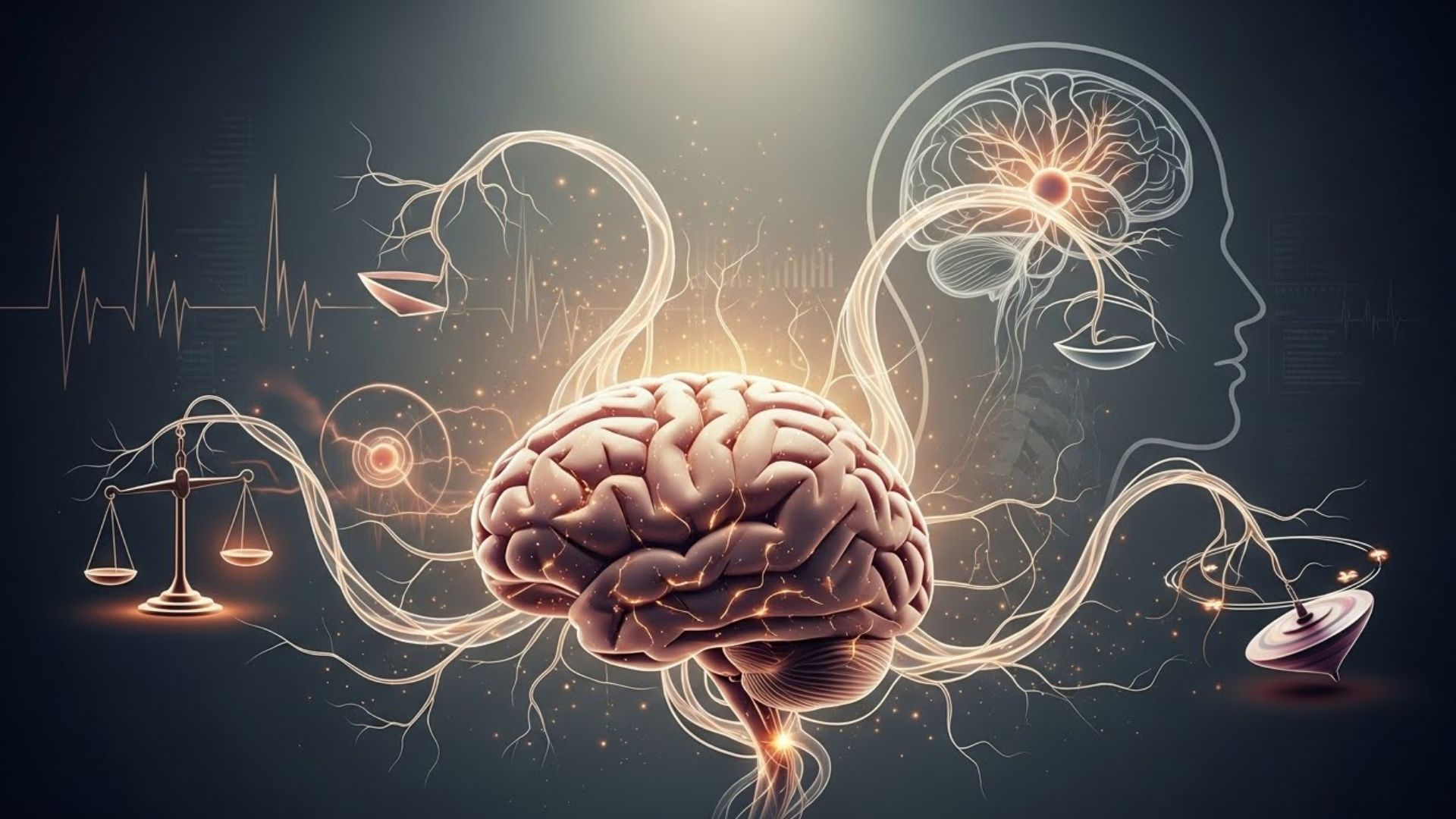
Distinguishing between a problem in the ear (peripheral) and a problem in the brain (central) is the first step toward recovery. While both are uncomfortable, they usually present with different patterns. Knowing these differences can help you decide when it is time to skip the home remedies and see a neurologist for balance problems.
Here are the key differences to watch for:
- The Type of Sensation: Inner ear vertigo is usually violent and rotational – you feel like you are spinning in a circle. Central vertigo vs inner ear vertigo is often less intense but more constant. Patients frequently describe it as a vague instability, a rocking sensation, or a feeling of being pushed to one side.
- Triggers and Duration: Inner ear issues are often triggered by specific head positions (like rolling over in bed) and last for seconds or minutes. Brain-related dizziness is usually constant, lasting for days or weeks, and isn’t always triggered by movement.
- Accompanying Symptoms: This is the most enormous red flag. Inner ear issues usually come with hearing loss or tinnitus. Central vertigo often comes with “neurological neighbors” – symptoms like double vision, slurred speech, weakness in a limb, or severe incoordination.
- Ability to Stand: With inner ear vertigo, you might stumble, but you can usually walk if you focus. With central vertigo, standing or walking without support can feel impossible due to severe loss of coordination.
Common Neurologic Conditions That Trigger Dizziness and Imbalance
So, if it isn’t your ear, what is it? Identifying the specific brain causes of vertigo is what allows us to move from guessing to treating. At our clinic, we help patients manage everything from chronic migraines to complex conditions like Parkinson’s, and we know that dizziness is often a piece of a larger puzzle.
Here are some of the most frequent neurological culprits we identify:
- Vestibular Migraine: You do not always need a headache to have a migraine. Many patients experience “silent migraines” where vertigo is the main symptom, often triggered by stress, lights, or certain foods.
- Vertebrobasilar Insufficiency (VBI): This refers to reduced blood flow to the back of the brain. It is common in older adults with high blood pressure or diabetes and can cause temporary dizziness when looking up or turning the head.
- Cerebellar Ataxia: The cerebellum controls fine motor skills. If this area degenerates or becomes inflamed, patients experience clumsiness and a wide-based, stumbling walk.
- Small Vessel Ischemia: Tiny, often silent changes in the brain’s white matter can accumulate over time, disrupting the pathways that help you balance.
How Neurologists Diagnose Dizziness: What to Expect From a Modern Workup
When you visit Lone Star Neurology, we don’t just ask you to touch your nose and send you home. We use a thorough, structured approach to identify exactly where the disconnect is occurring. A modern dizziness and imbalance workup is designed to rule out dangerous conditions and pinpoint the exact source of your instability.
Here is what you can generally expect during your evaluation:
- The Neurologic Examination: We test your reflexes, muscle strength, and sensation. We pay special attention to your eye movements (nystagmus), as the way your eyes track objects often tells us immediately if the problem is central or peripheral.
- Gait and Posture Analysis: We watch you walk. It sounds simple, but how you walk reveals a lot. A neurologist who looks for specifics when walking, a neurologist looks for specifics: do you shuffle? Do you veer to the left? Do you need to look at your feet to stay upright?
- Advanced Imaging (MRI/CT): Magnetic Resonance Imaging (MRI) is the gold standard for viewing the brain. We look for tumors, evidence of past strokes, MS lesions, or structural abnormalities in the skull.
- Autonomic Testing: Sometimes, dizziness is caused by a drop in blood pressure when you stand up. We check your heart rate and blood pressure responses to ensure your autonomic nervous system is firing correctly.
Treatment Options for Brain-Related Dizziness and Imbalance
The most important thing to remember is that brain-related dizziness is treatable. The brain has an incredible ability to adapt, a process known as neuroplasticity. Even if there is damage or a chronic condition, we can often retrain the brain to compensate and restore your balance.
Depending on your specific diagnosis, treatment strategies may include:
- Targeted Medication Management: If the cause is vestibular migraine, preventative medications can stop the dizzy spells before they start. For conditions like Parkinson’s, adjusting dopamine levels can significantly improve stability.
- Vestibular Rehabilitation Therapy (VRT): This is specialized physical therapy. It involves exercises that challenge your balance in a safe environment, forcing your brain to recalibrate its internal gyroscope.
- Vascular Risk Management: If the dizziness is caused by poor circulation, we aggressively manage blood pressure, cholesterol, and diabetes to protect the brain and improve blood flow.
- Fall Prevention and Safety Planning: For chronic conditions, we create a plan to keep you safe. This might include vision correction, assistive devices, or home modifications to reduce the fear of falling.
Our goal is personalized care. We don’t just want to medicate you; we want to help you return to your daily life – whether that’s driving, gardening, or playing with your grandchildren – without the constant fear of falling.
When to See a Neurologist for Dizziness: Warning Signs You Shouldn’t Ignore
We know it is tempting to “wait and see,” hoping the dizziness will pass. However, balance issues are rarely something you should ignore, especially as you age. While a brief dizzy spell from standing up too fast is usually harmless, persistent symptoms require a specialist’s eye.
You should schedule an appointment with a neurologist for balance problems if you experience:
- Dizziness with Weakness or Numbness: If your dizziness comes with tingling in your face, arms, or legs.
- Visual Disturbances: Double vision or a loss of vision in one eye, alongside vertigo.
- Speech or Swallowing Changes: Slurred speech or difficulty swallowing are urgent signs of a central neurologic issue.
- Persistent Unsteadiness: If you feel like you are walking on a boat even when you are on solid ground.
- Symptoms Triggered by Walking: If you are specifically dizzy when walking, a neurologist evaluation is needed to assess for ataxia or gait disorders.
At Lone Star Neurology, we specialize in brain-based causes of vertigo and provide targeted solutions that general practitioners or ENT clinics often cannot offer. Your balance is your independence. Don’t settle for living in a spinning world. Contact us today to book a comprehensive evaluation and take the first step toward a steady, confident future.
 (No Ratings Yet)
 Loading...







I've given up... the stress her office staff has put me through is just not worth it. You can do so much better, please clean house, either change out your office staff, or find a way for them to be more efficient please. You have to do something. This is not how you want to run your practice. It leaves a very bad impression on your business.
Please, leave your review
Write a comment: