

When you walk into a neurologist’s office, you expect us to ask about your head. We ask about headaches, dizziness, or memory. So, it often surprises patients when one of our first questions is, “How is your heart rhythm?” The reality is that the heart and the brain are intimately connected. Your heart is the engine, and your brain is the master computer; if the engine sputters, the computer loses power or gets damaged.
While we treat a vast array of conditions – from chronic migraines to neurodegenerative diseases like Alzheimer’s and Parkinson’s – a significant portion of our work involves stroke prevention and recovery. And the biggest culprit we often find lurking in the background? Atrial Fibrillation, or AFib.
Understanding the link between heart rhythm and brain health is vital because AFib is not just a heart problem; it is a significant brain threat. An irregular heartbeat can turn from a minor annoyance into a life-altering event in seconds. However, with early evaluation and the modern tools we have today, atrial fibrillation stroke risk is highly manageable. We work closely with cardiologists to ensure that your heart isn’t just beating, but beating safely for your brain.
Why Atrial Fibrillation Is One of the Biggest Hidden Drivers of Stroke
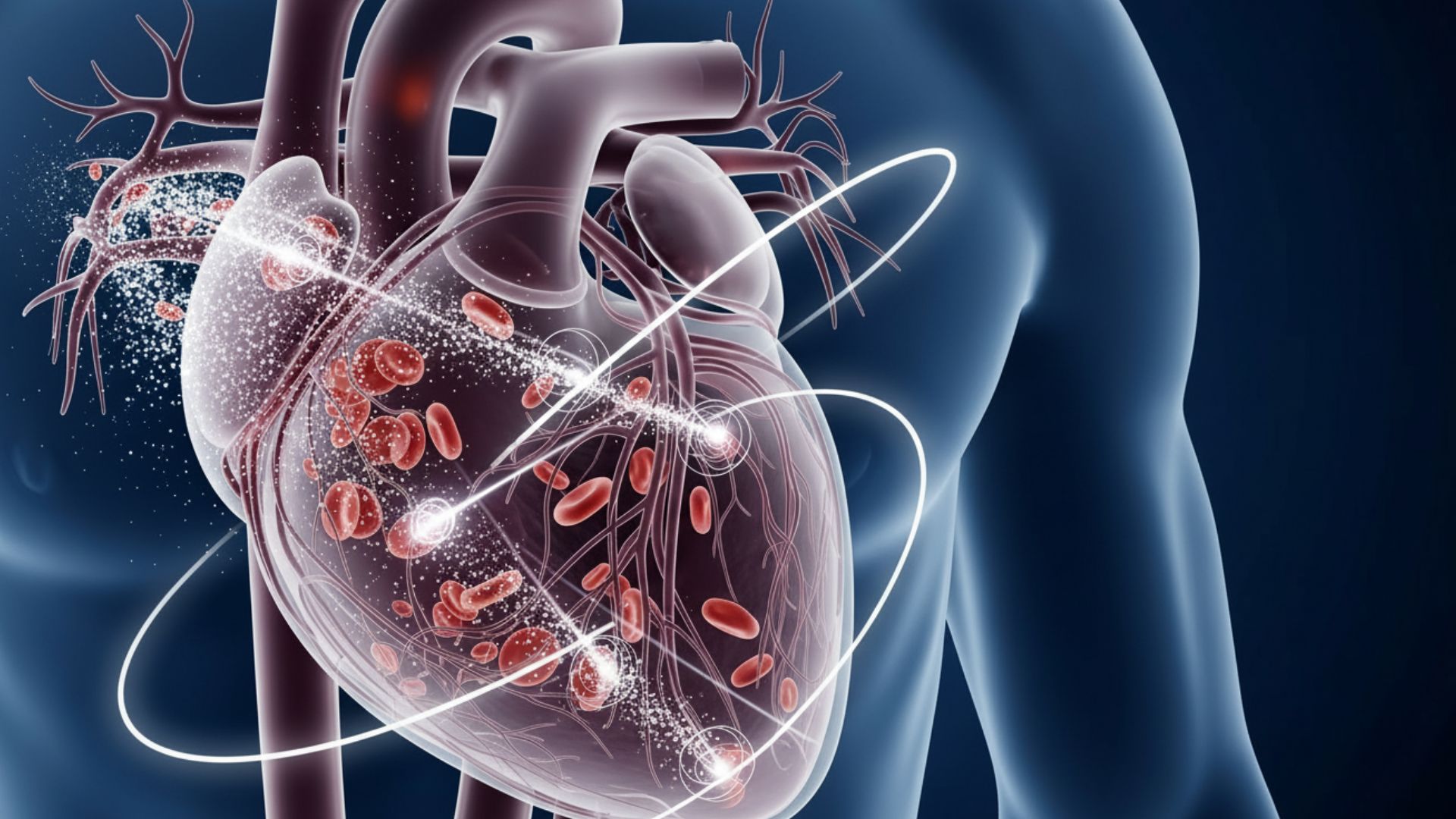
Atrial fibrillation is a condition where the upper chambers of the heart beat chaotically and irregularly. Instead of a strong, steady pump, the heart “quivers.” You might feel this as palpitations, a racing heart, or shortness of breath – but terrifyingly, many people feel nothing at all. This “silent AFib” is dangerous because it silently sets the stage for a stroke.
The statistics are startling but essential to know: having AFib increases your risk of stroke by five times compared to someone with a normal heart rhythm. In fact, AFib and stroke are so closely linked that AFib is responsible for about 15-20% of all strokes.
Why are these strokes so feared?
- Severity of Damage: Strokes caused by AFib tend to be more severe than strokes from other causes. Because the clots that come from the heart are often large, they block major arteries in the brain, leading to more extensive damage and disability.
- High Recurrence Rate: If the underlying rhythm issue isn’t treated, the clot factory remains open. Patients with untreated AFib have a very high risk of having a second, often more damaging, stroke.
- Silent Progression: Because AFib can come and go (paroxysmal AFib), you might have a normal EKG at your annual physical but still be at risk.
At Lone Star Neurology, our goal is to identify this risk before a catastrophic event occurs, helping patients understand that managing their heart rhythm is actually a form of brain protection.
How Clots Form in AFib: A Simple Breakdown Patients Understand
To understand why atrial fibrillation stroke risk is so high, you have to visualize what is happening inside the heart. Think of your blood flow like a river. As long as the river flows fast and smoothly, the water stays clear. But if the water stops moving and forms a stagnant pool, algae and sludge can form.
Your blood works the same way. It is designed to move. When the heart beats normally, it squeezes all the blood out of the upper chamber (the atrium) into the lower chamber. It’s a complete flush.
In AFib, that squeeze doesn’t happen. The atrium wiggles. This means some blood is left behind in the heart’s corners. This pooling of blood becomes stagnant. Just like the pond, stagnant blood starts to stick together.
- The Clot Forms: Platelets and proteins in the blood clump together in the left atrial appendage (a small pocket in the heart), forming a clot.
- The Ejection: Eventually, a heartbeat pushes this clot out of the heart and into the bloodstream.
- The Impact: The first major exit from the heart leads directly to the brain. The clot travels up the carotid artery until it reaches a vessel too small to pass through, instantly blocking blood flow. This is an embolic stroke.
This simple mechanical failure is why the connection between AFib and stroke is so dangerous – and why keeping the blood flowing or “thin” is the key to safety.
Why Neurologists Are Often the First to Detect AFib-Related Stroke Signs
It might seem backward, but neurologists are often the first doctors to suspect a heart rhythm problem. A patient might come to us because they had a fleeting moment of weakness, a sudden difficulty finding words, or a bout of unexplained dizziness. These are Transient Ischemic Attacks (TIAs), or “mini-strokes.”
When we investigate these symptoms, we act like detectives. If we look at the brain arteries and don’t see the usual suspects – like cholesterol plaque buildup – we immediately look at the heart.
We look for subtle clues that link heart rhythm and brain health:
- The “Shower” Effect: On an MRI, strokes from AFib can look like a “shower” of small spots scattered across different parts of the brain, indicating clots breaking up and hitting multiple areas.
- Sudden Onset: AFib strokes often happen instantly, without the slow buildup of symptoms seen in other types of blockages.
- Silent Infarcts: Sometimes, we see evidence of tiny, past strokes on a scan that the patient didn’t even notice. These are warning shots.
By identifying these patterns, we can refer patients for long-term heart monitoring (such as a Holter monitor) to detect the irregular rhythm that a standard 10-second EKG missed.
Modern Stroke Prevention for AFib: What Actually Works Today
The most important message we want to convey is that this is preventable. We have incredible tools today that can virtually neutralize the threat of AFib and stroke. Once we identify the risk, we create a tailored plan to protect your brain.
Whether we are managing complex cases of Parkinson’s or helping a patient with AFib, our philosophy is proactive care. Stroke prevention strategies for AFib have evolved significantly over the last decade, moving away from a “one size fits all” approach toward personalized medicine.
Key prevention strategies include:
- Anticoagulation Therapy: This is the gold standard. Modern blood thinners are highly effective at preventing clots from forming in the pooling blood of the heart.
- Left Atrial Appendage Closure (The Watchman): For patients who cannot take blood thinners, doctors can implant a small device that seals off the “pocket” in the heart where 90% of stroke-causing clots form.
- Rhythm Control: Cardiologists may use medications or procedures (ablation) to shock or guide the heart back into a normal rhythm, reducing the turbulence that causes clots.
- Lifestyle Management: Treating sleep apnea, managing high blood pressure, and reducing alcohol intake can significantly lower the burden of AFib.
Blood Thinners and Monitoring: Clearing Up Patient Concerns
When we mention “blood thinners” (anticoagulants), many patients get nervous. They worry about bleeding if they cut themselves shaving, or they remember their grandparents struggling with dietary restrictions on older medications like Warfarin.
We want to reassure you that the landscape of blood-thinner stroke risk management has improved. The newer generation of medications – called DOACs (Direct Oral Anticoagulants) – are safer, require no dietary changes, and don’t need the constant weekly blood testing that Warfarin did.
Here is the reality of balancing the risk:
- The Benefit Outweighs the Risk: For most AFib patients, the risk of a catastrophic stroke is far, far higher than the risk of a severe bleed from the medication. We use clinical scoring systems (such as CHADS-VASC) to calculate this balance for you precisely.
- Antidotes Are Available: Unlike in the past, most modern blood thinners have reversal agents available, so if an emergency occurs, doctors can quickly stop the thinning effect.
- Consistent Protection: These medications provide a steady, reliable level of protection, giving you peace of mind that you are covered 24/7.
As neurologists, we monitor you closely. We watch for any signs of complications and work with your cardiologist to adjust dosages if your health changes. Our goal is to keep your blood flowing smoothly enough to prevent clots, but safe enough for daily life.
When to See a Neurologist About Irregular Heart Rhythm
Your heart rhythm is not just a cardiology issue; it is a neurological priority. If you have been diagnosed with AFib or if you suspect you might have an irregular heartbeat, seeing a neurologist can be a life-saving step. We can evaluate your brain health, establish a baseline, and ensure your stroke-prevention AFib plan is robust.
You should seek a neurological evaluation immediately if:
- You Have Had “Spells”: Brief moments of confusion, vision loss, or numbness are not normal. Even if they last only a minute, they require urgent investigation.
- You Have Risk Factors: If you have AFib plus other risks like high blood pressure, diabetes, or a history of smoking, your brain is vulnerable.
- You Want a Prevention Plan: You don’t need to wait for a symptom to see us. We work with healthy patients to optimize heart rhythm and brain health strategies for longevity.
At Lone Star Neurology, we are dedicated to protecting your brain at every stage of life. Whether you are navigating life with Alzheimer’s, seeking relief from migraines, or managing atrial fibrillation stroke risk, we are here to provide expert, human-centered care. Don’t wait for the storm to hit – let’s work together to keep your future bright and stroke-free. Contact us today to schedule your consultation.
 (No Ratings Yet)
 Loading...







I've given up... the stress her office staff has put me through is just not worth it. You can do so much better, please clean house, either change out your office staff, or find a way for them to be more efficient please. You have to do something. This is not how you want to run your practice. It leaves a very bad impression on your business.
Please, leave your review
Write a comment: