
The human body contains a large number of different nerves that have their own functions. In the hands of a person, the main types of nerves are present: the median and ulnar. Any injury to the nerve can lead to impaired hand movement. In this article, we will describe in detail the functions of the…

Sometimes a person has a reflex deviation of the apples of the eye to one side. This anomaly, which occurs when the patient tries to turn their head vertically or horizontally, is called an oculocephalic reflex. Oculocephalic reflex is caused by quickly turning and briefly holding the patient’s head to the right, then to the…

This procedure is a highly informative and safe examination method that allows you to visualize the structure and functional changes of the cerebral arteries, determine the anatomy of the location of the vessel, identify structural anomalies, determine the width of the lumen, and the degree of stenosis. When examining blood vessels, magnetic resonance imaging is…

Ball of foot pain or metarsalgia is a biologically important warning signal that indicates foot pathology. Pain in the foot appears as a result of overload, deformation, fractures, pathologies of tendons and joints, or general diseases caused by metabolic disorders. To establish the correct diagnosis, specialists need to know under what circumstances the pain in…

Dementia is a disease in which the cognitive (ability to think) abilities of the patient are impaired. Dementia causes a gradual deterioration in memory, mental abilities, the ability to navigate in time and space, and the ability to recognize people and objects. It happens that dementia turns into Alzheimer’s disease. Alzheimer’s disease is the most…

The human body can fully function and exist only when it harmoniously interacts with the diverse microbial world. In some situations, it becomes a lifesaver for a person and, in others, a threat to life in terms of autoimmune diseases. An autoimmune disease is a condition in which your immune system mistakenly attacks your body….
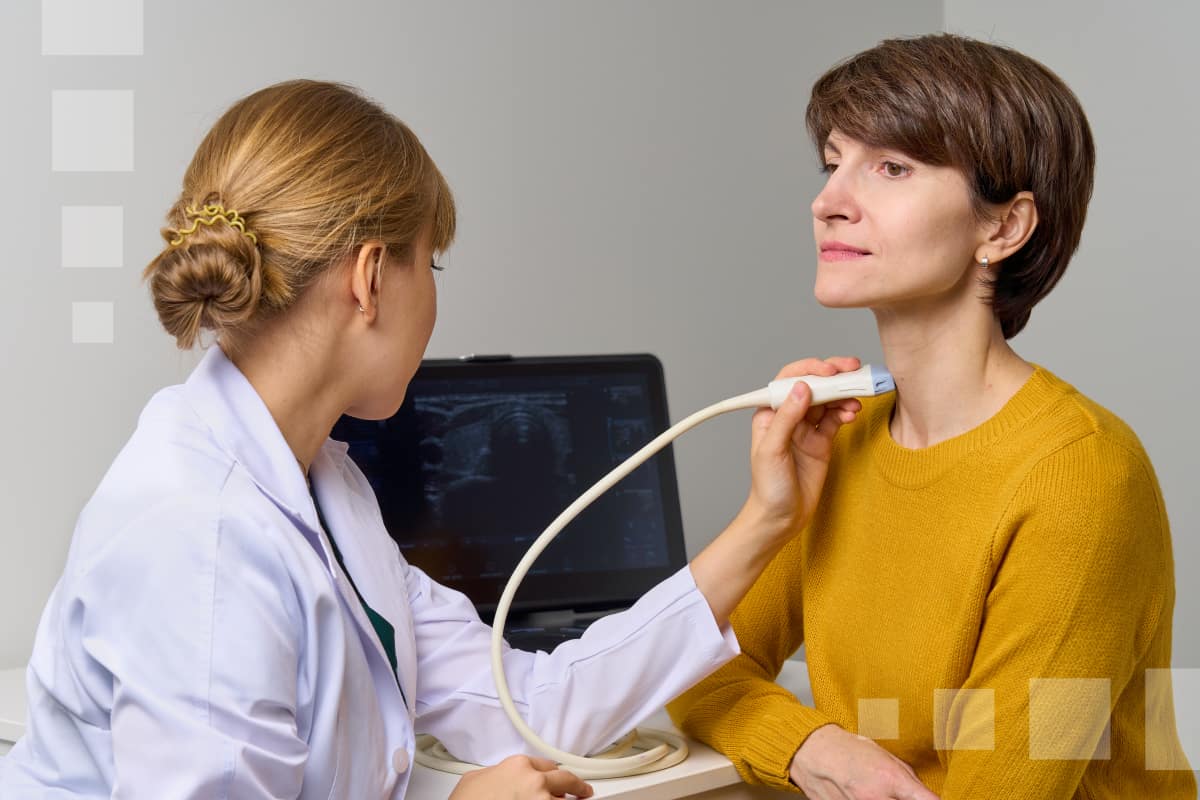
Cervical (carotid) artery dissection (CAD) is a rupture of a layer of the artery wall, in which blood begins to seep and spread between the layers. It is responsible for 20% of ischemic strokes in adults diagnosis under 45 years old, accounting for 2% of all IS. CAD is rare – the frequency of dissection…

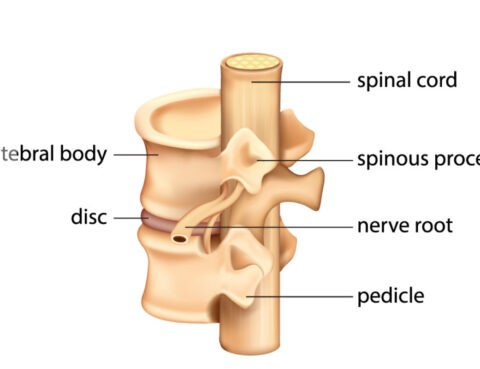
An intervertebral hernia is often the reason for headache and hand insensitivity. It causes compression of the spinal nerve roots at their exit from the cervical disc; you feel pain and irritation or compression of the corresponding nerve fibers. As a rule, these changes are accompanied by muscle spasms, edema, inflammation, and impaired vascular circulation…

In the tangled landscape of spinal health, cervical disc herniation is a common yet challenging player. It affects the delicate balance of our neck’s well-being. Located in the cervical spine, this condition gradually disrupts harmony. Much to our regret, this problem causes various symptoms that require our attention. Understanding the nuances of its symptoms and…

Obstructive Sleep Apnea Syndrome (OSA) is a condition when during sleep a respiratory arrest occurs, after which the sleeping person snores loudly, sometimes tossing and turning, and then starts breathing again. In patients at risk of developing OSA, the nasopharynx and/or oropharynx partially or completely overlaps during sleep. Obstructive sleep apnea occurs when breathing decreases,…