

Many people get through their day without much trouble, only to find that their feet begin to sting or burn the moment they lie down. This sensation of burning feet at night is a common complaint in neurology clinics. It’s easy to blame a long day of walking or poor circulation, but the truth is…
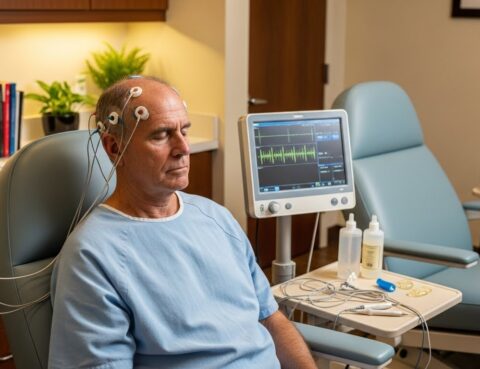
Many people experience specific medical problems accompanied by various symptoms. Researching diagnostic procedures helps identify the underlying condition and reduces anxiety. Today, EEG and EMG examinations are becoming increasingly common. However, many people don’t know what to expect or how to properly prepare. Understanding how to prepare for an EEG helps ensure the most accurate…

Winter brings beautiful snowy landscapes and cozy moments, but it also brings unexpected health challenges. Many people experience dizziness in winter, a common phenomenon that’s often underestimated or dismissed as nothing serious. In reality, these symptoms can signal issues with your inner ear function or blood vessel circulation that deserve attention. It’s important to understand…

Watching a loved one’s memory fade feels like losing pieces of someone you love. First, it’s the small things – misplaced keys, forgotten appointments, the name of that restaurant you both loved. Then the gaps grow wider. Confusion replaces conversation. The person you know becomes harder to reach. If you’re noticing these changes in someone…

Peripheral neuropathy affects millions of Americans, causing nerve damage that significantly impacts daily life. When nerves in the feet become damaged, sensation diminishes or becomes distorted, making each step unpredictable. This loss of feeling dramatically increases the risk of numb feet and fall risk for serious injuries. For people with diabetic neuropathy, these risks are…
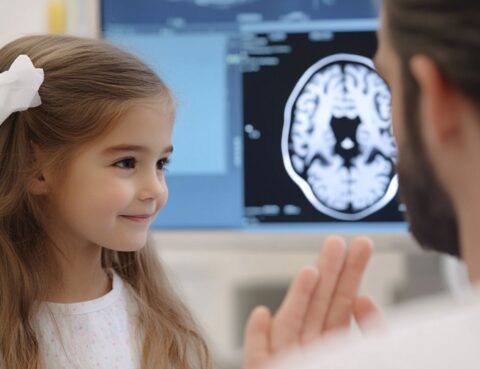
As parents, we are hardwired to worry. Every fever, scrape, or stumble can send our minds racing. But when it comes to a child’s development and nervous system, distinguishing between regular growing pains and a medical concern can be difficult. While pediatricians are fantastic at handling general health, there are times when a child needs…
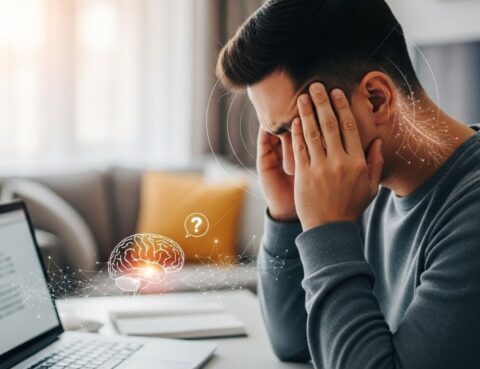
Over the last few years, the way we work has changed, typically faster than our bodies can adapt. We traded long commutes for the convenience of the home office, but for many, that “office” is a kitchen table, a soft couch, or a desk that isn’t quite the right height. At Lone Star Neurology, we…

Most people have experienced tingling and numbness at some point. Leaning on your hand for too long might cause it to go to sleep. After sitting cross-legged, your feet tingle. Most of the time, the feeling goes away quickly and isn’t a concern. But tingling that occurs frequently, lasts longer than expected, or appears for…
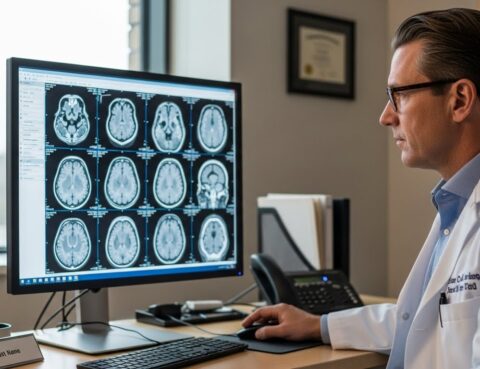
When neurologic symptoms appear, many patients aren’t sure what to expect next. Your primary care doctor might mention imaging, a friend might talk about getting an EEG test, and online searches often create more confusion than clarity. Patients frequently ask which brain scan they need and why one test is chosen over another. The choice…
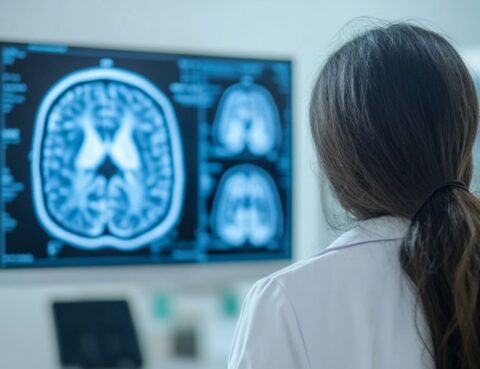
When something suddenly feels wrong with your brain or nervous system, panic can set in quickly. Your vision blurs, your head throbs with unprecedented intensity, you feel numbness spreading through your limbs, or you experience confusion that wasn’t there an hour ago. In that moment of fear, one critical question dominates: where should you go…