

Multiple sclerosis is a complex neurological disease that affects the central nervous system. For many patients, it means dealing with unpredictable symptoms, gradual changes in physical ability, and an ongoing need for medical support. The good news is that progress in multiple sclerosis treatment has accelerated significantly in recent years. New therapies, better monitoring tools, and a deeper understanding of how the disease works are giving patients more options and better outcomes than ever before.
This article covers the latest advances – what’s new, what’s coming, and what it means for people living with MS.
Understanding Multiple Sclerosis and Its Challenges
MS is a chronic autoimmune disease. The immune system mistakenly attacks myelin – the protective coating around nerve fibers – which disrupts the signals the brain sends to the rest of the body. Symptoms vary widely from person to person. Some people experience fatigue and muscle weakness. Others deal with coordination problems, vision disturbances, or cognitive changes. For many, the disease fluctuates – better at times, worse at others.
That variability is one of MS’s biggest challenges. There’s no single symptom profile, which means there’s no single treatment that works for everyone. Good multiple sclerosis care has to account for the individual – the specific type of MS, how it’s progressing, which symptoms are most disruptive, and the person’s overall health.
Patients also face challenges beyond the purely physical. Adjusting to mobility changes, managing a chronic condition long-term, and maintaining mental health are all part of the picture. Good care addresses all of these, not just the neurological side.
Key things to understand about MS:
- Symptoms range from fatigue and weakness to cognitive difficulties and vision problems
- The course of the disease differs from patient to patient
- Management requires individualized treatment and support plans
- Ongoing research is continuously improving available therapies
Breakthroughs in MS Therapies: What’s New?
The pace of development in MS therapies has picked up considerably. Where treatment once focused mainly on slowing progression and managing symptoms, newer approaches are doing more – targeting the immune system with greater precision, reducing side effects, and in some cases supporting the repair of nerve tissue. Patients today have access to a wider range of MS therapies than any previous generation, and the options continue to grow.
One of the biggest shifts is toward personalization. Rather than applying a standard protocol, doctors can now factor in a patient’s genetics, disease course, and biological markers to choose the MS therapies most likely to work for them specifically. This reduces trial-and-error and gets patients to effective treatment faster.
Drug delivery has also improved. New formulations make it easier for medications to reach the right targets in the nervous system. Researchers are also working on methods to support nerve cell regeneration – not just stopping damage, but potentially helping the body repair it.
Other notable developments in MS therapies:
- New medications with stronger evidence of effectiveness and better safety profiles
- Active clinical trials exploring next-generation targets
- Modern symptom-monitoring systems that give clinicians better real-time data
- Combination approaches that integrate drug treatment with rehabilitation and lifestyle support
For patients, these advances translate to better symptom control, fewer side effects, and more confidence in the long-term management of their condition.
Neurological Advancements Shaping MS Treatment
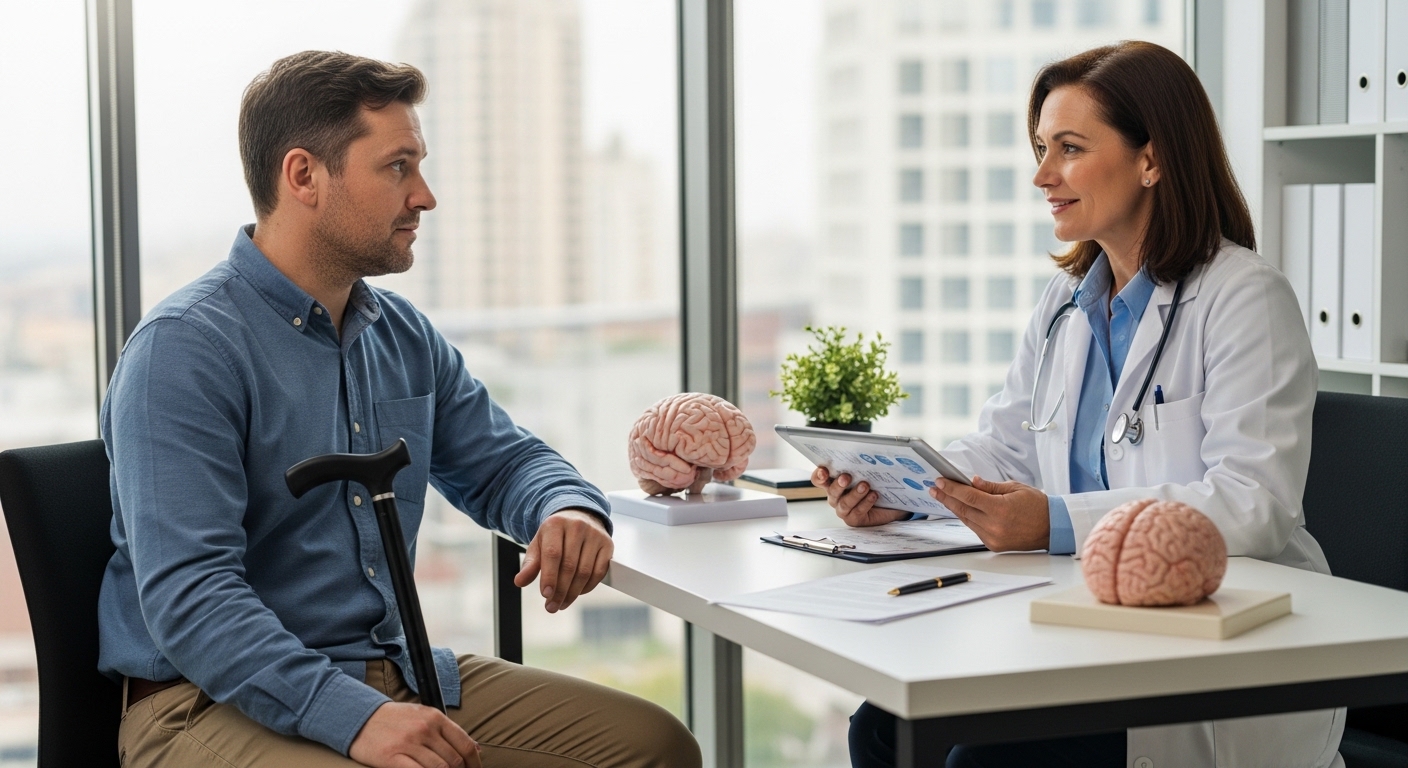
Neurological advancements in recent years have fundamentally changed how doctors understand and treat MS. Three areas stand out: neuroimmunology, neuroplasticity, and nerve repair.
Neuroimmunology has led to a new generation of targeted immunotherapies. These drugs work by interrupting the specific immune processes that attack myelin, rather than broadly suppressing the immune system. The result is better disease control with a reduced risk of side effects.
Neuroplasticity – the brain’s ability to adapt and form new neural connections – has become a key concept in MS management. Understanding how the nervous system compensates for damage has opened up new rehabilitation strategies that actively support the brain’s natural repair processes. This is now being built into comprehensive multiple sclerosis treatment plans alongside drug therapy.
Methods for stimulating nerve tissue regeneration are still developing, but early results are promising. The goal is not just to slow the loss of function, but to help the nervous system restore some of the damage.
Neurological advancements in monitoring are also making a difference. New imaging and tracking technologies allow clinicians to detect disease activity earlier and adjust treatment before significant damage occurs. This proactive approach improves long-term outcomes and supports better-informed decisions at every stage of care.
The Role of MS Research in Shaping Future Therapies
MS research is the engine driving all of these advances. Clinical trials and scientific discoveries are moving the field away from one-size-fits-all treatment toward genuinely personalized approaches. Researchers are identifying new therapeutic targets – specific biological mechanisms that, when addressed, can slow or stop disease progression more effectively than earlier methods.
Data from large-scale trials show that newer treatments don’t just control symptoms – they can actually prevent further nerve damage in many patients. That’s a meaningful shift in what multiple sclerosis treatment can realistically achieve.
Research is also improving doctors’ ability to predict disease course. Better predictive models mean earlier, more targeted intervention. Patients get the right treatment sooner, which makes a real difference in how the disease progresses over time.
The connection between research findings and practical clinical care is getting tighter. Discoveries move from the lab to the clinic faster than they used to, and patients benefit. Where it once took a decade for a research breakthrough to reach standard clinical practice, that timeline is shrinking – meaning today’s patients have access to treatments that would have been experimental just a few years ago.
Patient-Centered Care in Multiple Sclerosis Management
Modern multiple sclerosis care puts the patient at the center of every decision. That sounds obvious, but it represents a real shift from older models where treatment plans were more standardized and less responsive to individual experience. What works well for one person with MS may not work at all for another – and good care reflects that.
Today, good multiple sclerosis care combines medical treatment with support for the whole person. Physical therapy helps maintain mobility and reduce the impact of symptoms on daily life. Psychological support addresses the emotional weight of living with a chronic condition. Lifestyle guidance – around exercise, sleep, stress management, and nutrition – complements what medications can do.
Patients who are actively involved in their own care tend to do better. When people understand their condition, know what to watch for, and feel genuinely supported by their care team, they’re more likely to stick with treatment plans and report problems early.
What patient-centered multiple sclerosis care includes in practice:
- Individualized treatment plans that adapt as the disease changes
- Physical therapy and rehabilitation tailored to the patient’s current abilities
- Psychological support involving both specialists and personal support networks
- Regular contact with the medical team to adjust treatment as needed
- Practical help adapting daily habits to maintain health and independence
Navigating the Future of MS Treatment and Care
The future of neurological care for MS is shaped by the convergence of several promising developments: better drugs, smarter monitoring, genetic insights, and technology-assisted care delivery.
Telemedicine has already changed access to specialist care for many patients, especially those in areas with fewer local resources. AI-assisted monitoring tools are being developed that can track symptom patterns, flag changes, and help clinicians make earlier, better-informed decisions. These tools don’t replace clinical judgment – they support it.
Genetic research is one of the most exciting frontiers. As researchers learn more about the genetic factors that influence how MS develops and progresses, they’re laying the foundation for treatments targeted to specific disease mechanisms. This means fewer side effects, more effective outcomes, and treatment plans that fit each patient far more precisely than what’s currently possible.
Future neurological care for MS will also be more continuous. Rather than a series of discrete clinical appointments, care is moving toward ongoing monitoring and dynamic adjustment – catching problems earlier and responding faster. That kind of responsiveness is only possible with the right combination of technology, data, and clinical expertise.
What the future of multiple sclerosis care looks like:
- New classes of drugs targeting specific immune and neural mechanisms
- Genetic profiling to guide treatment selection
- AI tools for real-time monitoring and outcome prediction
- Telemedicine is expanding access to high-quality care
- Long-term focus on quality of life, not just disease control
The trajectory is positive. Each year, available treatment options improve – and patients with MS have more reason to feel optimistic about their long-term outlook than at any previous point in the history of this disease.

 (120 votes, average: 4.63 out of 5)
 Loading...






I've given up... the stress her office staff has put me through is just not worth it. You can do so much better, please clean house, either change out your office staff, or find a way for them to be more efficient please. You have to do something. This is not how you want to run your practice. It leaves a very bad impression on your business.
Please, leave your review
Write a comment: