The human brain remains one of the most complex and least understood structures in the known universe. With roughly 86 billion neurons forming trillions of connections, it governs everything from our heartbeat to our ability to feel joy, solve problems, and form memories. For decades, neurological conditions such as Alzheimer’s disease, Parkinson’s, epilepsy, and multiple sclerosis have posed enormous challenges to the medical community – not just scientifically, but emotionally and economically for millions of families worldwide.
Yet today, the landscape is shifting. Neurology advancements in recent years have accelerated at a pace that would have seemed impossible just two decades ago. Driven by breakthroughs in genomics, artificial intelligence, and imaging technology, researchers and clinicians are gaining an unprecedented understanding of how the brain works – and, crucially, how it fails. Global investment in neurological research has surged, with governments, universities, and private biotech companies committing billions of dollars to unlocking the mysteries of the nervous system.
This article explores the most exciting neurological research breakthroughs shaping medicine today – from revolutionary therapies and cutting-edge neurotechnologies to the innovations moving from laboratory benches into real clinical settings. The future of brain health has never looked more promising.
Breakthroughs in Brain Disorder Treatments
For much of the 20th century, treating neurological diseases meant managing symptoms rather than addressing root causes. That is changing rapidly. A new generation of brain disorder treatments is targeting the underlying biology of disease with remarkable precision.
- Alzheimer’s Disease. Perhaps the most headline-grabbing development has been the FDA approval of lecanemab (brand name Leqembi) and donanemab – monoclonal antibody therapies that target and clear amyloid plaques from the brain. For the first time, clinical trials demonstrated a meaningful slowing of cognitive decline in early-stage Alzheimer’s patients. While not a cure, these treatments represent a fundamental shift: the disease can now be intercepted at a biological level.
- Parkinson’s Disease. Focused Ultrasound therapy has emerged as a non-invasive, incision-free option for patients with tremor-dominant Parkinson’s. By directing ultrasound waves with pinpoint accuracy deep into the brain, clinicians can disrupt abnormal neural circuits without surgery. Meanwhile, gene therapy trials are showing early promise in restoring dopamine production – the key neurotransmitter lost in Parkinson’s.
- Epilepsy. New antiseizure medications with novel mechanisms of action – including cenobamate – are demonstrating seizure freedom in patients who previously had drug-resistant epilepsy. Additionally, responsive neurostimulation (RNS) devices can now detect abnormal electrical activity in real time and deliver targeted stimulation to prevent a seizure before it occurs.
Neurological Disease Therapies: Progress and Challenges
The pipeline of neurological disease therapies is more robust than at any point in medical history. Hundreds of clinical trials are underway across conditions ranging from ALS and multiple sclerosis to migraine and traumatic brain injury.
Some of the most notable areas of progress include:
- Immunotherapy for MS. Ocrelizumab and ofatumumab, which target B-cells involved in the inflammatory cascade, have significantly slowed disability progression in relapsing and primary progressive MS.
- RNA-based therapies. Antisense oligonucleotides (ASOs) can now “silence” specific genes responsible for conditions like spinal muscular atrophy (SMA), with nusinersen offering dramatic improvements in children who would previously have faced severe disability.
- Migraine prevention. CGRP inhibitors – a class developed specifically through neurological research – have transformed migraine prevention for chronic sufferers who failed older medications.
Despite these hurdles, the momentum behind neurological disease therapies is undeniable. The combination of better biomarkers, improved patient stratification, and smarter trial design is steadily overcoming these obstacles.
Neurotechnology: Revolutionizing Brain Health
If therapies are changing what we can treat, neurotechnology is transforming how we understand, monitor, and interact with the brain itself. The term encompasses a broad range of tools – from brain-computer interfaces and implantable devices to AI-powered diagnostics and digital health platforms.
Key neurotechnological developments include:
- Brain-Computer Interfaces (BCIs). Companies like Neuralink, Synchron, and BrainGate are developing implantable devices that enable paralyzed patients to control computers and robotic limbs, or even communicate directly through thought. In 2024, the first human recipients of these devices demonstrated the ability to type and navigate screens solely with neural signals.
- AI in Neuroimaging. Machine learning algorithms can now analyze MRI and CT scans to detect early signs of Alzheimer’s, stroke, or brain tumors with accuracy that rivals – and in some cases exceeds – experienced radiologists. Early detection is critical: the sooner a neurological condition is identified, the more treatment options are available.
- Wearable EEG Devices. Consumer and clinical-grade wearables now allow continuous monitoring of brain activity outside hospital settings, enabling better epilepsy management, sleep disorder analysis, and even mental health monitoring.
- Digital Therapeutics. Software-based interventions, including cognitive training programs and VR-based rehabilitation tools, are being prescribed as standalone or adjunct therapies for cognitive decline, stroke recovery, and chronic pain.
Neurotechnology is not just about augmenting existing care – in many cases, it enables treatments that were previously impossible.
How Neurological Research Is Shaping the Future
The most transformative neurological research breakthroughs are often not a single discovery but rather the convergence of multiple scientific disciplines at the same frontier.
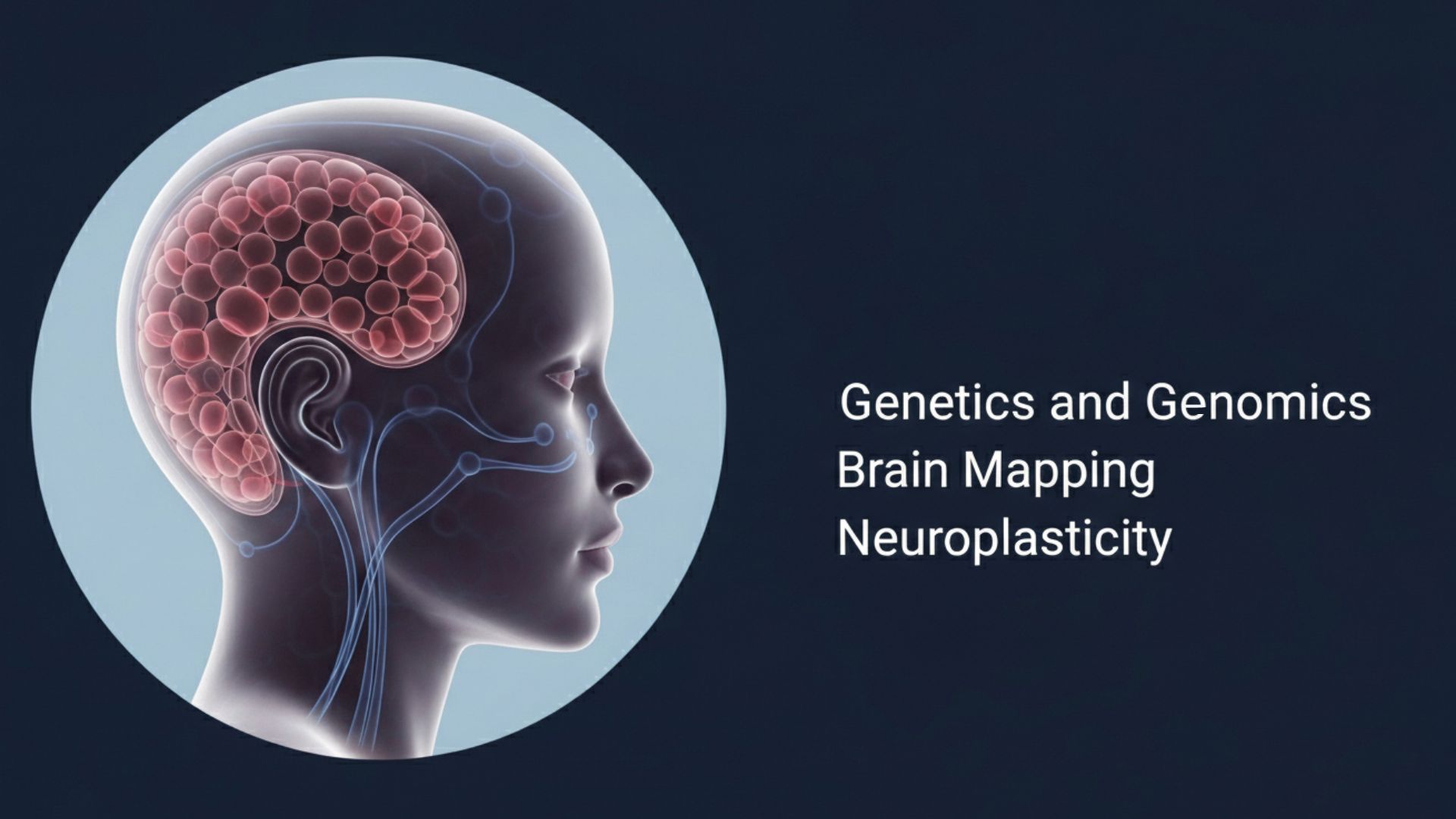
- Genetics and Genomics. The identification of genetic risk factors for neurological disease has opened entirely new avenues for prevention and targeted therapy. APOE4, for instance, is now well-established as a major genetic risk factor for Alzheimer’s, and pharmaceutical companies are developing therapies specifically for APOE4 carriers. CRISPR gene editing, while still in early stages for neurological applications, holds the potential to correct genetic mutations that cause hereditary neurological conditions before symptoms ever develop.
- Brain Mapping. Projects such as the NIH’s BRAIN Initiative and the Human Connectome Project have generated extraordinary maps of neural circuits at the cellular level. Understanding precisely how different regions of the brain communicate – and how those communications break down in disease – is providing researchers with specific targets for intervention.
- Neuroplasticity. Perhaps one of the most hopeful areas of neurology advancements is the growing understanding of neuroplasticity – the brain’s ability to reorganize and form new neural connections throughout life. Rehabilitation strategies leveraging neuroplasticity are improving outcomes after stroke, traumatic brain injury, and even in conditions like depression. Transcranial magnetic stimulation (TMS) and transcranial direct current stimulation (tDCS) are non-invasive tools that can modulate neuroplasticity to therapeutic effect.
Together, these research directions are not just treating existing conditions – they are building a new foundational understanding of the brain that will underpin medicine for generations to come.
Brain Health Innovations: From Lab to Clinical Application
One of the most encouraging stories in modern neurology is how quickly brain health innovations are advancing from laboratory research to genuine clinical benefit. Historically, this translation process could take 20 years or more. Today, accelerated regulatory pathways, improved biomarker validation, and adaptive clinical trial designs are significantly compressing that timeline.
- Personalized Medicine. Neurological care is increasingly moving away from one-size-fits-all protocols and toward individualized treatment plans guided by a patient’s genetic profile, biomarker status, and even their microbiome. Liquid biopsy – detecting biomarkers such as phosphorylated tau and neurofilament light chain in blood – is enabling the diagnosis and monitoring of Alzheimer’s and other conditions with a simple blood draw rather than an invasive lumbar puncture.
- Brain Stimulation Techniques. Deep Brain Stimulation (DBS), long established for Parkinson’s, is now being explored for treatment-resistant depression, OCD, Alzheimer’s, and even obesity. Next-generation DBS systems are “adaptive” – they sense brain activity in real time and automatically adjust stimulation, much like a pacemaker adjusts heart rate.
- Regenerative Medicine. Stem cell therapies are progressing through clinical trials for conditions including ALS, spinal cord injury, and stroke. Early results in some trials suggest that transplanted cells can survive, integrate into neural circuits, and partially restore function – results that were considered science fiction a decade ago.
These brain health innovations are no longer confined to research institutions. At LoneStar Neurology, patients across Texas have access to the latest evidence-based treatments, with a team of board-certified specialists who stay at the forefront of emerging science – translating research breakthroughs into real, personalized care.
The Future of Neurology: What’s Next?
Looking ahead, the next decade promises to be the most consequential in the history of neurological medicine. Several converging trends will define this era:
- Preventive Neurology. Just as cardiology shifted toward prevention in the latter 20th century, neurology is heading in the same direction. Blood-based biomarker screening may soon enable the detection of Alzheimer’s pathology 15–20 years before symptoms appear, creating a window for truly preventive intervention.
- AI-Guided Treatment. Artificial intelligence will increasingly assist neurologists in diagnosis, drug selection, and prognosis – not replacing clinical judgment but augmenting it with pattern recognition at a scale no human physician can match alone.
- Closed-Loop Therapies. The next generation of neurostimulation devices will operate autonomously, continuously sensing brain states and delivering precisely calibrated interventions without physician input.
- Global Accessibility. As neurotechnology matures and costs fall, tools once available only in academic medical centers will become accessible in community clinics and even in developing nations, addressing the significant global inequality in neurological care.
The challenge ahead is not only scientific but also ethical, logistical, and economic. How do we ensure equitable access to these breakthroughs? How do we protect patient privacy as neural data becomes a new form of sensitive information? These are questions the field must confront alongside science.
What is certain is that the era of neurology advancements we are entering has the potential to reduce human suffering on a genuinely historic scale. For patients living with neurological conditions today, access to a knowledgeable and compassionate care team makes all the difference – and that is precisely what LoneStar Neurology strives to provide across its 18 locations throughout Texas. The progress unfolding in research labs, clinical trials, and neurology clinics worldwide offers real and justified hope for generations to come.

 (141 votes, average: 4.85 out of 5)
 Loading...






I've given up... the stress her office staff has put me through is just not worth it. You can do so much better, please clean house, either change out your office staff, or find a way for them to be more efficient please. You have to do something. This is not how you want to run your practice. It leaves a very bad impression on your business.
Please, leave your review
Write a comment: