

Many people experience daily stress and exhaustion that can compromise their immune systems. Constant fatigue and depression can trigger neurological conditions, including reactivation of dormant viruses. One particularly common condition is shingles, a painful infection caused by reactivation of the varicella-zoster virus – the same virus that causes chickenpox. After recovering from chickenpox, the virus doesn’t disappear; it remains dormant in nerve tissue. Shingles prevention is essential for maintaining overall health and quality of life.
The virus can reactivate even decades after the initial chickenpox infection. When activated, it causes intense pain that can be exhausting and debilitating. Patients may notice characteristic rashes along with complications, including severe sleep disturbances. As a result, some people develop postherpetic neuralgia, a condition characterized by persistent nerve pain. This pain continues even after the rash disappears, making timely treatment crucial for relief.
Early diagnosis is vital for effectively managing this condition. Proper diagnosis helps clarify the problem and monitor potential chronic complications. This disease can significantly impact neurological health and reduce quality of life. Immune system support and regular medical supervision play significant roles in prevention and management. Today, postherpetic neuralgia treatment helps patients effectively manage symptoms. This approach helps prevent the long-term pain that can persist for months or years.
Understanding Shingles and Its Complications
Shingles manifests as a combination of neurological and dermatological symptoms. The presentation is distinctly different from other skin conditions. Anyone experiencing symptoms can contact Lone Star Neurology for expert evaluation and care. Shingles prevention plays a significant role in reducing pain and preventing complications. Shingles typically begin with burning or tingling sensations, followed by a characteristic blistering rash. The condition affects only one side of the body, causing severe burning pain along affected nerve pathways. Here are the main signs of shingles:
- Localized nerve pain. Pain occurs along the affected nerve distribution and may precede the rash by several days or weeks.
- Blistering rash. Fluid-filled blisters appear on the skin, eventually drying and forming crusts while causing burning sensations.
- Heightened skin sensitivity. Even a light touch can trigger severe pain and discomfort, significantly impacting daily activities and quality of life.
Postherpetic neuralgia treatment helps reduce symptoms and significantly improve patient outcomes. Currently, patients aged 50 or older face the highest risk. Those with weakened immune systems and chronic stress are also particularly susceptible. Postherpetic neuralgia remains the most common serious complication of shingles. This condition requires a comprehensive approach to diagnosis and therapeutic management. Early recognition and proper medical care are crucial for maintaining neurological health.
What Causes Shingles and Why Does It Reactivate
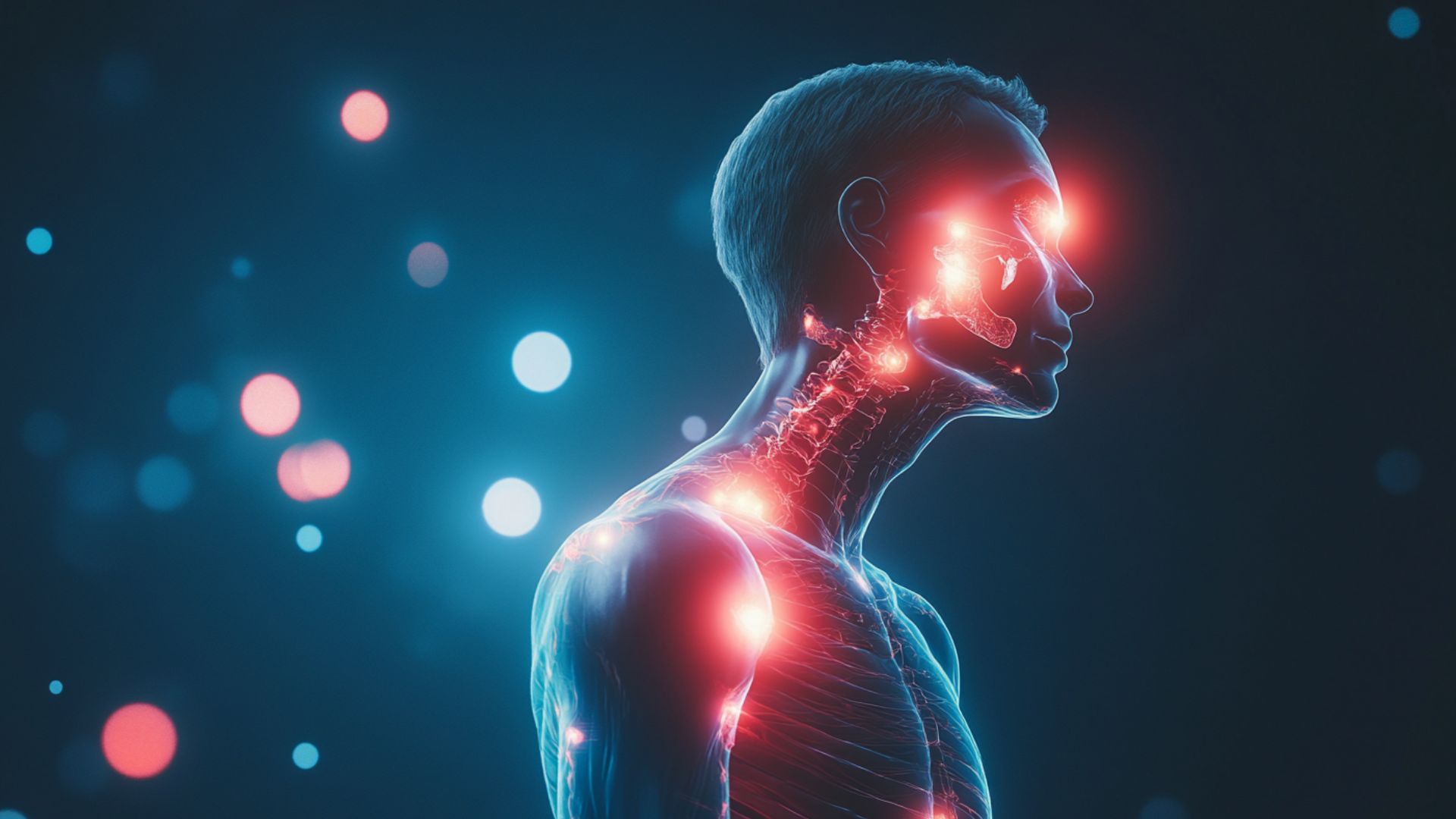
After recovering from chickenpox, the varicella-zoster virus remains in the body permanently. The virus stays dormant, residing in nerve cell bodies near the spinal cord. It may remain inactive for decades without causing any symptoms. However, certain conditions can trigger viral reactivation, leading to shingles. During reactivation, the virus travels along nerve fibers toward the skin. It causes inflammation and nerve damage along its path. This process explains the intense pain and increased risk of developing postherpetic neuralgia.
Proper diagnosis and treatment of postherpetic neuralgia help patients recover more effectively. A comprehensive therapeutic approach reduces the likelihood of severe disease progression. Taking correct preventive actions helps minimize prolonged recovery periods. Here are the main factors that trigger shingles reactivation:
- Age-related immune decline. As people age, their immune system defenses naturally weaken, creating conditions favorable for viral reactivation and painful outbreaks.
- Immunocompromised states. People with cancer, HIV/AIDS, or those taking immunosuppressive medications face significantly higher reactivation risk.
- Chronic stress and fatigue. Shingles prevention, when combined with stress management, helps minimize pain and discomfort. Chronic stress and exhaustion disrupt normal immune system regulation.
- Underlying medical conditions. Diabetes, autoimmune disorders, and chronic infections increase the risk of shingles reactivation.
Recognizing the Symptoms Early
Early symptom recognition is a key factor for successful treatment outcomes. Medical professionals focus all efforts on improving patients’ overall health and preventing complications. The disease often begins with neurological symptoms before any visible rash appears. These neurological symptoms cause significant discomfort and declining well-being. People often confuse these initial symptoms with other conditions. The first warning signs include:
- Tingling and burning sensations in a limited area of the body.
- Pain without visible skin changes that may resemble joint or muscle pain.
- Increased sensitivity where even light touch from hands or clothing becomes painful.
During this prodromal period, antiviral therapy for shingles should be initiated promptly. The characteristic rash typically appears within a few days, accompanied by intensifying pain. This early period is optimal for starting treatment to minimize complications. Early treatment shortens disease duration, reduces pain intensity, and significantly lowers the risk of developing postherpetic neuralgia. Combined with prevention strategies, early treatment minimizes complications and reduces the future need for chronic pain management.
Shingles Prevention: How to Lower Your Risk
Disease prevention is based on vaccination and immune system support. Modern research demonstrates that vaccination is the most effective protection against shingles. Vaccination helps minimize complications, especially the development of postherpetic neuralgia. The shingles vaccine remains the gold standard for prevention. The vaccine is recommended for all adults aged 50 and older. It’s also offered to younger people at increased risk, even if they’ve had shingles previously. The combination of vaccination and general preventive measures provides optimal protection. This process will reduce the likelihood of chronic pain and the need for nerve pain after shingles relief. Here are the key aspects of prevention:
- Vaccination. Vaccination remains the most effective way to prevent shingles and its complications. It dramatically reduces the need for ongoing treatment throughout life.
- Immune system support. Maintaining immunity includes eating a balanced diet rich in vitamins and minerals. Regular physical activity reduces the likelihood of illness. Managing chronic diseases under medical supervision also minimizes risk.
- Stress management. Stress reduction plays a significant role in disease prevention. Relaxation techniques, meditation, regular reading, and adequate sleep all contribute to effective prevention.
- Avoiding exposure. While shingles vaccine remains most effective, avoiding contact with people with active chickenpox or shingles helps protect unvaccinated or immunocompromised individuals.
Managing Acute Shingles Pain Effectively
When shingles develops, the primary goal is to reduce viral activity and control pain. The foundation of treatment is antiviral therapy, which offers multiple advantages. It suppresses viral replication and limits nerve damage. Antiviral therapy for shingles helps preserve long-term health and prevent complications. Timely treatment alleviates acute symptoms and reduces the likelihood of developing postherpetic neuralgia. Combined with prevention and vaccination, this creates an effective, comprehensive strategy. Each patient can protect their nervous system and minimize serious long-term consequences. Here are the main treatment approaches:
- Antiviral medications. Physicians prescribe antiviral drugs like acyclovir, famciclovir, or valacyclovir to reduce symptom severity and duration.
- Pain management. Antiviral therapy is combined with pain relievers, including NSAIDs (nonsteroidal anti-inflammatory drugs). In severe cases, a short course of corticosteroids may be prescribed to reduce inflammation.
- Topical treatments. Lidocaine creams or patches applied directly to affected areas reduce localized pain. Cooling compresses also help minimize discomfort and burning sensations.
- Medical supervision. Consultation with a neurologist is essential for severe or prolonged pain. Specialists can prescribe appropriate techniques for comprehensive pain management.
Postherpetic Neuralgia Treatment and Long-Term Pain Relief
Postherpetic neuralgia is a debilitating form of chronic neuropathic pain. It persists for months or even years after the acute shingles infection resolves. Effective postherpetic neuralgia treatment requires an integrated, multimodal approach. Treatment aims to reduce nerve hypersensitivity and restore quality of life. The primary treatment methods include:
- Pharmacological therapy. For severe cases, physicians may prescribe tricyclic antidepressants, anticonvulsants like gabapentin or pregabalin, or other neuropathic pain medications.
- Topical treatments. Lidocaine patches or capsaicin cream applied to affected areas reduce pain for extended periods and improve daily functioning.
- Interventional procedures. For refractory cases, nerve blocks or spinal cord stimulation may be recommended based on individual patient needs.
- Physical and complementary therapies. Gentle rehabilitation, acupuncture, or transcutaneous electrical nerve stimulation (TENS) may provide additional relief.
For effective relief from nerve pain after shingles, it’s crucial to avoid pain triggers. Patients who maintain consistent sleep schedules, manage stress effectively, and follow treatment plans see better outcomes. The right therapeutic approach creates favorable conditions for recovery. Early therapy combined with vaccination significantly reduces the risk of long-term pain. Modern treatment methods are specifically designed for both acute management and long-term prevention. With proper care, patients can regain control over their daily lives and maintain their quality of life. Taking proactive steps today leads to better health outcomes tomorrow.

 (143 votes, average: 4.53 out of 5)
 Loading...






I've given up... the stress her office staff has put me through is just not worth it. You can do so much better, please clean house, either change out your office staff, or find a way for them to be more efficient please. You have to do something. This is not how you want to run your practice. It leaves a very bad impression on your business.
Please, leave your review
Write a comment: