

Headaches are relatively common today. Many people experience headaches accompanied by unpleasant symptoms – dizziness, feeling unwell – which often mislead patients. But in practice, vertigo with headache is typically caused by a neurological rather than an ear-related mechanism. This is where confusion between vestibular migraine and ordinary dizziness begins. Patients often treat what they…

The beginning of a new year brings fresh goals and exciting opportunities. However, returning to your usual routine after the holiday season can be surprisingly difficult. During this transition period, anxiety levels spike, and headache complaints soar. Many people experience pressing pain in their temples and tension radiating from the base of their skull. January…
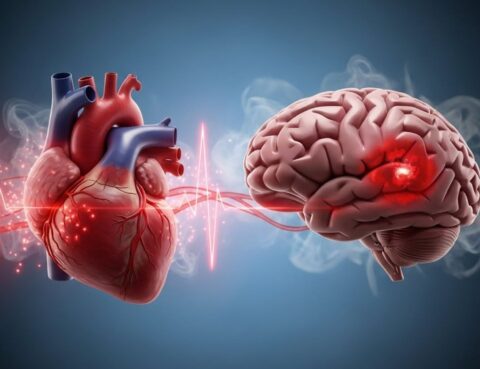
When you walk into a neurologist’s office, you expect us to ask about your head. We ask about headaches, dizziness, or memory. So, it often surprises patients when one of our first questions is, “How is your heart rhythm?” The reality is that the heart and the brain are intimately connected. Your heart is the…
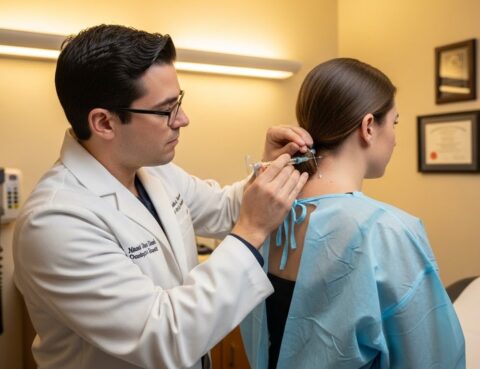
Millions of Americans struggle with chronic pain conditions, particularly debilitating headaches. While headaches are common and often dismissed as normal occurrences, they can range from stress-related tension to symptoms of serious neurological diseases. Causes vary widely, from overwork and stress to underlying medical conditions. When conventional treatments fail, many neurologists recommend nerve blocks for headaches….
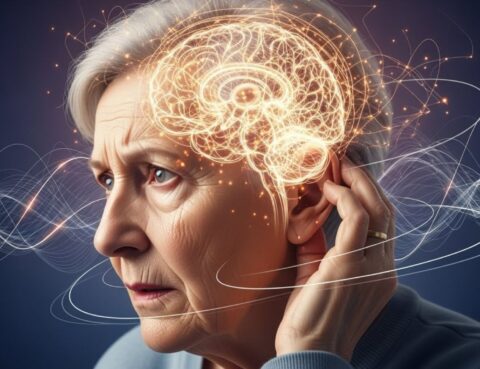
When the world starts spinning, or the ground feels like it is shifting beneath your feet, the first assumption is almost always the same: “It must be an inner ear infection.” While inner ear issues are common, they are far from the only explanation. At Lone Star Neurology, we frequently see patients who have been…

Many patients aren’t sure which doctor to see when symptoms point to the brain or spine. Headaches, numbness, weakness, back pain, or memory changes can be frightening, especially when you don’t know which specialist can help. One of the most common questions is whether you need a neurologist or a neurosurgeon. The confusion makes sense…

Head injuries in elderly adults are never something to brush aside. What might look like a minor bump or brief fall can turn into a serious medical problem days later. Aging changes the brain, blood vessels, and recovery process in ways that make seniors far more vulnerable to complications after head trauma. Families often assume…

Chronic neck pain and chronic back pain are among the most common reasons people seek medical care. Many patients are told their discomfort comes from muscle strain, poor posture, or age-related wear and tear. While those factors can certainly play a role, they don’t explain every case. Pain that lasts for months, keeps coming back,…
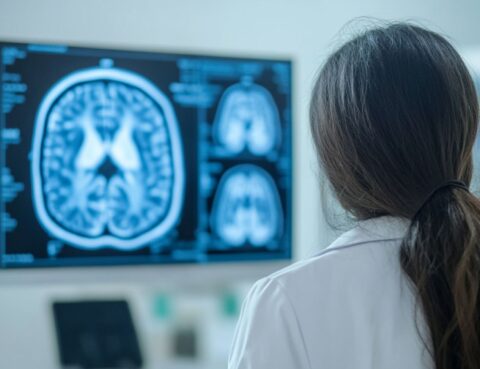
Walking into a neurologist’s office for the first time can feel intimidating. You might be dealing with unexplained headaches, numbness, seizures, memory problems, or other concerning symptoms that have brought you here. The uncertainty of not knowing what’s wrong, combined with anxiety about the appointment itself, is completely normal. But here’s the good news: knowing…

Losing your balance or falling can be frightening, especially when it happens repeatedly. While occasional clumsiness is normal, frequent falls seen in neurology practice often point to underlying conditions affecting the nervous system. Balance problems aren’t just about getting older – they’re frequently warning signs that something deeper needs attention. Many people dismiss balance problems…