

Sleep problems affect millions of Americans, with snoring and sleep apnea among the most common yet underrecognized conditions. Medical professionals increasingly recognize these as serious neurological disorders that can cause significant discomfort and increase cardiovascular disease risk. The long-term effects of untreated conditions profoundly impact snoring and brain health. During sleep, breathing may stop for…

Getting back behind the wheel after a stroke or seizure is a major milestone in recovery. But it’s not just about feeling ready – it’s about being medically safe and legally cleared. Every year, thousands of people face this challenging situation, wondering when they can return to their normal driving routine. The answer isn’t simple,…

Millions of Americans suffer from chronic headaches that significantly impact their quality of life, health, and sleep. While headaches can stem from various causes, cervicogenic headache – a secondary type of headache – remains particularly underdiagnosed and misunderstood. Unlike primary headaches, it doesn’t originate in the brain but in structures of the neck, yet it’s…

Many people experience daily stress and exhaustion that can compromise their immune systems. Constant fatigue and depression can trigger neurological conditions, including reactivation of dormant viruses. One particularly common condition is shingles, a painful infection caused by reactivation of the varicella-zoster virus – the same virus that causes chickenpox. After recovering from chickenpox, the virus…

Sometimes a serious medical emergency threatens a person’s health and life. Understanding strokes and TIAs (mini-strokes) is essential for maintaining good health. Even a brief disruption of blood supply to the brain can cause serious harm. Understanding the difference between a TIA and a stroke is crucial for everyone. These are medical terms for two…

Botulinum toxin is a remarkable substance with powerful therapeutic effects used to treat a variety of conditions. In cervical dystonia, the head twists, tilts, or pulls forward or backward involuntarily. These spasms cause constant pain, abnormal posture, headaches, and tremors. Simple tasks like driving, reading, working, or even sleeping become difficult or impossible. Many patients…

The room starts spinning, your heart pounds against your ribs. Your vision narrows to a tunnel as you grab onto the nearest surface, trying to stay upright. This isn’t dramatic exaggeration – it’s the daily reality for people with postural orthostatic tachycardia syndrome. POTS belongs to a family of autonomic nervous system disorders that sabotage…
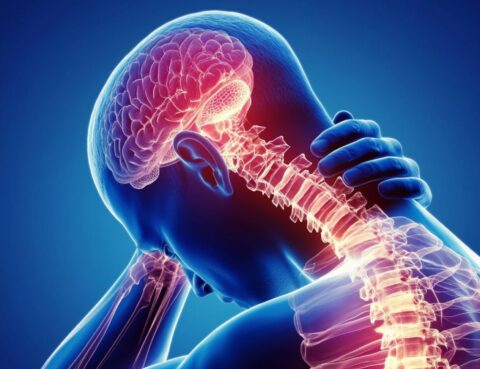
Some patients experience partial migraines or headaches that they may attribute to weather sensitivity, increased workload, or general fatigue that builds up over long days without rest. Without treatment, the problem can worsen significantly. Patients typically report that the pain begins on one side of the neck or at the base of the skull and…

Long COVID, also known as post-acute sequelae of SARS-CoV-2 infection (PASC), is characterized by persistent symptoms extending beyond the acute phase of COVID-19. This condition affects up to 30% of survivors, including those who experienced only mild initial illness. The nervous system is particularly vulnerable, with neurological complications reported in 10-20% of cases. SARS-CoV-2 can…

Diabetes is a serious condition that can lead to permanent damage and many complications. Over time, nerve damage affects up to 50% of people with diabetes. This condition, called diabetic neuropathy, happens when blood sugar stays high for too long. It mainly affects the feet and hands. Symptoms include numbness, tingling, burning pain, foot ulcers,…