

Sleep is vital for maintaining optimal brain health. During rest, the brain restores cognitive functions and clears harmful toxins that accumulate throughout the day. Deep sleep activates the glymphatic system, which flushes out damaging proteins like beta-amyloid, a substance linked to Alzheimer’s disease development. When sleep quality suffers, this crucial cleaning process becomes disrupted, impairing…
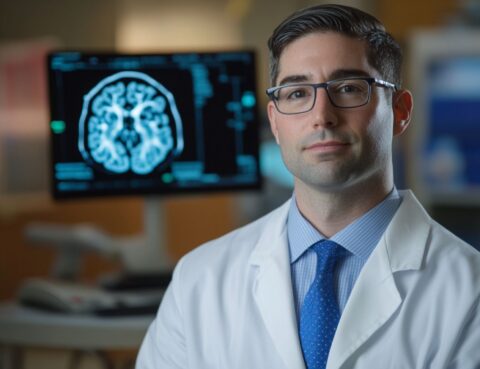
Neurology is a medical specialty focused on the nervous system, where neurologists diagnose and treat conditions affecting the brain, spinal cord, and nerves. Their work is vital because the nervous system controls every function in the body — from movement and coordination to memory and thought. When conditions like epilepsy, Parkinson’s disease, or stroke strike,…
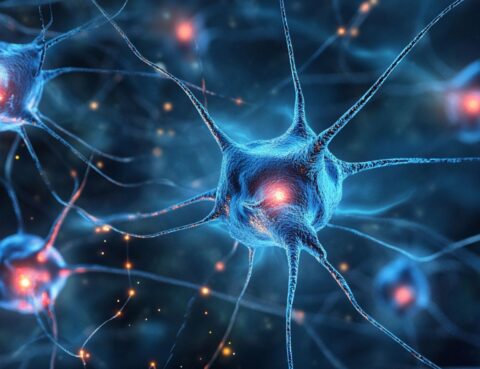
Stress is a universal experience that we all encounter in our daily lives. From workplace deadlines to financial worries, stress manifests in countless forms. While a little pressure can sometimes serve as good motivation, chronic or long-term stress can have a profoundly negative impact on our bodies and minds. Stress isn’t merely a feeling —…

Many different diseases can develop due to various health factors. However, certain conditions are strongly associated with genetic inheritance. Genetics plays a crucial role in many neurological diseases and disorders. Understanding neurological conditions and maintaining regular medical checkups helps ensure confidence in your health status. Genetics and neurological disorders have been recognized as interconnected for…

Picture this: you are a woman who has been suffering from headaches, fatigue, and memory problems for months. Doctors tell you it’s “just stress” or “women’s problems.” But what if it’s a serious neurological disease? Unfortunately, this situation occurs far too often. Neurological disorders women face unique diagnostic challenges. Medical science has long studied the…

Gratitude serves as a powerful tool that enhances and activates specific areas of the brain while improving emotional regulation, which directly influences our attitude and quality of life. Brain functionality can be affected by stress, life circumstances, and various health conditions, making gratitude brain function practices essential for healthy cognitive development. Every day, people encounter…

Functional neurological disorder (FND) is a complex condition that affects many people worldwide. This condition occurs when the brain has difficulty coordinating signals properly, causing various symptoms without structural brain damage. Functional neurological disorder symptoms vary widely and can affect movement, sensation, or cognitive function. Patients may experience tremors, seizures, weakness, or sensory loss that…

Naps can have both benefits and drawbacks for brain health. A quick nap may boost alertness, memory, and mood. Research shows short naps, around 20-30 minutes, improve mental performance. They help consolidate memories and sharpen focus, making them attractive to busy people seeking clearer thinking. Napping can also reduce stress and support emotional well-being. However,…

Lucid dreaming fundamentally changes brain function. Many people don’t understand how seriously this affects their mental health and cognitive functions. Imagine a state where your brain operates in two modes simultaneously. During normal sleep, it rests and recovers. With lucid dreams, it’s forced to maintain activity in areas responsible for self-awareness. Neurophysiologists and psychiatrists study…

Your DNA holds powerful secrets about your brain’s future health. Understanding your genetic background can be the difference between early detection and devastating surprise when it comes to neurological disorders. Many brain diseases that destroy lives and tear families apart have strong hereditary components that science is only beginning to fully understand. Genetic testing for…